
Overview
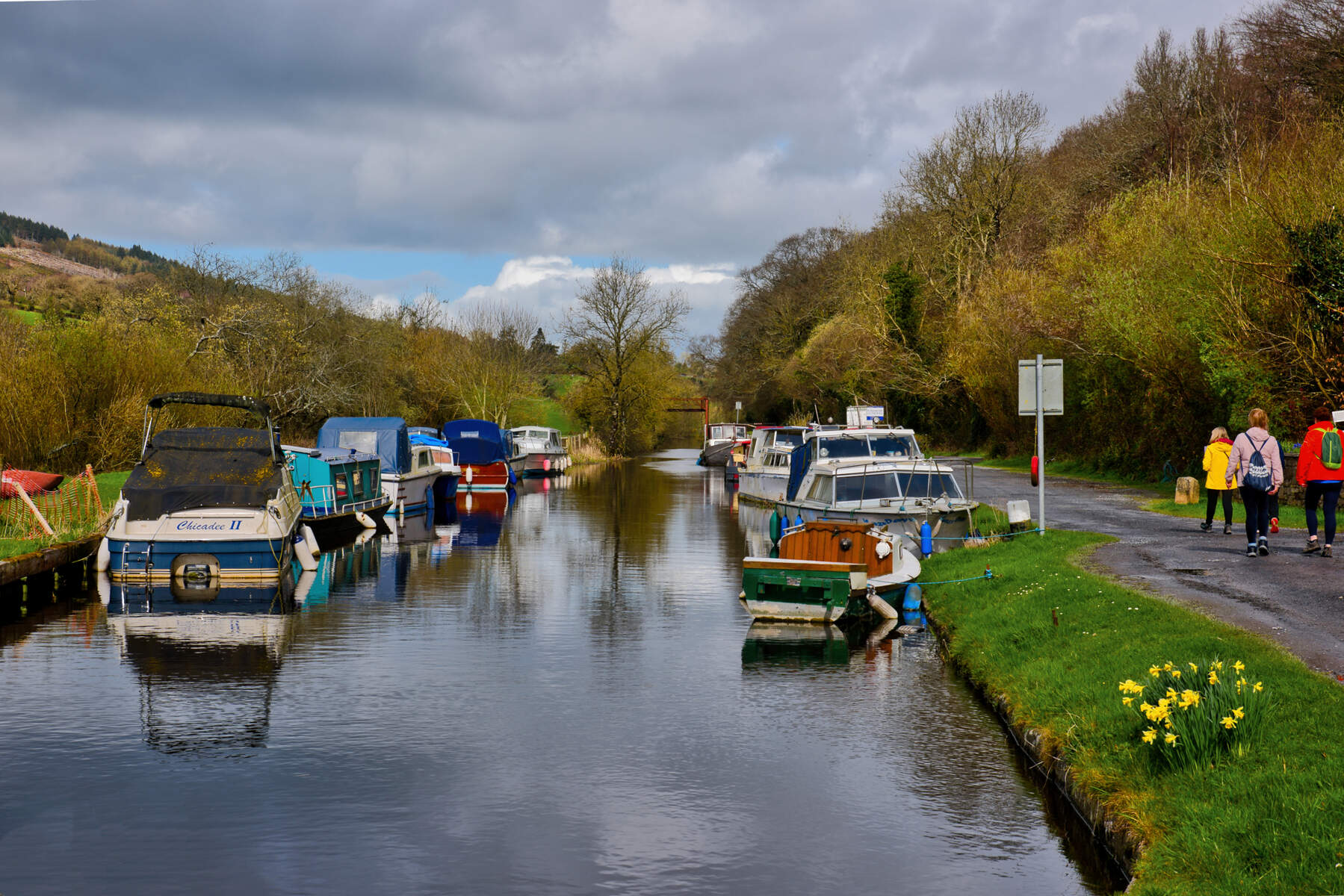
Toberona Bridge (locally called St John’s Bridge) is an elegant stone arch bridge built around 1840 to carry the local road across the Castletown River at Toberona, just on the outskirts of Dundalk in County Louth. The bridge is owned and maintained by Louth County Council and forms part of the historic network of crossings that link the town to the surrounding countryside. Its simple yet sturdy design – a single masonry arch – reflects the engineering practices of early‑Victorian Ireland, and the structure has remained in regular use for more than 180 years.
The bridge takes its name from the nearby St John’s Well, a small historic well that has long been a place of local pilgrimage. The well and the bridge together create a quiet riverside tableau that is especially photogenic in the soft light of sunrise or the golden glow of autumn.
History
The mid‑19th century was a period of rapid infrastructure development in Ireland, driven by the need to improve transport links for agriculture and industry. Toberona Bridge was erected circa 1840, a time when stone arch bridges were the preferred solution for crossing medium‑sized rivers. Its construction would have involved local stonemasons shaping limestone blocks to form the perfect curve of the arch, a technique that had been refined over centuries.
Although the bridge never achieved the fame of larger engineering feats such as the Boyne Viaduct, it has been an essential part of the Castletown River crossing network for generations. It sits alongside other historic bridges – Ballybinaby, Fords, Bellews (Coffin) and the modern M1 bridge – each telling a piece of the story of Louth’s evolving transport landscape.
Cultural Significance
Until the early 19th century the area around Toberona Bridge hosted an annual St John’s Day fair on 24 June. Poets, musicians and storytellers from Louth and neighbouring counties gathered beside the bridge and the well to perform. Contemporary accounts describe the event as a lively celebration of local folklore, though it eventually faded due to concerns over excessive drinking. The tradition lives on in the local saying “Tell it in Toberona”, recorded by John Swift in the early 20th century, referring to the well’s reputed ability to inspire eloquence.
What to See & Do
Architectural Appreciation
Walk along the bridge’s parapet and admire the smooth curvature of the arch, the carefully dressed stone voussoirs, and the subtle corbelling that supports the roadway. The bridge’s low profile allows unobstructed views of the river’s gentle flow and the surrounding riparian vegetation. Photographers will find the bridge especially rewarding at low tide when the riverbed is exposed, creating reflective surfaces that double the visual impact.
Angling Below the Bridge
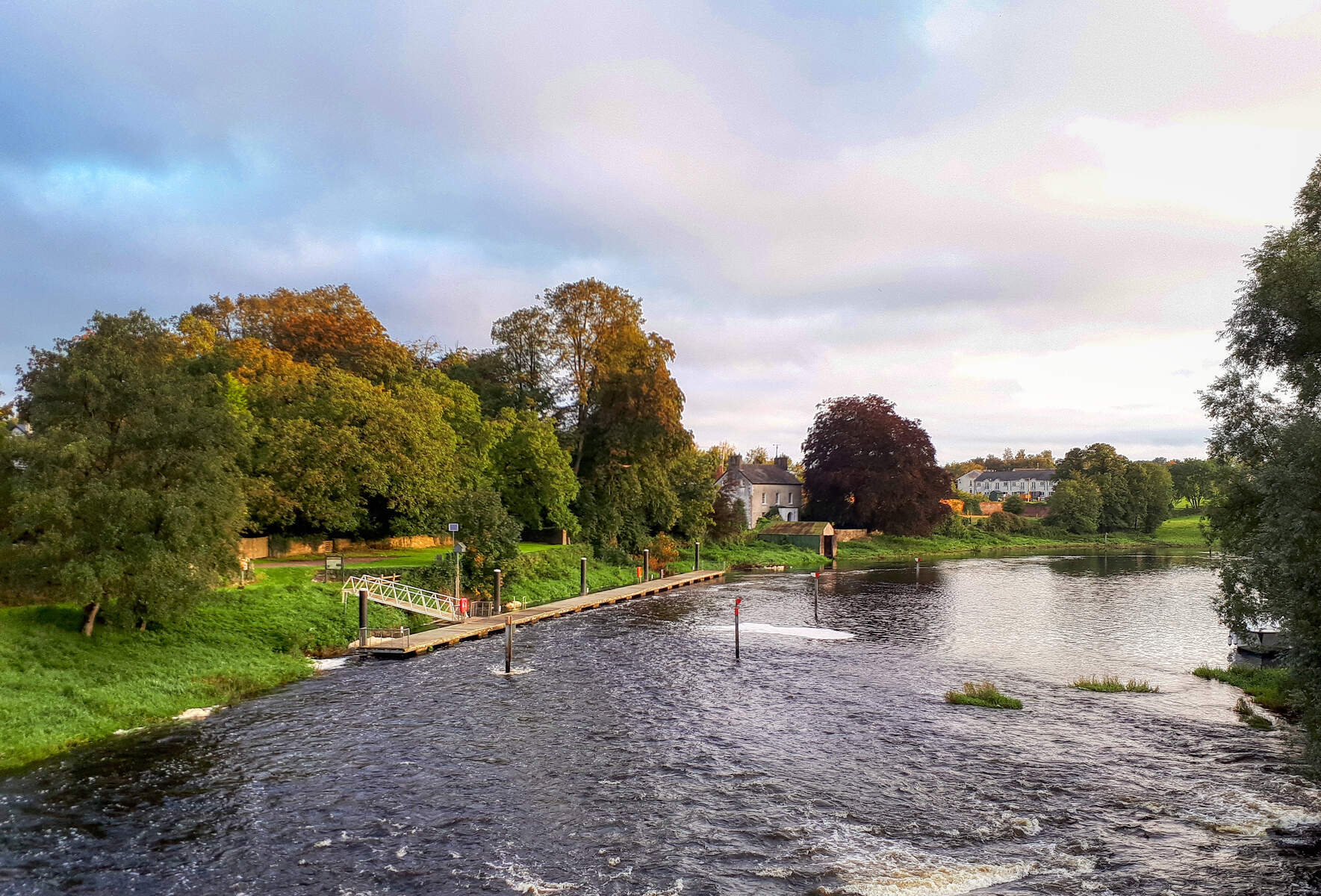
The stretch of the Castletown River downstream of Toberona Bridge is renowned among anglers for its healthy runs of sea trout and salmon. The river’s pools in this section are deep, clear, and often hold fish that have been forced downstream by recent floods – a fact highlighted by local angling clubs. The best fishing period runs from July to September, when the salmon and sea‑trout are most active.
Anglers must obtain a permit from the Dundalk Brown Trout Angling Association (or its online portal) and a State licence. The regulations are strict: only single or double barbless hooks may be used, and worms are prohibited as bait. These rules help preserve the river’s delicate ecosystem while still offering a rewarding fishing experience.
Riverside Walks
The bridge forms part of a gentle riverside walking route that follows the Castletown River from its source in County Armagh to Dundalk Bay. The trail is well‑marked, mostly flat and suitable for families and casual walkers. From the bridge you can head downstream into Dundalk town centre or upstream towards the scenic countryside of the Cooley Peninsula.
Nearby Points of Interest
- St John’s Well – a short walk from the bridge, this historic well offers a glimpse into local folklore and the spiritual heritage of the area.
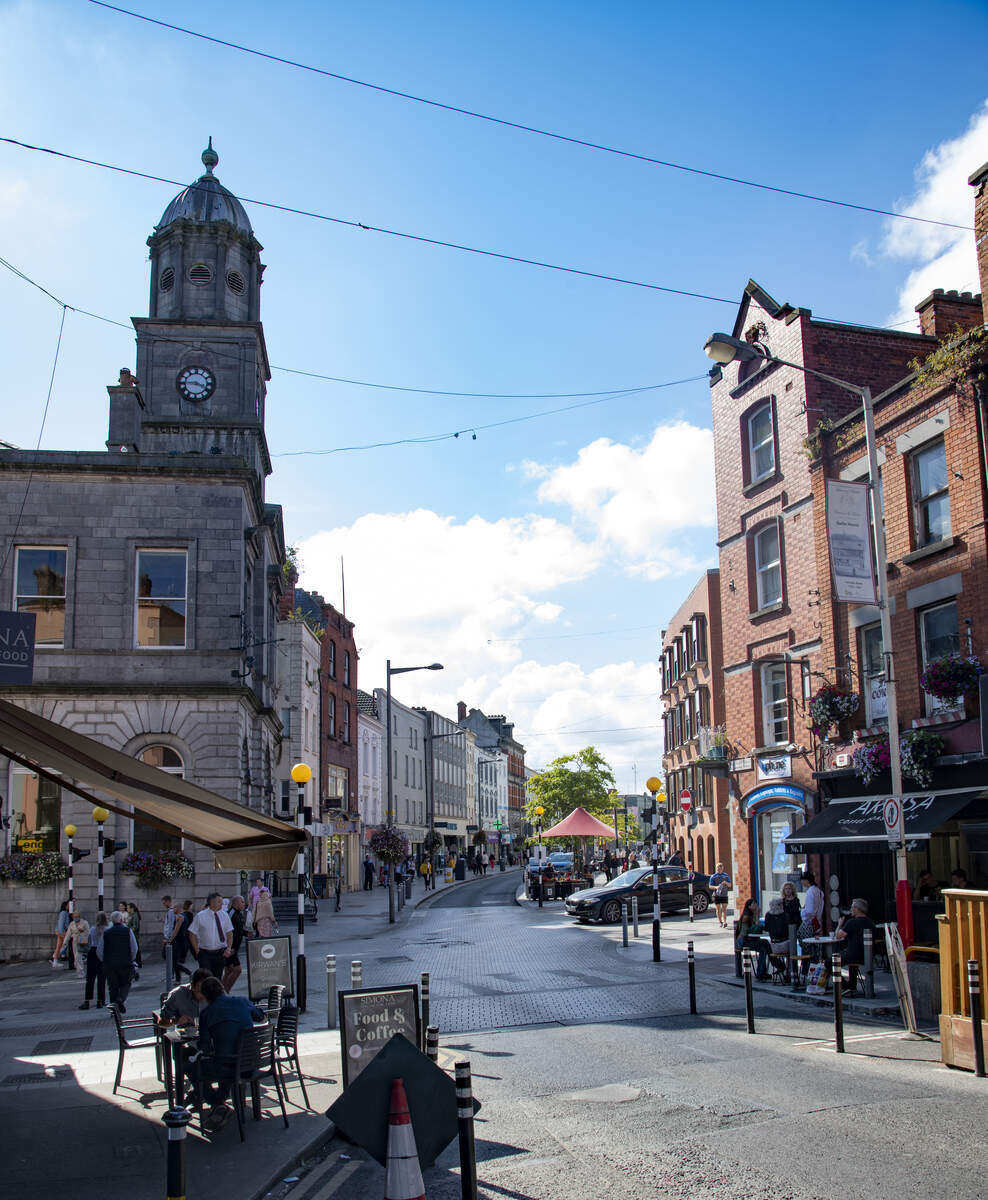
- Dundalk Town Centre – just a few kilometres downstream, the town provides cafés, museums and a vibrant market square, making it easy to combine a bridge visit with a town stroll.
- Castletown River Estuary – follow the river eastward to its mouth at Dundalk Bay for bird‑watching and coastal scenery.
Practical Information
Toberona Bridge is a public thoroughfare and therefore has free entry. There are no formal opening hours; the bridge is accessible at any time, though pedestrian traffic is safest during daylight. Parking is available on the minor road that leads to the bridge, with a small lay‑by on the north bank of the river. No admission fee is charged.
Recent Events & Safety
In November 2024 a car collided with the bridge, causing significant damage to the parapet and rupturing a water‑main that runs alongside it. The incident led to a temporary road closure while repairs were carried out. Louth County Council has indicated that the bridge will be restored in keeping with its historic character, but visitors should check the latest traffic updates before planning a visit, especially during the repair period.
Angling Details (presented in a table for clarity)
| Activity | Season | Permit Required | Hook Rules | Bait Restrictions |
|---|---|---|---|---|
| Salmon & Sea‑trout fishing | July – September (peak) | Dundalk Brown Trout Angling Association permit + State licence | Single or double barbless hooks only | No worms; artificial flies recommended |
Permits can be purchased online via the association’s portal: Dundalk Brown Trout Angling Association. The association also offers day‑permit options for visitors who wish to fish just for a single outing.
Getting There
The bridge is located at latitude 54.026279 and longitude -6.429052. It is easily reached by car via the local road network from Dundalk town centre (approximately 3 km north). Public transport options include the Bus Éireann 100X service to Dundalk, followed by a short taxi ride or a 10‑minute walk northwards along the riverbank.
Accessibility
The bridge’s roadway is paved and level, making it passable for standard vehicles and wheelchair users, although the narrow footpath on the north side may be less comfortable for those with limited mobility. No dedicated wheelchair ramps are provided, but the gentle gradient of the approach roads generally allows safe access.
Wildlife
The Castletown River supports a range of wildlife. Daubenton’s bats, which forage close to water surfaces, have been recorded along the river’s banks in national monitoring surveys. Their presence indicates good water quality and a healthy insect population.
In 2007 a fish‑kill event was investigated by the Eastern Regional Fisheries Board, with more than 200 dead fish found near Toberona Bridge. The cause was linked to agricultural runoff from upstream, highlighting the importance of ongoing water‑quality monitoring.
Further Reading & Resources
- SABRE entry for the bridge: St John’s Bridge (Louth)
- Angling regulations and permit information: Fishing in Ireland – Castletown River
- Castletown River overview: Wikishire – Castletown River
- River health monitoring (Daubenton’s bat survey): National Parks & Wildlife Service report (PDF) – includes Castletown River sites.