
Overview
Tomregan is a civil parish that uniquely bridges the Republic of Ireland and Northern Ireland, with most of its townlands lying in County Cavan and a smaller portion in County Fermanagh. The bustling village of Ballyconnell serves as the parish’s population centre, offering a blend of rural charm and layered history. The area sits beneath the wind‑turbines of Slieve Rushen Hill and provides a quiet yet compelling destination for anyone fascinated by Ireland’s mythic past and early Christian heritage.
History
The name Tomregan derives from the ancient Irish Tuaim Drecain – “Drecon’s mound” – a burial site linked to the legendary Fomorian Regan. According to the Dindshenchas, Regan was slain here in 1860 BC, an event that gave the parish its name. Later annals record the Battle of Tuaim Drecain (c. 1342 BC) where High King Eochaid Faebar Glas claimed victory, underscoring the area’s long‑standing strategic importance.
Christian tradition also runs deep. The parish is associated with St Dallan Forgaill (c. 530 AD), the chief poet‑ollam of early Ireland, and with St Bricín (c. 640 AD), whose visions are recorded in the CELT corpus. In 584 AD the Synod of Drumceat is said to have founded the University of Tuaim Drecain in the townland of Mullynagolman, a centre of learning that pre‑dated many medieval institutions.
These layers of myth, early medieval scholarship, and later Anglo‑Irish settlement converge in the built environment of Tomregan, most notably in the Tomregan Church and its celebrated stone carving.
Lost Monastic Site at Tomregan (Church Meadow)
Archaeological evidence points to a medieval monastic settlement once known locally as “Church Meadow” in the townland of Mullynagolman. Historical records suggest it was the site of St Brecin’s monastery, which included a round tower, a church and a cemetery. Photographs from the late 1940s show the tower’s base and fragments of stonework, but by the 1970s all visible traces had disappeared, likely due to intensive farming and land development. Finds recorded by early investigators include cut stones, hand‑querns and a lump of iron slag, hinting at metal‑working activities on‑site. The only surviving artefact is the Tomregan Stone, now displayed in the Church of Ireland building in Ballyconnell.
Architecture of Tomregan Church
The church was erected in 1756 under the patronage of George Leslie Montgomery and enlarged around 1820, incorporating a mix of classical and Gothic Revival elements. Notable features include:
- A three‑stage bell tower with an octagonal spire and castellated parapet.
- Shallow apses to the east and south, each framed by cut‑sandstone surrounds with hood mouldings.
- Pointed twin‑light windows with clear glass in the nave and stained‑glass in the sanctuary.
- Interior galleries supported by quatrefoil timber columns, a decorative plaster ceiling with a sunburst motif, and a box pew in the south apse.
- A stone memorial tablet to Sarah Ainsworth Story and other period furnishings thought to be the work of architect Joseph Welland.
The building is listed on the National Inventory of Architectural Heritage (NIHA) as a noteworthy example of layered ecclesiastical architecture in rural Ireland.
The Tomregan Stone
The Tomregan Stone, now displayed in the Church of Ireland building on Church Street, is a sandstone carving that has sparked scholarly debate for decades. Discovered in a ditch half a mile from the former monastic site, the stone bears a long oval head with large, staring eyes, animal‑like ears, and an arched opening beneath. Early interpretations labelled the figure male and pagan; more recent analysis, highlighted in a 2023 Anglo Celt feature, argues the carving represents a female deity – “the Great Mother giving birth to her son.”
The stone’s provenance is thought to be a Romanesque window from the round tower that once stood beside the medieval church. Its enigmatic iconography links it to other regional motifs, such as the pig‑head doorway in Kilmore, suggesting a shared symbolic language across early Irish ecclesiastical art.
For visitors, the stone offers a tangible connection to pre‑Christian belief systems and the scholarly curiosity that still surrounds it. The carving is illuminated within the nave, allowing close inspection of the eyes and ears that have earned it the nickname “the three‑eyed stone” among local historians.
Tomregan Church
Built in 1756 and expanded in 1820, Tomregan Church is a modest yet architecturally significant example of Romanesque revival in rural Ireland. Its stone walls, simple lancet windows, and the preserved Tomregan Stone make it a focal point for both worshippers and heritage tourists.
The church remains an active community hub. Regular Sunday services are held at 11:30 AM, led by a mix of parish readers and clergy. A monthly Holy Communion service takes place at the nearby Breffni Care Centre, reflecting the parish’s inclusive approach to worship.
Beyond liturgical use, the building hosts weddings, concerts, and occasional heritage talks, providing visitors with opportunities to experience local culture in a living setting. The surrounding churchyard contains gravestones dating back to the 18th century, offering further insight into the families that have shaped the area.
What to See & Do
- Explore the Tomregan Stone – Examine the carving up close; the church’s information board explains the latest scholarly interpretations.
- Attend a Service – Sunday 11:30 AM services are open to all visitors.
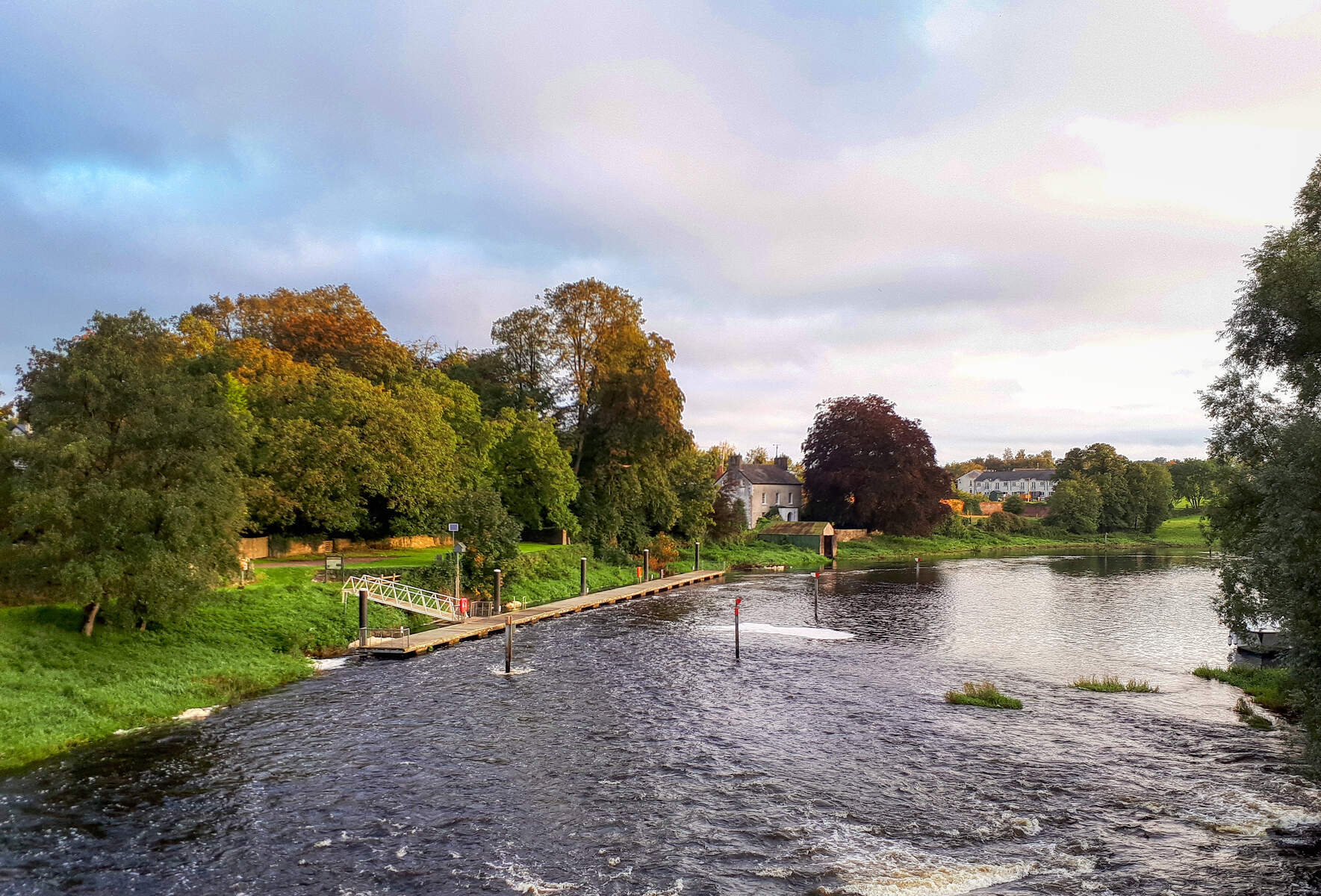
- Walk the Parish Landscape – Follow the old monastic route that leads from the church toward the remnants of the round‑tower site, a short, well‑marked path that offers views of the Woodford River (formerly River Graine).
- Visit the Townlands – The civil parish contains over thirty townlands, each with its own micro‑history. Maps of the Cavan and Fermanagh townlands are available at the local tourist office.
- Local Heritage Centre – A small exhibit in Ballyconnell showcases artefacts from the 19th‑century “Ballyconnell conference” that examined the Tomregan Stone, including photographs and newspaper clippings.
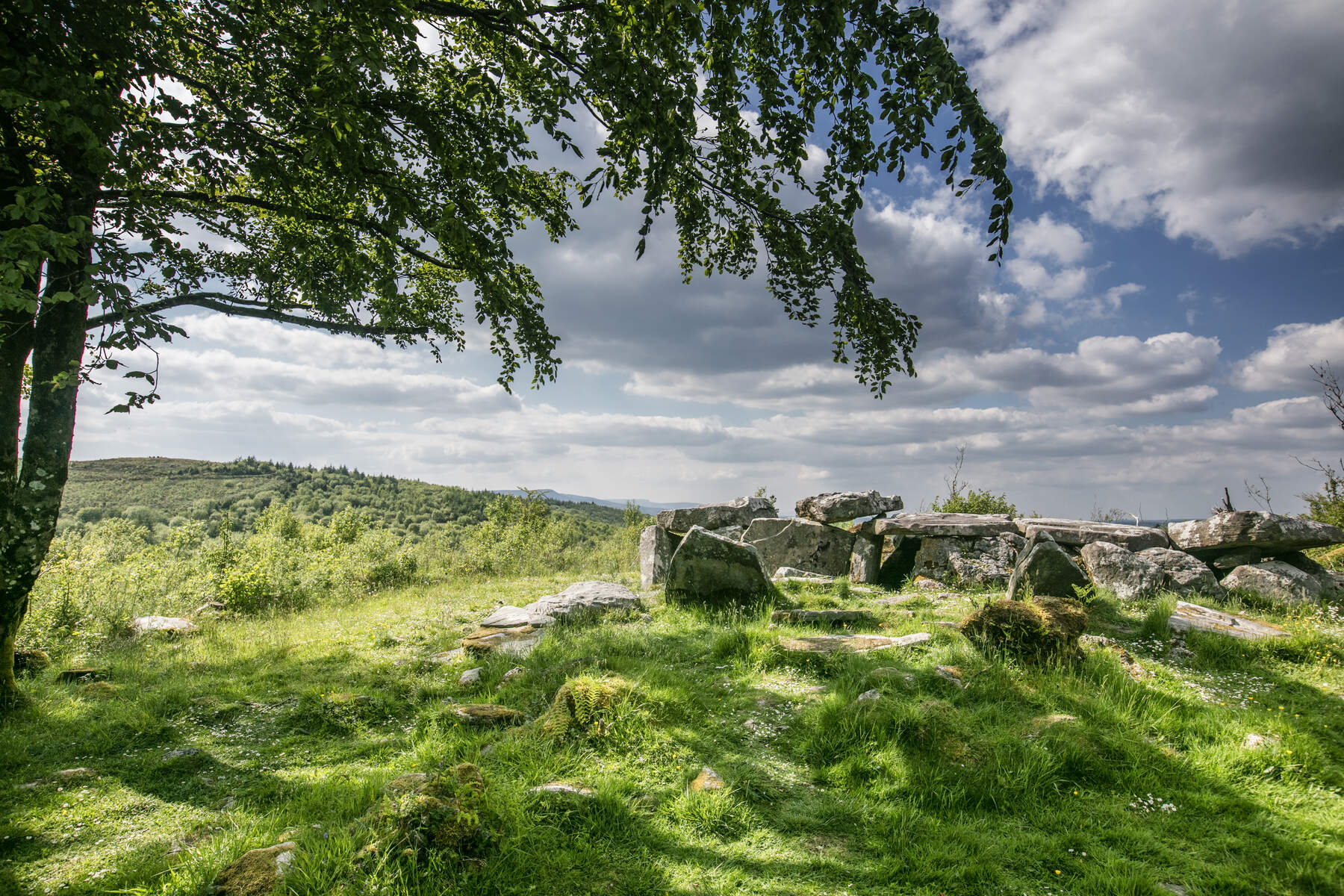
- Nearby Walks – The Ballyconnell Bridge and Canal Walk follows the River Woodford to the Erne Canal, while the Cavan Burren Park offers a short drive to a network of dolmens and wedge‑tombs.
Events & Community
Tomregan Church and the wider Ballyconnell area host a handful of seasonal events that add colour to a visit:
- Ballyconnell Festival 2025 – A weekend of music, craft stalls and food on the August Bank Holiday (13:00–17:00).
- Ballyconnell Christmas Market – Held on 26 December 2025, featuring local artisans and seasonal treats.
- St Patrick’s Day Parade – Takes place in Ballyconnell each March; the church often participates with a special service.
Check the parish notice board or the official website for the latest dates.
Practical Information
Tomregan Church is freely accessible to the public. There is no admission charge, and parking is available in the small lot behind the building (free of charge). The church is wheelchair‑accessible via a gently sloping side entrance; however, the stone display is at a slightly raised level, so assistance may be required for visitors with limited mobility.
Service Times
| Day | Time | Notes |
|---|---|---|
| Sunday | 11:30 AM | Regular worship service |
| Monthly* | Varies | Holy Communion at Breffni Care Centre |
*The exact date of the monthly communion changes; check the parish notice board or the website for updates.
The nearest public‑transport link is the Ballyconnell bus stop on the Cavan‑Sligo route, a 5‑minute walk from the church. For drivers, the R205 road provides easy access from the N87.
Further Reading
- Wikipedia entry on Tomregan: https://en.wikipedia.org/wiki/Tomregan
- In‑depth article on the Tomregan Stone (Anglo Celt, 2023): https://www.anglocelt.ie/2023/02/12/all-eyes-on-the-tomregan-stone-an-unusual-history/
- Official church page: https://ballyconnell.org/tomregan-church/
- Buildings of Ireland record: https://www.buildingsofireland.ie/buildings-search/building/40304001/tomregan-church-of-ireland-church-church-street-doon-e-d-ballyconnell-ballyconnell-co-cavan
- Lost Monastic Site report: https://www.irishhistory.com/places/lost-monastic-site-at-tomregan-church-meadow-mullynagolman-ballyconnell-co-cavan/
Tomregan may be modest in size, but its layers of myth, early scholarship and living community make it a micro‑cosm of Irish heritage. Whether you are tracing ancient battles, pondering enigmatic stone carvings, or simply enjoying a quiet moment in a historic church, Tomregan offers a uniquely immersive glimpse into Ireland’s past and present.