
Overview
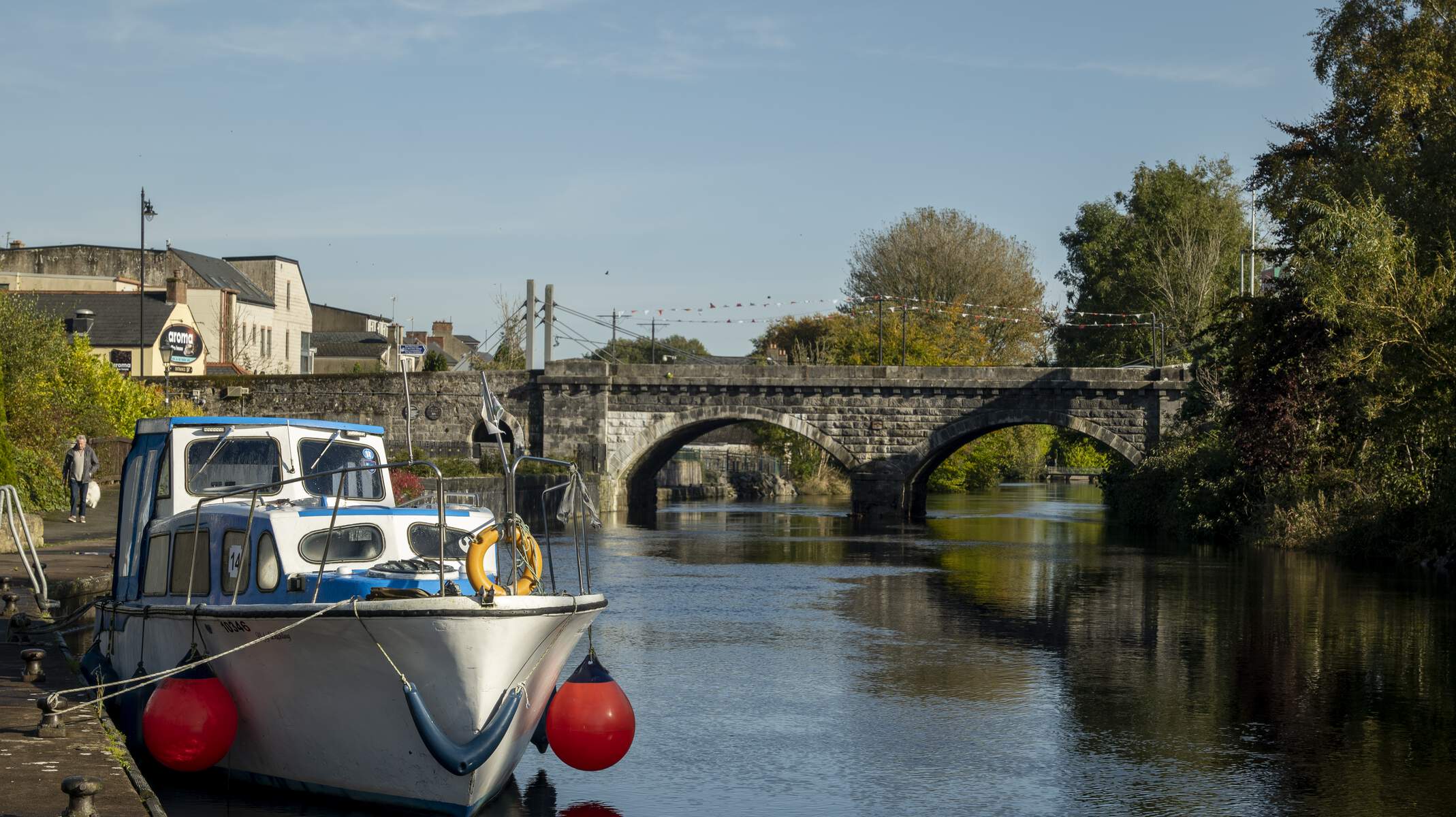
Toopagh Rock is a modest yet striking limestone outcrop perched on the edge of County Tipperary’s fertile landscape. Though it does not boast the fame of the Rock of Cashel, this unassuming formation rewards the curious traveller with panoramic vistas of the surrounding valleys, the meandering River Shannon, and the distant silhouettes of the Galtee Mountains. The rock sits within the heart of what tourism officials describe as Ireland’s “Golden Vale”, a region celebrated for its lush pastures, historic towns, and a network of walking trails that weave through unspoiled countryside.
Background
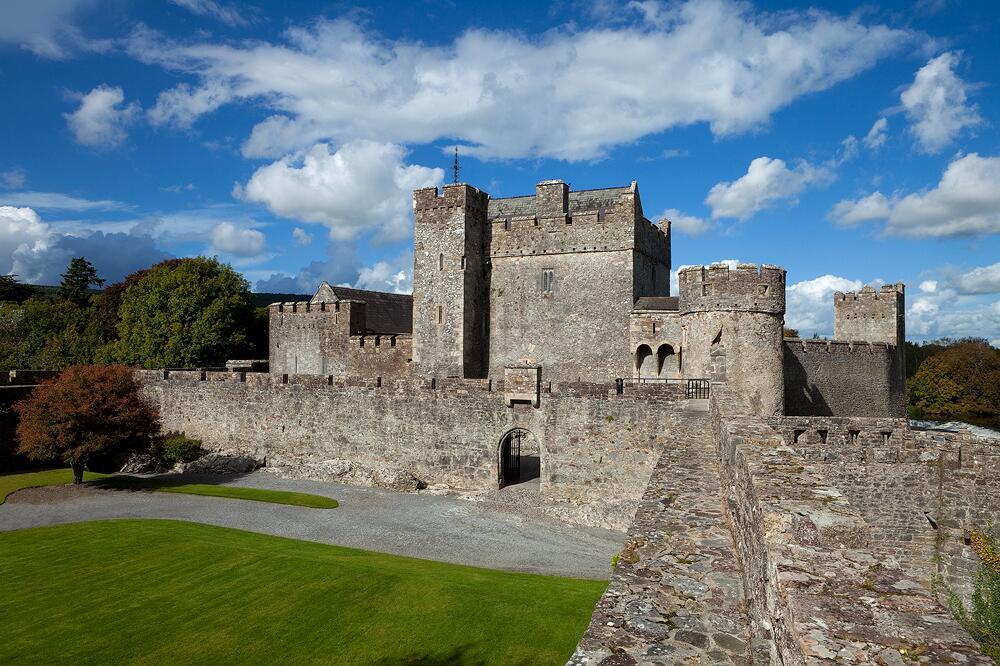
Historical records specific to Toopagh Rock are sparse, which adds to its allure as a place where imagination can roam free. The broader Tipperary area, however, is steeped in five‑thousand years of human activity—from early Neolithic settlements to medieval strongholds such as the Rock of Cashel and Cahir Castle. The geology of the county is dominated by limestone pavements and glacially carved valleys, a legacy that gave rise to features like Toopagh Rock.
Geology and Fossils
The outcrop is composed of Carboniferous limestone, the same rock that underlies much of the Golden Vale. Over millions of years, ancient seas deposited layers of calcium‑rich sediment which later hardened into the limestone we see today. Weathering has exposed subtle fossil imprints—primarily brachiopods and crinoid stems—offering a tangible glimpse of the marine life that once thrived in these waters.
What to See & Do
While Toopagh Rock itself is a compact site, its location makes it an ideal base for a variety of outdoor pursuits:
- Scenic Photography – The rock’s elevated position offers unobstructed sightlines across the Shannon floodplain, especially striking at sunrise when mist lifts off the water.
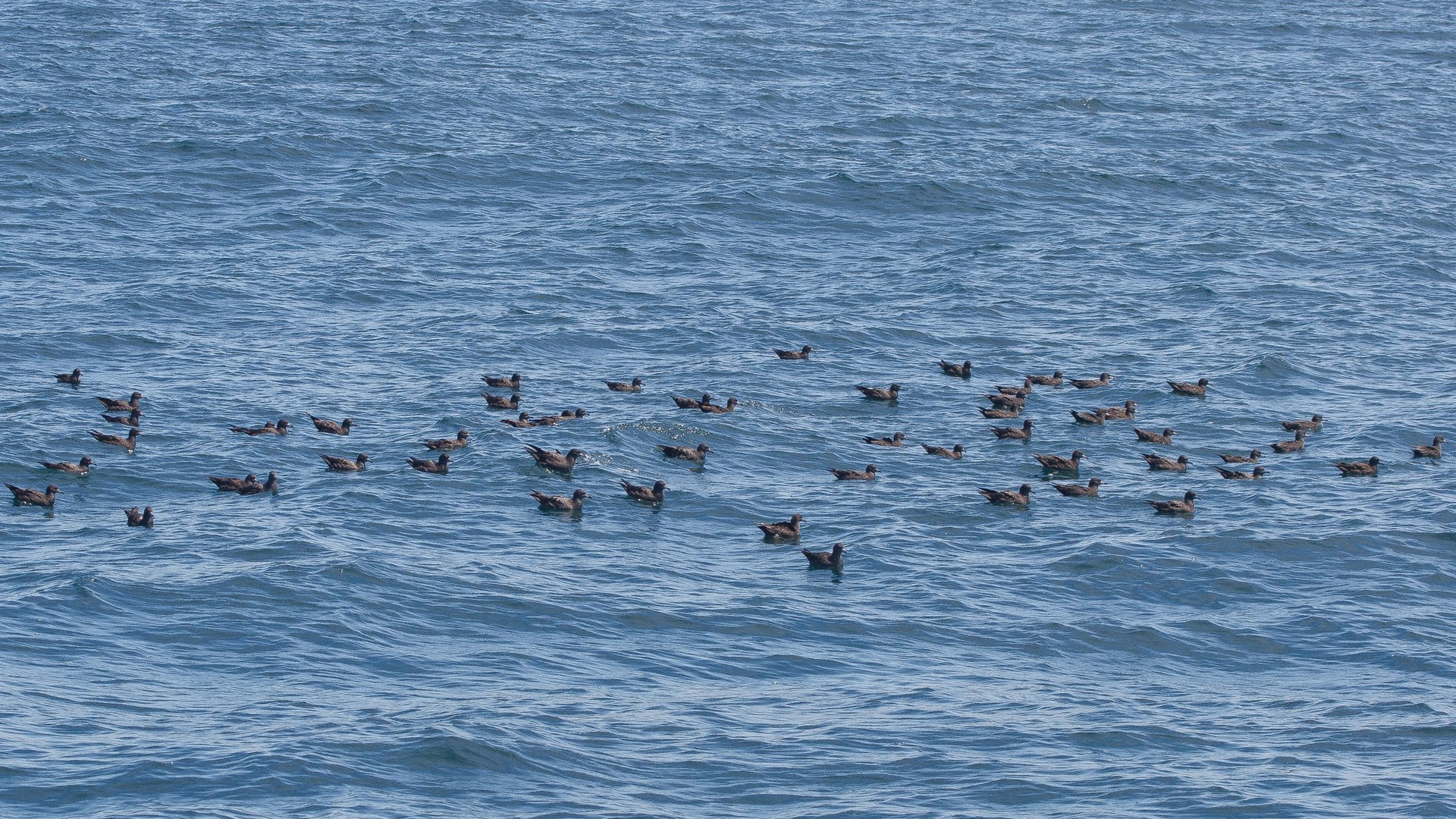
- Birdwatching – Grassland around the rock attracts lapwings, curlews, meadow pipits and occasional raptors such as the hen harrier. Spring migration brings a flurry of warblers.
- Walking Trails – A short detour from the Tipperary Heritage Way (56 km) brings you to the outcrop. The nearby Clashawley River trail follows the river’s meanders and provides a gentle riverside walk.
- Nearby Water Activities – A short drive brings you to Lough Derg, Ireland’s largest lake, where kayaking, sailing and leisurely boat trips are popular.
- Cultural Stops – After a visit to the rock, consider exploring the historic towns of Cahir, Cashel, or the medieval village of Fethard, each offering pubs, artisan cheese shops and heritage sites.
Nearby Attractions
- Devil’s Bit Mountain – A striking volcanic plug with a network of marked walks and panoramic views; reachable within a 30‑minute drive.
- Clare Glens – A scenic river gorge with forest trails and picnic spots, ideal for a family outing.
Practical Information
Getting There
The most convenient gateway to County Tipperary is Shannon Airport, located roughly an hour’s drive from the central part of the county. From the airport, follow the N62 and R497 regional roads toward the village of Toopagh (the nearest settlement to the rock). For those arriving by train, the main rail line stops at Clonmel; a rental car or local bus service can then take you westward.
| Mode of transport | Approx. time from major hub | Notes |
|---|---|---|
| Car (Shannon Airport) | 1 hour | Direct via N62/R497; signage for Toopagh village. |
| Train (Clonmel) | 30 min drive | Limited rural bus services; best to hire a car. |
| Bus (Dublin) | 2.5 h (coach) | Coach services to Cashel include a stop near Toopagh. |
Parking & Access
A small free car park sits at the foot of the rock, providing space for a handful of vehicles. The path from the car park to the outcrop is a gentle, well‑maintained gravel track suitable for most visitors. While the site is not formally wheelchair‑accessible, the short distance and modest gradient make it manageable for many with limited mobility.
Admission & Fees
Toopagh Rock is part of the public countryside and does not charge an entry fee. Visitors are encouraged to respect the natural environment by staying on marked paths and taking any litter home.
Seasonal Considerations
The rock is accessible year‑round. Spring and early summer bring a carpet of wildflowers to the surrounding fields, while autumn colours enhance the view of the Galtee foothills. Winter can be brisk, but the stark landscape offers a different kind of beauty, especially when the Shannon is mist‑shrouded.
Visitor Tips
- Wear sturdy walking shoes; the gravel track can be slippery after rain.
- Bring a water bottle and sun protection for summer visits.
- Binoculars enhance the birdwatching experience.
- Dogs are welcome on the trail, but keep them on a lead during bird‑watching season (spring).
Why Visit Toopagh Rock?
Toopagh Rock may not dominate guidebooks, but its quiet charm provides a genuine slice of Irish countryside life. It is an ideal spot for those who wish to step off the beaten path, soak in expansive rural vistas, and connect with the geological history that shaped the Golden Vale. Whether you are a photographer chasing light, a hiker seeking a rewarding viewpoint, or simply a traveller looking for a peaceful pause amid Tipperary’s rolling hills, Toopagh Rock offers a memorable experience without the crowds.
For more inspiration on exploring County Tipperary’s landscapes, visit the official Tipperary Tourism website.