
Overview
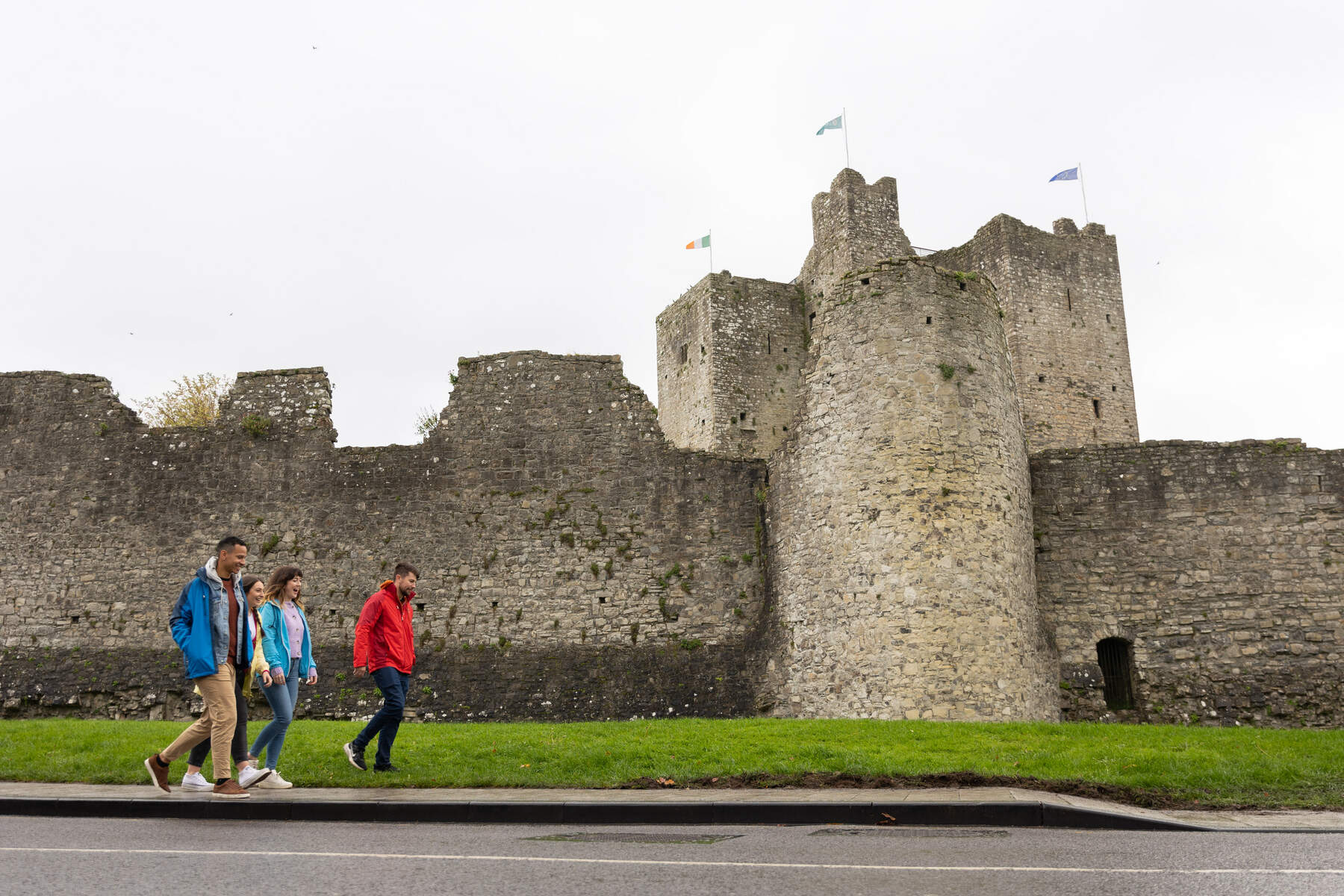
Perched on a raised ridge overlooking a historic fording point of the River Boyne, Trim Castle is the crown jewel of County Meath’s medieval landscape. Spanning roughly 30,000 m², it is the largest Cambro‑Norman castle in Ireland and a designated National Monument. The castle’s massive stone keep, with its distinctive cruciform shape and twenty corners, dominates the skyline and offers panoramic views of the Boyne Valley, a region rich in archaeological and mythic sites.
The site is owned and cared for by the Office of Public Works (OPW) and is open to the public year‑round. While the outer courtyard is free to explore, access to the interior keep is by guided tour only – a safety measure that also ensures visitors hear the layered stories of conquest, rebellion and royal intrigue that echo through its walls.
History
The de Lacy foundation (1170s‑1220s)
After the Norman invasion of Ireland, Henry II granted the Kingdom of Meath to Hugh de Lacy in 1172. De Lacy chose the strategic river crossing at Trim to establish his caput, constructing a massive ringwork fortified by double palisades and an external ditch. By the early 1190s the wooden fortifications were replaced with stone, and the iconic three‑storey keep began to take shape. The keep was completed around 1224, although some 19th‑century sources cite 1220 as the finishing year.
Geneville, Mortimer and the York connection (1300s‑15th century)
Through marriage and inheritance the castle passed to Geoffrey de Geneville and later to the Mortimer family. In the 15th century the estate fell to the York line, linking Trim to the Wars of the Roses. Richard II visited in 1399, and his son Henry V was once held prisoner within the walls.
Parliamentary centre and decline (15th‑16th century)
During the 1400s the Irish Parliament met at Trim Castle on seven occasions, and a mint operated on the site, underscoring its administrative importance. The castle began to deteriorate in the 16th century, only to be refortified during the Irish Confederate Wars of the 1640s. Oliver Cromwell’s forces occupied the castle after the 1649 sacking of Drogheda.
Modern restoration (1990s‑present)
After passing through the hands of the Wellesley, Leslie and Dunsany families, the state acquired the property in 1993. A €4.5 million OPW conservation programme restored the moat, installed a protective roof on the keep and reopened the site to visitors in 2000.
What to See & Do
- The cruciform keep – The only Norman keep in Ireland with a 20‑corner, cruciform plan. Guided tours let you climb a modern staircase to the battlements, where the River Boyne and the town of Trim stretch out below.
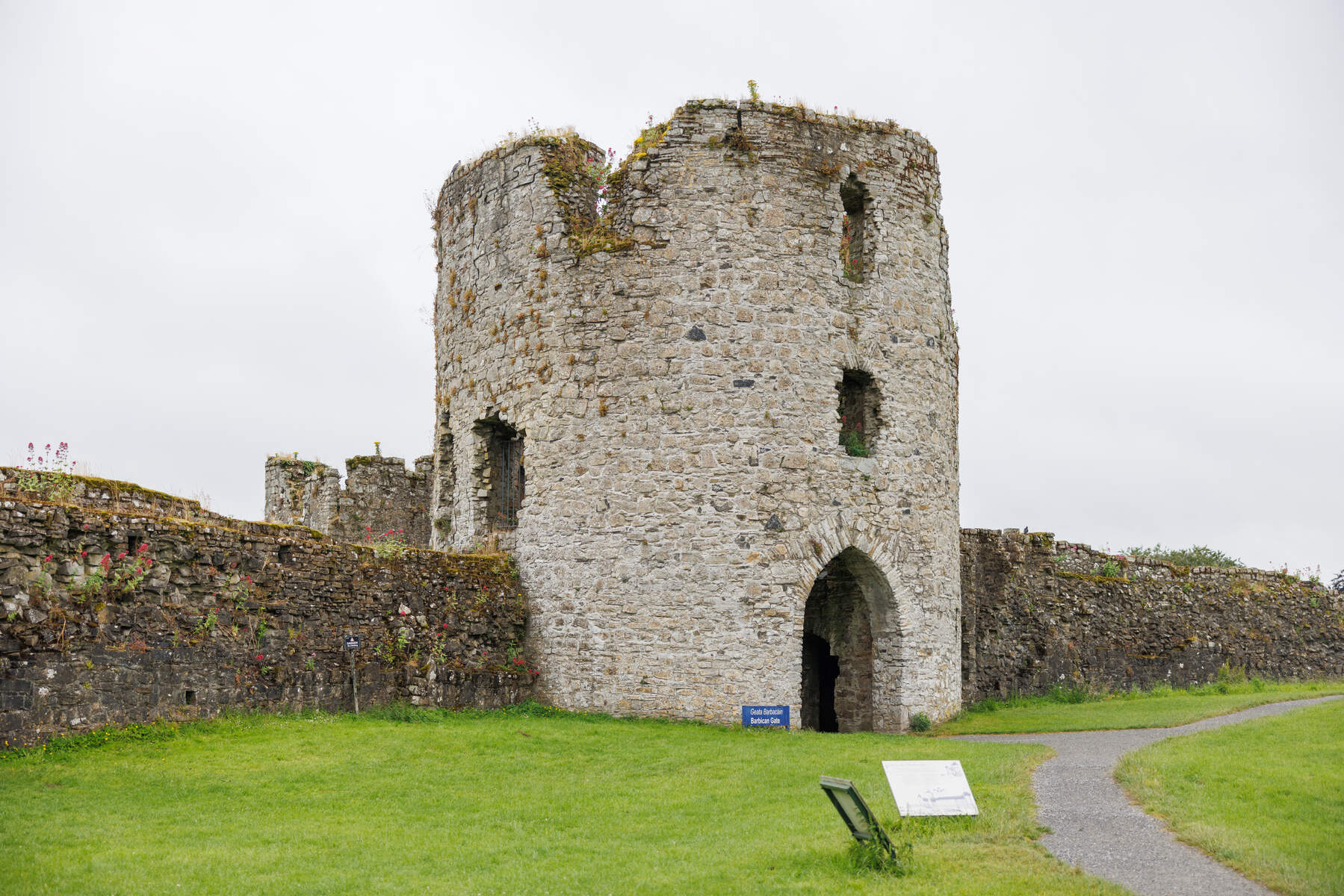
- Curtain walls and gates – The west‑side gate (the Trim Gate) dates to the 1170s, while the south‑side Dublin Gate, with its round barbican tower, was added in the 1190s‑early 13th century. Both illustrate the evolution of medieval fortification techniques.
- Great Hall and forebuilding – A late‑13th‑century three‑aisled great hall sits beside the keep, complete with an undercroft and a solar that once housed the lord’s private chambers.
- Moat and ditch – Partially restored, the water‑filled moat still outlines the original ringwork, offering a tangible sense of the castle’s defensive perimeter.
- Film history – Trim Castle doubled as the walled city of York in Mel Gibson’s Braveheart (1995) and featured in The Big Red One (1980). Fans can spot the added wooden buttresses and gate that were built for the film.
- Interpretation panels – Scattered across the grounds, these panels provide self‑guided insight into the castle’s architecture, the medieval town of Trim, and the surrounding Boyne Valley heritage sites.
Practical Information
Opening Hours
| Season | Days | Opening Times |
|---|---|---|
| January | Weekends only | 09:00 – 16:00 |
| 5 Feb – 16 Mar | Daily | 09:00 – 16:00 |
| 17 Mar – 30 Sep | Daily | 10:00 – 17:00 |
| 1 Oct – 31 Oct | Daily | 09:00 – 16:00 |
| November – December | Weekends only | 09:00 – 16:00 |
| Christmas / New Year (28‑31 Dec) | Daily | 09:00 – 16:00 |
Winter tours of the keep are limited to weekends and bank holidays; check the website for any seasonal variations.
Admission Fees
| Ticket Type | Price |
|---|---|
| Adult | €5.00 |
| Group / Senior | €4.00 |
| Child / Student | €3.00 |
| Family (2 adults + 2 children) | €13.00 |
| Castle grounds (self‑guided) | Free |
Guided tours of the keep are run by OPW staff and last about 45 minutes.
Accessibility
The castle grounds are wheelchair‑accessible, but the keep’s interior is not due to steep, narrow staircases. Assistance dogs are permitted on the grounds. Interpretation panels allow self‑guiding for visitors with limited mobility.
Getting There
- By car – The town of Trim lies off the M3 motorway (approx. 45 km north of Dublin). On‑street parking is available in the town centre; paid car parks on Emmet Street and Jonathan Swift Street charge €3 per day.
- By bus – Bus Éireann routes 111, 111X, 190 and 109A connect Trim with Dublin, Navan and Drogheda.
- By train – The nearest station is Navan (≈10 km); a short bus or taxi ride completes the journey.
- By air – Dublin Airport is about a 45‑minute drive.
Contact & Online Resources
- Website: https://heritageireland.ie/places-to-visit/trim-castle/
- Phone: +353 469 438 619
- Latitude / Longitude: 53.55442, -6.7894
Nearby Highlights
While you’re in Trim, consider a short walk to Ireland’s oldest intact bridge (built 1390) or a visit to St Mary’s Abbey across the Boyne. The Hill of Tara, Brú na Bóinne and Bective Abbey are all within a 30‑minute drive, making Trim an ideal base for exploring the Boyne Valley’s UNESCO‑linked heritage.
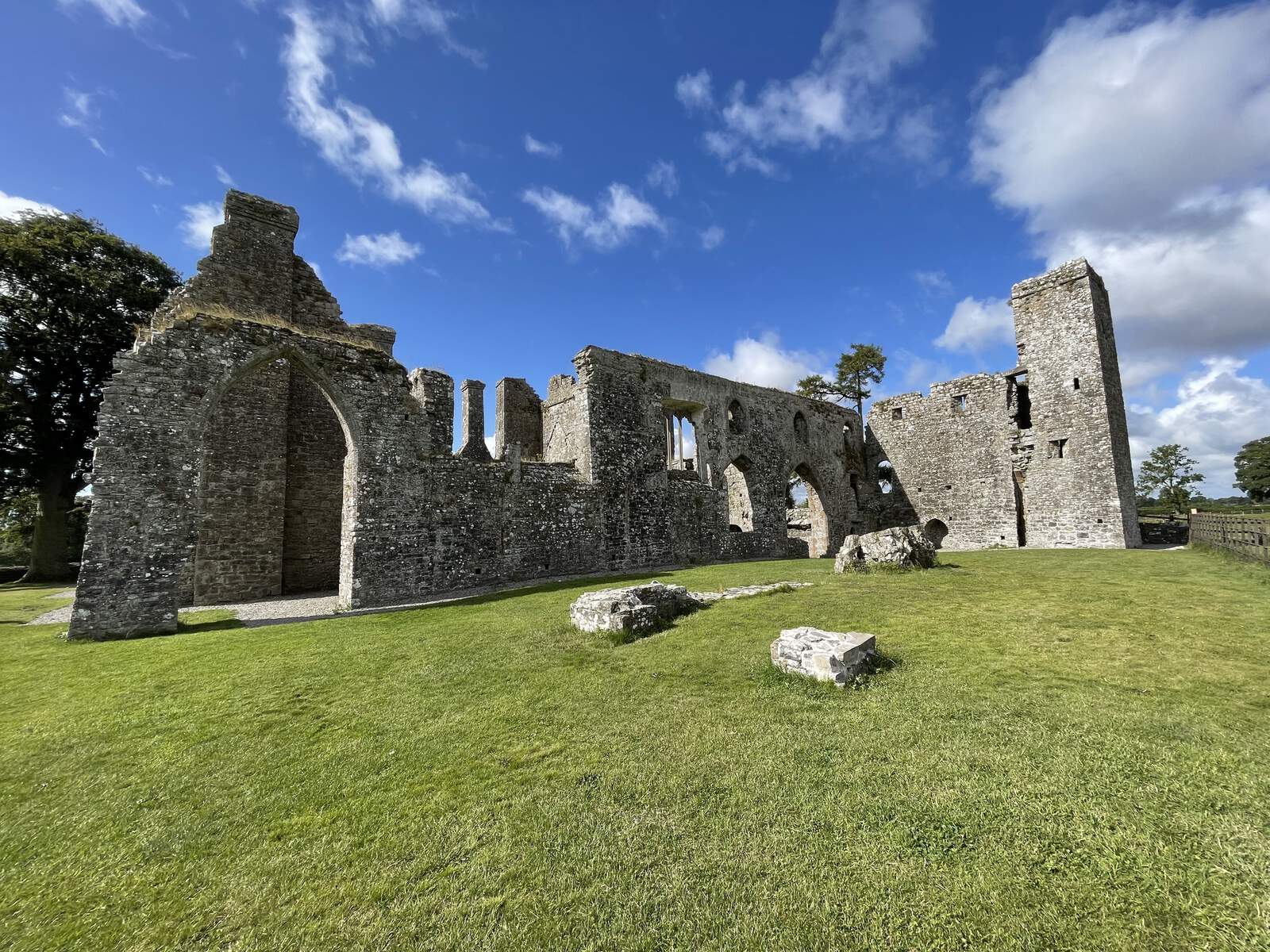
Whether you’re a history buff, a film enthusiast, or simply looking for a striking medieval backdrop, Trim Castle offers a compelling blend of architecture, storytelling and landscape that captures the spirit of Ireland’s Ancient East.