
Overview
Trinity Castle sits at the heart of Dublin, just a short walk from Trinity College and the historic Christchurch. Originally erected in the early thirteenth century on the footprint of a Viking settlement, the complex has evolved through centuries of war, administration and ceremony. Today it functions as a working government precinct, a cultural venue, and one of Ireland’s most visited heritage attractions. Whether you’re a history buff, an architecture enthusiast, or simply looking for a striking backdrop for a special event, Trinity Castle offers a layered experience that bridges medieval intrigue with modern Irish identity.
History
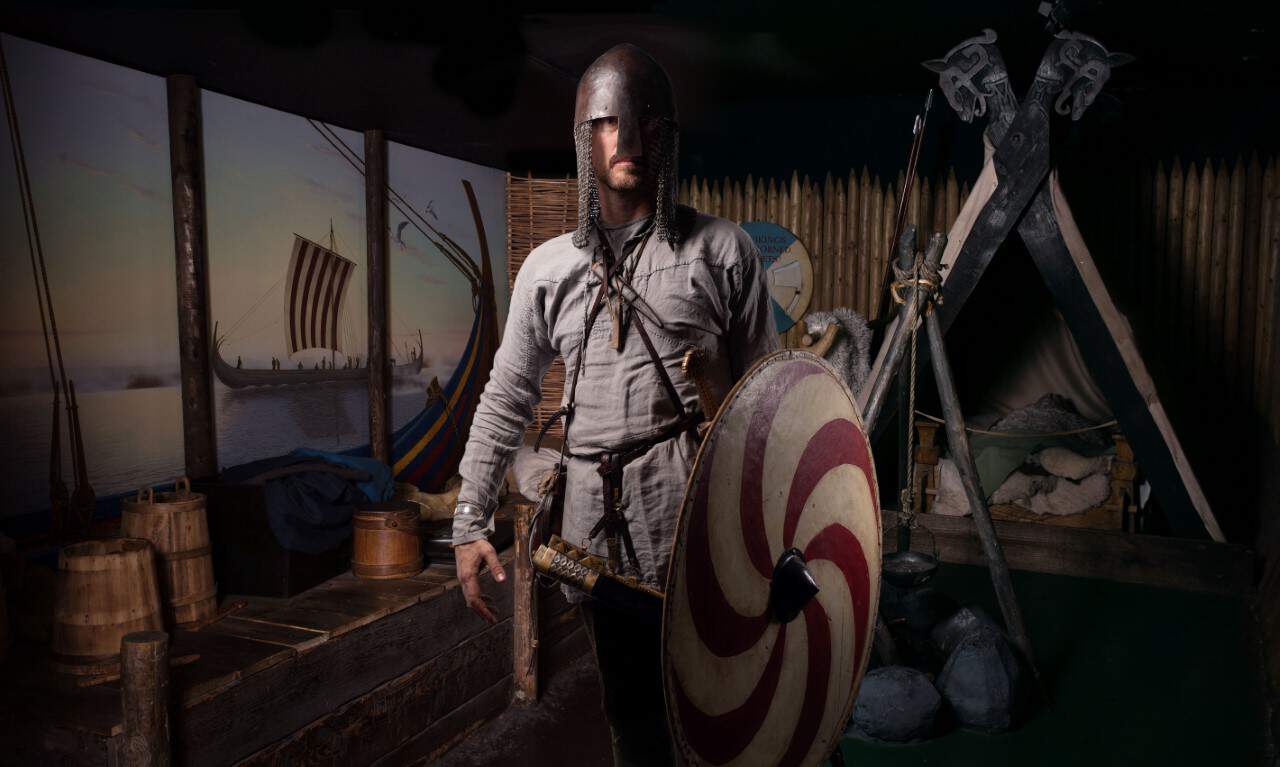
The story of Trinity Castle begins long before the Norman invasion. Archaeological evidence points to a Viking trading post that occupied the site in the ninth and tenth centuries. When the Anglo‑Normans arrived, they constructed a fortified manor in the early 1200s, establishing the first stone structure that would become Dublin Castle. Over the next seven hundred years the castle served as a military stronghold, a royal residence, a prison, a treasury, and the seat of English (later British) rule in Ireland.
Following the establishment of the Irish Free State in 1922, the castle was handed over to the new Irish government. Subsequent centuries saw extensive rebuilding: the seventeenth‑century Tudor‑style State Apartments, the eighteenth‑century Chapel Royal, and the nineteenth‑century undercroft were all added or refurbished. In the twentieth century the complex was modernised to accommodate state ceremonies while preserving its historic fabric. Today, the State Apartments host presidential inaugurations, diplomatic receptions, and cultural exhibitions, making Trinity Castle a living museum of Irish governance.
Architecture & Notable Features
The castle’s architecture is a palimpsest of styles. The most recognisable element is the 19th‑century clock tower, a landmark that rises above the courtyard and houses a historic time‑piece still visible to visitors. Inside, the State Apartments showcase Tudor‑style interiors with ornate plasterwork, period furniture and the famous Van der Hagen painted hangings. The early‑19th‑century Chapel Royal offers a Georgian‑style vaulted ceiling, stained‑glass windows and a historic organ, and is fully accessible.
Beneath the ground floor, the medieval undercroft reveals original stone vaults that once stored royal provisions. Adjacent, the Viking excavation—though currently closed for upgrade works that began in September 2025—offers a glimpse of Dublin’s Norse origins for those able to navigate the stairs. The surrounding Dubh Linn Gardens provide a tranquil, wheelchair‑friendly green space, while the Coach House Gallery hosts a rotating programme of contemporary art and cultural exhibitions.
Recent Developments
In September 2025 the castle began a major refurbishment of the Viking excavation area. The work aims to improve visitor access, upgrade lighting and climate control, and introduce new interpretive displays. While the excavation remains stairs‑only during construction, the site is still visible from the undercroft, and the project is expected to be completed by mid‑2026.
What to See & Do
State Apartments
The State Apartments are the crown jewels of the castle. Lavishly decorated with period furniture, tapestries, and the famous Van der Hagen painted hangings, they offer a glimpse into the opulent world of Irish and British aristocracy. Audio guides are available for a self‑paced exploration, or you can join a guided tour for deeper insight into the rooms’ political and artistic significance.
Chapel Royal
Built in the early 1800s, the Chapel Royal is a fine example of Georgian ecclesiastical architecture. Its vaulted ceiling, stained‑glass windows, and historic organ make it a serene spot for reflection. The chapel is fully accessible and often hosts concerts and state services.
Medieval Undercroft & Viking Excavation
Descend into the medieval undercroft to see the original stone vaults that once stored royal provisions. While the Viking excavation is currently excluded from guided tours (upgrade works from September 2025), it remains visible for those willing to navigate the stairs. The undercroft’s cool, dim atmosphere offers a tangible connection to the castle’s earliest days.
Coach House Gallery & Dubh Linn Gardens
Set within the Dubh Linn Gardens, the Coach House Gallery showcases rotating exhibitions ranging from contemporary textile art to Irish diaspora projects. The gallery’s programme changes regularly, so visitors should check the website for the current show. The gardens themselves are a tranquil oasis in the city, featuring mature trees, ornamental ponds, and pathways that are wheelchair‑friendly.
Events & Venue Hire
Trinity Castle’s unique spaces are available for private events, from weddings to corporate functions. The historic ambience, combined with modern catering facilities, makes it a sought‑after venue. Check the events calendar for upcoming concerts, literary talks, and seasonal festivals.
Seasonal Highlights
- Winter Market (December‑January) – The Castle courtyard hosts a small artisan market featuring Irish crafts, seasonal foods and live folk music.
- Summer Concert Series (June‑August) – The Chapel Royal and the Upper Courtyard are used for classical and traditional music performances, often free to the public.
- Heritage Week (late September) – Special guided tours focus on the Viking excavation and the medieval undercroft, with interactive activities for families.
Family Activities
- Treasure‑hunt Trail – A printable map is available at the visitor desk, guiding children through the State Apartments and undercroft with riddles and stamps.
- Kids’ Audio Guide – A shorter, story‑focused audio guide introduces younger visitors to the castle’s history in an engaging way.
- Interactive Workshops – The Coach House Gallery regularly runs hands‑on craft sessions for school groups and families.
Heritage Trail & Nearby Sites
Trinity Castle forms a key stop on the Dublin City Heritage Trail, linking the medieval heart of the city with its Viking and Georgian layers. Within a short walk you can also visit the Central Bank Visitor Centre, the Abbey Theatre, and the Dublinia Viking Museum (just across the River Liffey). The proximity to Christchurch and Trinity College makes it easy to combine several cultural highlights into a single half‑day itinerary.
Nearby Attractions
Trinity Castle sits in a cultural hub. Within a short walk you can also visit the Central Bank Visitor Centre, which offers insight into Ireland’s financial history, and the Abbey Theatre, Ireland’s national stage, for a dose of performing arts. Both are easily reachable via Dame Street.
Practical Information
Opening Hours
| Day | Opening Time | Last Admission |
|---|---|---|
| Monday – Sunday & Public Holidays | 09:45 | 17:15 |
| Closed | 25‑27 December, 1 January | – |
| Special closures | Check website for events or temporary closures | – |
The castle is open year‑round outside the listed closures. Visitors should allow about 30 minutes for a self‑guided tour or an hour for a guided experience.
Ticket Prices
| Tour Type | Adult | Senior (60+) | Student (18+) | Child (12‑17) | Child (under 12) | Family (2 Adults + 3 children) |
|---|---|---|---|---|---|---|
| Self‑guided | €8.00 | €6.00 | €6.00 | €4.00 | Free | €20.00 |
| Guided (1 hour) | €12.00 | €10.00 | €10.00 | €6.00 | Free | €30.00 |
Tickets can be purchased in advance via the online booking portal. Advanced booking is recommended for larger groups and during peak tourist periods.
Getting There
Trinity Castle is situated on Dame Street, just a five‑minute walk from Trinity College and a short stroll to Christchurch. The nearest Luas stop is Trinity (Red Line), and several Dublin Bus routes (30, 33, 145) stop nearby. For drivers, limited on‑street parking is available, but public car parks such as the ParkRite on Westmoreland Street are within a 10‑minute walk.
Facilities
- Restrooms, including wheelchair‑accessible toilets, are located in the State Apartments foyer.
- A visitor information desk provides brochures and maps.
- Café & Restaurant services are available in the Castle’s courtyard during opening hours.
- Free Wi‑Fi is offered throughout the public areas.
Accessibility
All areas of the State Apartments and Chapel Royal are universally accessible, as are the Coach House Gallery and Dubh Linn Gardens. The Viking Excavation is only reachable via stairs, and the Upper Courtyard features uneven surfaces, so visitors with limited mobility should plan accordingly.
Dog Policy
The castle does not list a specific dog‑friendly policy on its public website. As a precaution, dogs are generally not permitted inside interior exhibition spaces. Visitors wishing to bring a dog should verify the current rules on the official site before arriving.
Audio Guides & Resources
An audio guide for the State Apartments can be rented on‑site or accessed via the dedicated audio guide page. For families and visitors with learning disabilities, a downloadable social guide PDF is available on the castle’s website.
Visitor Tips
- Arrive early on weekdays to avoid the larger weekend crowds.
- Security checks are mandatory; large bags and tripods may be subject to inspection.
- Check the website ahead of time for any temporary exhibition closures or special events that may affect opening hours.
Trinity Castle stands as a testament to Dublin’s layered past, offering a compelling blend of medieval stonework, Georgian elegance, and contemporary Irish culture. Its central location, rich programming, and thoughtful accessibility make it a rewarding stop for any traveller exploring the capital.