

Overview
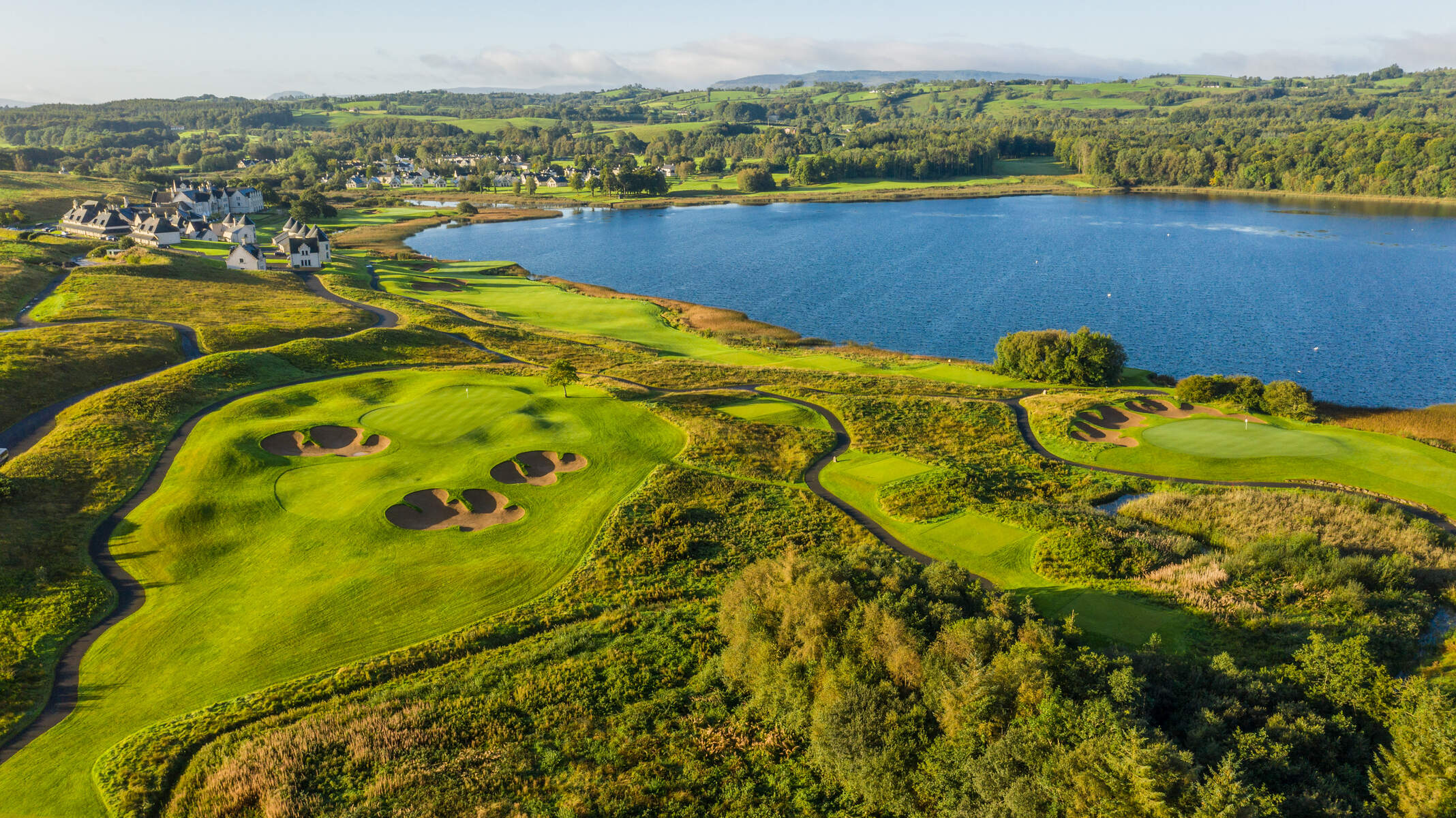
Tully Castle sits on the southern shore of Lower Lough Erne, a striking ruin of a fortified house and bawn that once belonged to the Scottish planter Sir John Hume. The site is set on Tully Point, a small peninsula that juts into the lough, providing dramatic water‑front scenery and a sense of isolation that still echoes the castle’s turbulent past. Today the castle is a State Care Historic Monument, managed by the Northern Ireland Environment Agency, and it forms part of the wider Fermanagh Lakelands heritage trail.
History
The castle was erected in the early 17th century during the Plantation of Ulster, a period when English and Scottish settlers were granted lands formerly held by Gaelic chieftains. Sir John Hume, a Scottish planter, commissioned the fortified house as a symbol of his new status and as a defensive stronghold on the frontier of the plantation.
The most dramatic episode in the castle’s history unfolded during the Irish Rebellion of 1641. On Christmas Eve, rebel leader Rory Maguire, seeking to reclaim his family’s ancestral lands, arrived with a sizeable force. The castle was occupied mainly by women and children; most of the men were away. Lady Mary Hume negotiated a surrender, believing she had secured safe conduct for those inside. The next day, however, the Maguires broke the agreement, setting fire to the house and killing around 60 women and children and 15 men. The Hume family never returned, and the building fell into ruin, never to be re‑inhabited.
What to See & Do
Ruins and Landscape
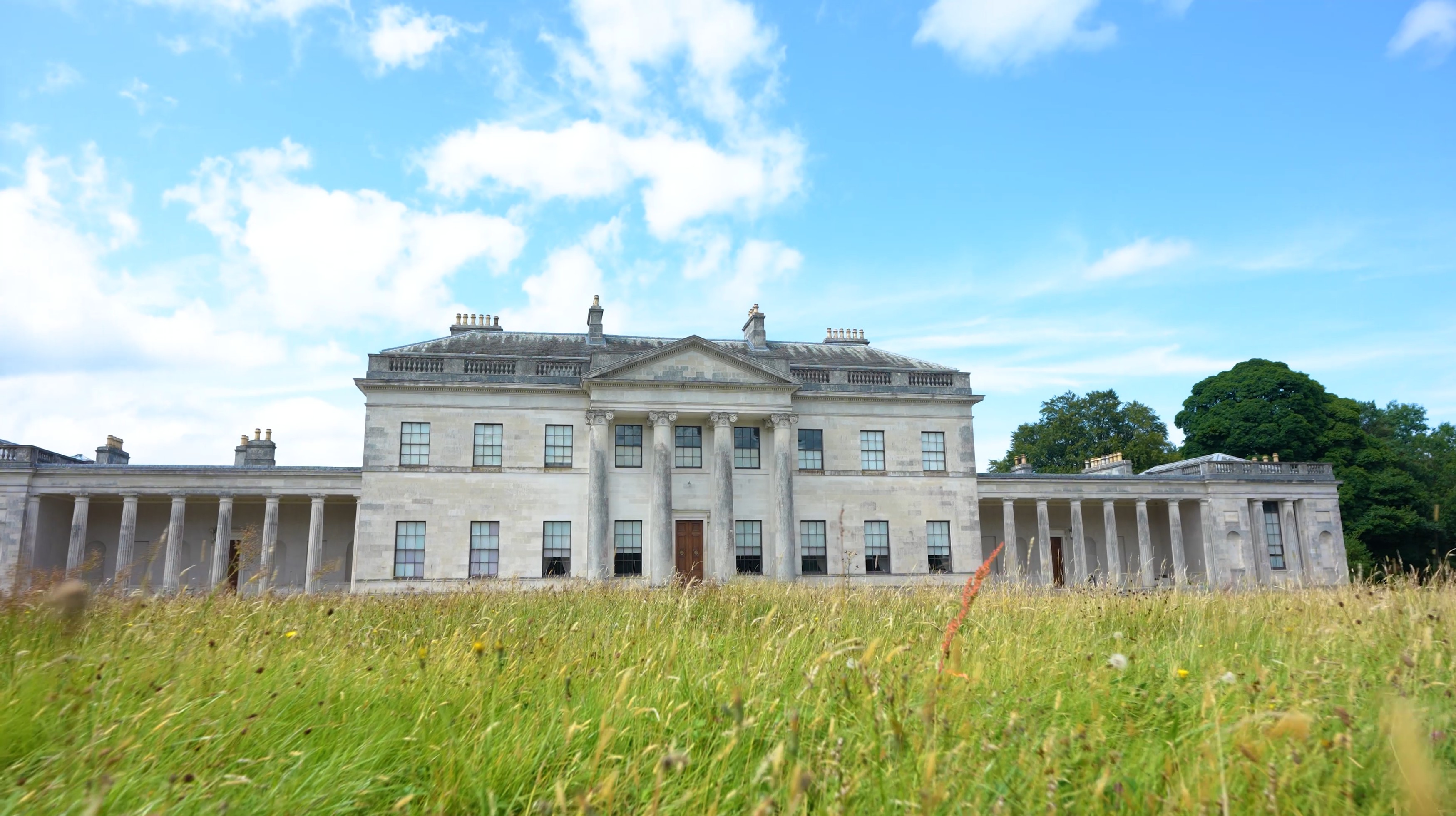
The stone walls of the bawn and the remnants of the fortified house still dominate the site, offering a tangible connection to the 17th‑century architecture. From the ruins you can enjoy panoramic views across Lower Lough Erne, spotting nearby islands such as Heron, Gay and Inishmakill. The surrounding countryside is a patchwork of mixed woodland and open fields, ideal for quiet contemplation.
Visitor Centre and Exhibition
A restored farmhouse near the castle now houses a small visitor centre. Inside, an interactive exhibition tells the story of the Hume family, the 1641 massacre, and the broader plantation history of the Erne region. Artefacts, interpretive panels and audio‑visual displays bring the past to life for all ages.
Tully Castle Walk
For those who enjoy a gentle stroll, the Tully Castle Walk is a 1‑mile (1.5 km) circular route graded as easy. The path follows a mostly forested track, looping past the ruins, the exhibition building, and a traditional Irish cottage. While the walk is not wheelchair‑accessible, it is well‑marked and suitable for most walkers. Along the way, you’ll encounter a boat jetty and a picnic area, making it a pleasant spot for a short break.
Bird‑watching and Nature
The lough’s shoreline is an important habitat for a variety of wild birds. During migration seasons, you may spot waders, gulls and ducks feeding near the water’s edge. The surrounding woodlands also support a range of flora and fauna, adding a natural dimension to the historic experience.
Practical Information
Opening Hours
| Season | Days | Hours |
|---|---|---|
| Winter (December‑February) | Sunday | 12:00 – 16:00 |
| All other days | – | Castle grounds open year‑round (no formal opening hours) |
Admission
| Visitor type | Fee |
|---|---|
| General public | Free |
| Group tours | Free (pre‑booking recommended during peak periods) |
Facilities
- On‑site car parking (including disabled spaces nearer the exhibition centre).
- Toilets available near the visitor centre.
- Picnic area and boat jetty.
- No unaccompanied children under 16 are permitted on the site.
Accessibility The main car park includes disabled bays, and the visitor centre entrance is level. However, the historic walk around the ruins is not wheelchair‑accessible due to uneven ground and narrow tracks.
Getting There The castle is accessed via the A46 (Lough Shore Road) from Enniskillen, heading towards Belleek for about 10 miles. Turn right at the Tully Castle sign and follow the lane for roughly half a mile to the second, wider car park – the preferred entry point for coaches and larger vehicles. The visitor centre lies a short walk from the parking area.
Contact
- Phone: +44 (0) 28 9082 3207
- Website: Discover Northern Ireland – Tully Castle
Coordinates: 54.45779, -7.80549
Plan your visit to Tully Castle to step back into a pivotal chapter of Irish history while enjoying the tranquil beauty of Lower Lough Erne. Whether you’re a history enthusiast, a casual walker, or a family looking for a free outdoor attraction, the site offers a compelling blend of story and scenery.