
Overview
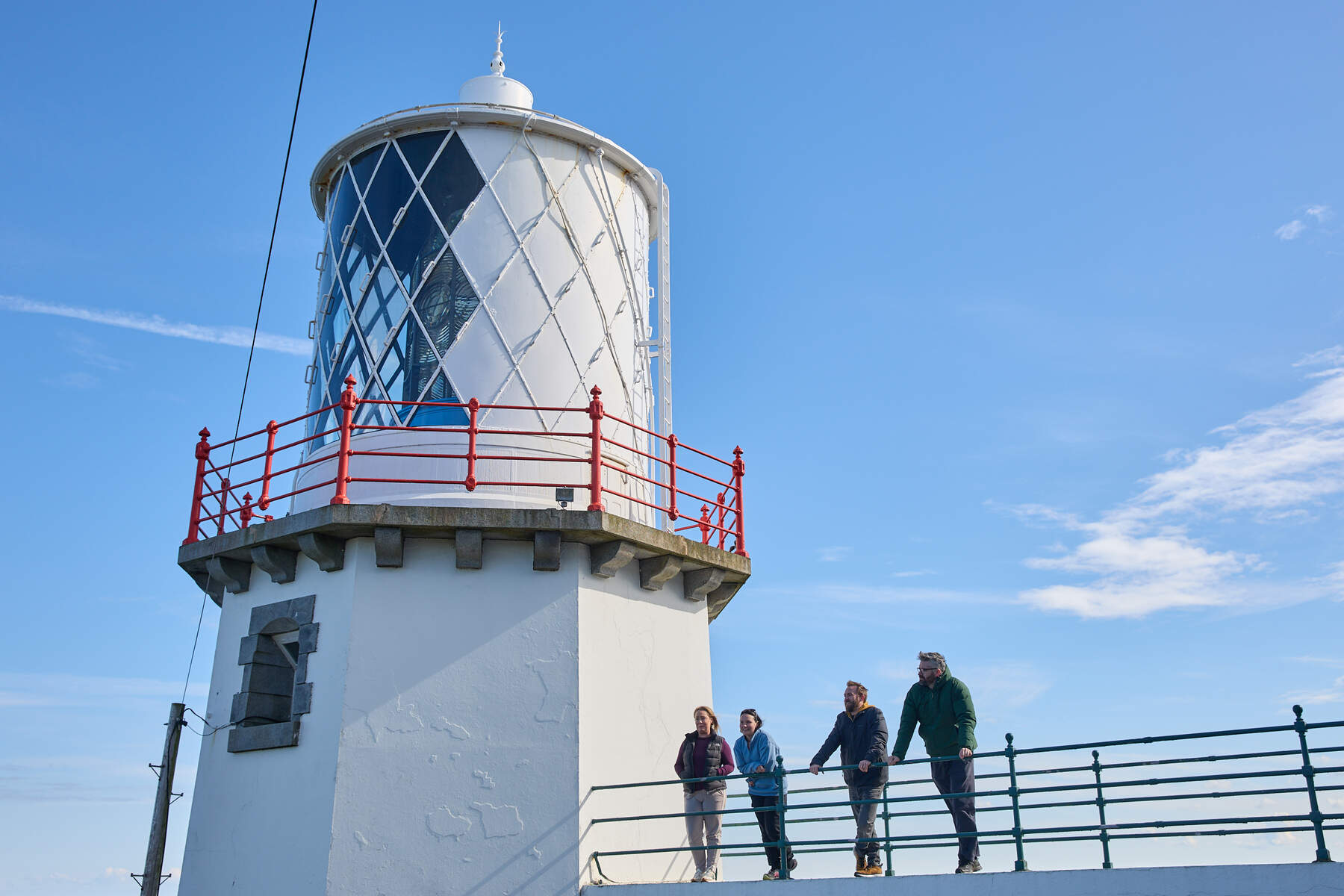
Tusker Rock Lighthouse crowns a jagged cluster of rocks 11.3 km (7 mi) off the south‑east tip of County Wexford. The white‑washed granite tower rises 34 m from the sea‑washed base, its lantern perched 33 m above high water. With a flashing white characteristic every 7.5 seconds and a range of 24 nautical miles, the light remains a vital aid to navigation for vessels entering Rosslare Harbour and the wider Irish Sea.
The lighthouse sits on a rock that has claimed more ships than any other Irish coastal feature – 176 wrecks are recorded in the Irish Wrecks Online database. Its remote position, stark silhouette and the surrounding shallow waters of Wexford Harbour give the site a haunting beauty that can be admired from the Rosslare‑Fishguard ferry or, for the adventurous, a specialised boat tour.
History
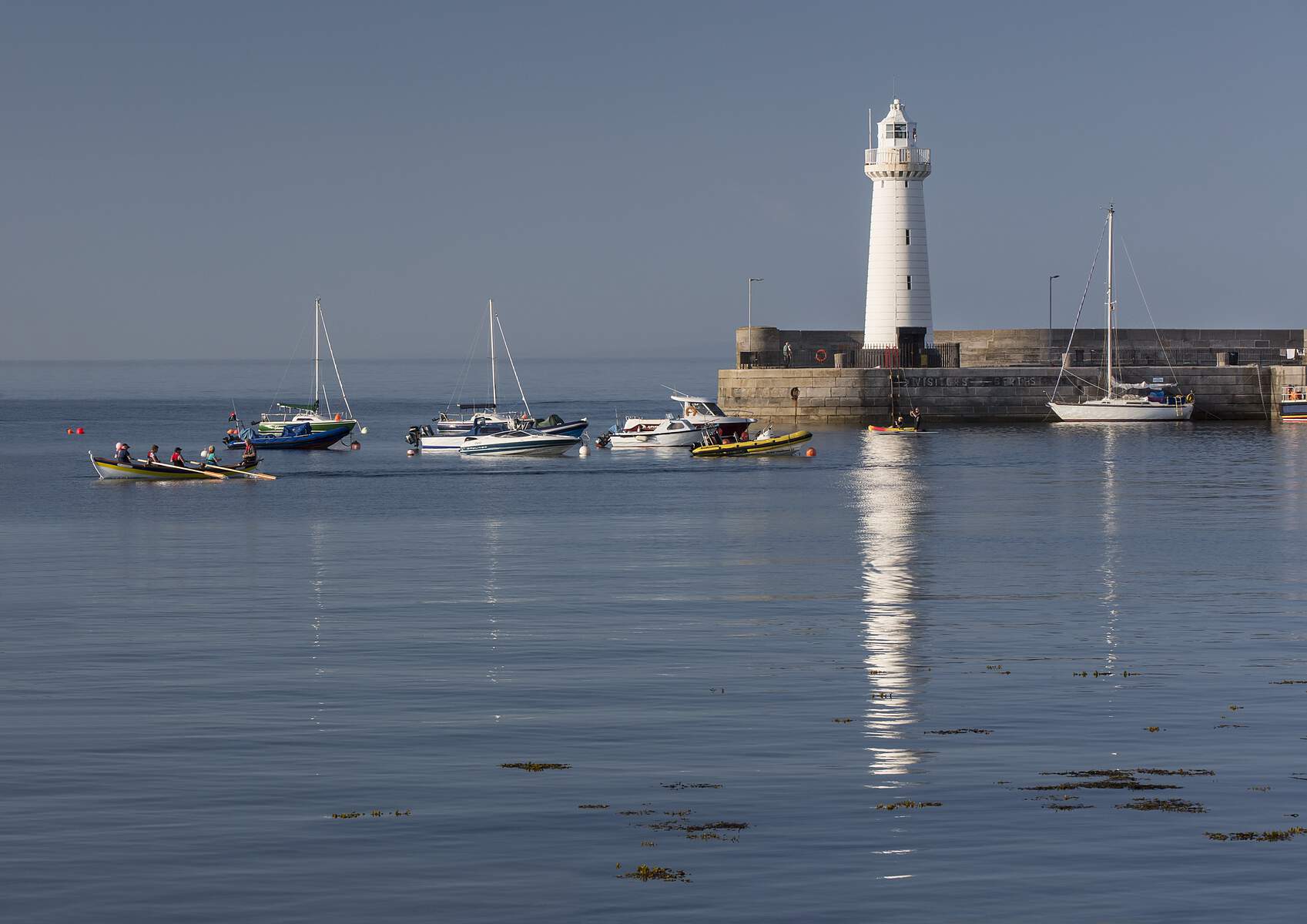
The story of Tusker Rock begins with a Viking name – tu (large) + skar (rock) – reflecting the Norsemen who once used the nearby harbour as a trading post. In the early 19th century the Board of Trinity House recognised the danger the rocks posed to shipping and, after a survey by Inspector George Halpin in 1811, approved a lighthouse design modelled on South Stack (Anglesey) and Kilwarlin.
Construction started in 1812 on a wave‑washed outcrop. A ferocious October storm washed away temporary barracks and claimed ten workmen; the remaining fourteen clung to the slick stones for two days before rescue. A second tragedy struck in August 1814 when a stone‑cutter fell 22 m to his death. Despite these setbacks the tower was completed and first lit on 4 June 1815.
The original first‑order catoptric optic, supplied by G. Robinson of London, displayed two white and one red flash every two minutes. A half‑minute fog bell complemented the light. In 1821 a smuggling scandal saw the two keepers fall asleep while a French brig’s contraband lay on board – the incident led to the demotion of Principal Keeper Michael Wisheart and the dismissal of Assistant Keeper Charles Hunter.
Throughout the 19th century the lighthouse evolved: the bell was replaced by an explosive fog signal in 1879, later by an electric horn in 1978, and the original granite lantern was recast in cast‑iron during the 1885 refurbishment. Electrification arrived on 7 July 1938, making Tusker the first offshore Irish lighthouse to run on electricity. A radio beacon (Morse ‘T’) was added in 1938, later upgraded to continuous transmission in 1953, before being discontinued in 1999. A radar beacon (Racon) was installed on 6 August 1969.
World War II brought a new hazard: a drifting mine struck the rock on 2 December 1941, injuring assistant keeper William Cahill and killing Patrick Scanlan. The lighthouse survived, and helicopter reliefs began in 1969, with a concrete helipad built in 1972. Automation arrived on 31 March 1993, ending the era of resident keepers.
The surrounding waters also witnessed tragedy: on 24 March 1968 Aer Lingus Flight 712 crashed into the sea near Tusker Rock, killing all 61 aboard.
Replica at Ashfield Cross Roundabout
In 2023 Wexford County Council commissioned a hot‑dip‑galvanised replica of Tusker Rock Lighthouse to be installed on the Ashfield Cross roundabout outside the town of New Ross. Local artist and welder Damian McAleenan fabricated the structure in partnership with Galco Waterford. The replica incorporates three sets of notches on its doors: 61 notches honour the victims of the 1968 air disaster, 15 mark the construction‑workers who died in the 1812 storm, and a single notch commemorates the keeper killed by the 1941 mine. The monument serves as a visible reminder of the lighthouse’s maritime legacy and is a convenient spot for a quick photo‑op for road‑trippers.
What to See & Do
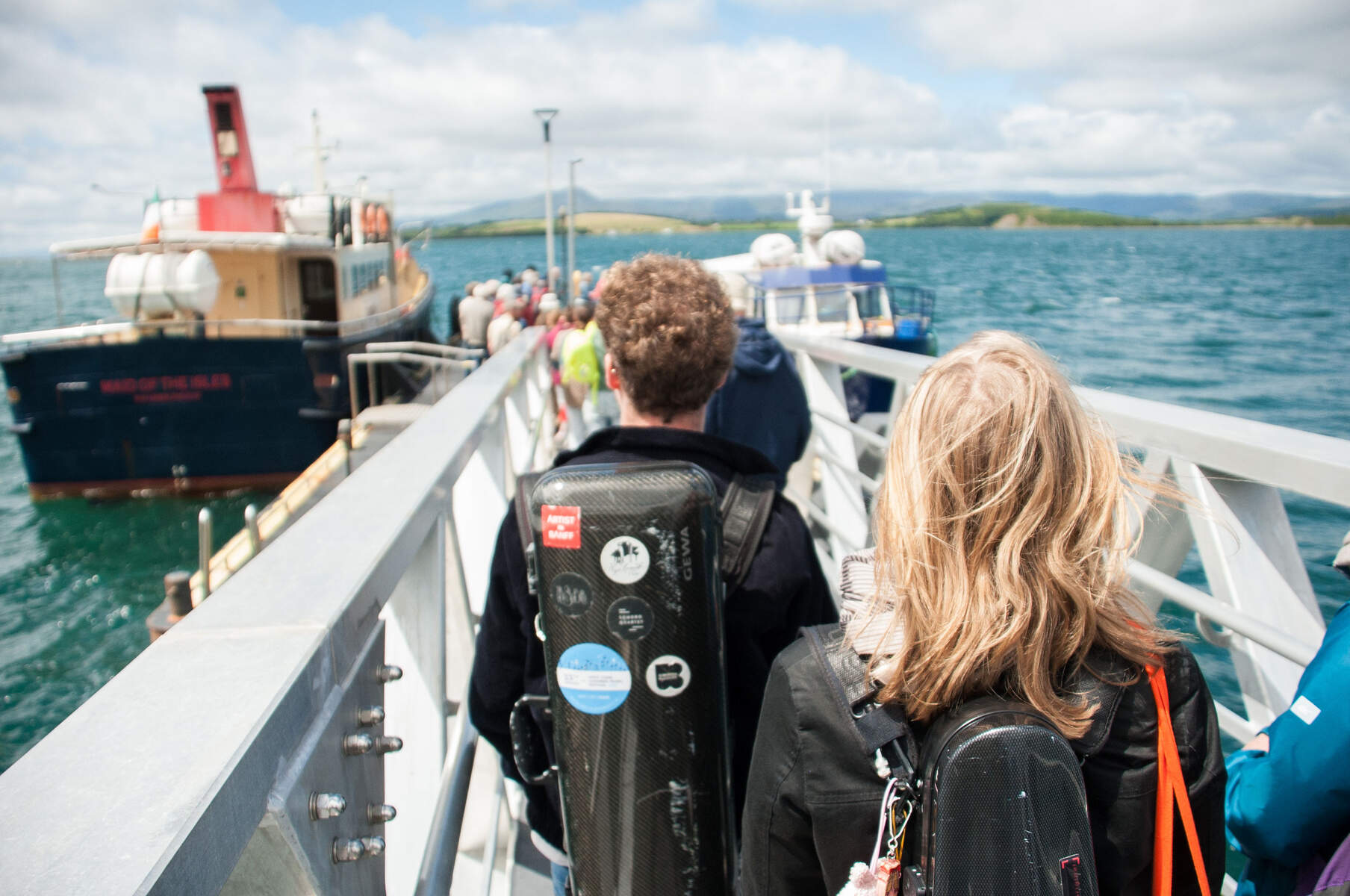
While the tower itself is not open to the public, its dramatic presence dominates the seascape and offers several photographic opportunities:
- From the water: The Rosslare‑Fishguard ferry passes within a few kilometres of the rock, providing a clear view of the lantern against the Atlantic‑Irish Sea horizon. Early morning light often highlights the tower’s white façade.
- From shore: St Helen’s Pier at Rosslare offers a distant but striking silhouette, especially at sunset when the sky turns pink and the lighthouse’s flashing white light begins its 7.5‑second rhythm.
- Golf viewpoint: The nearby St Helen’s Bay Golf Resort’s 17th and 18th holes run alongside the beach, giving golfers and visitors sweeping views of Tusker Rock Lighthouse across the water.
- Walking routes: The annual Wexford Walking Festival includes the Carnsore Point Trail, a 7 km walk that follows the coastline under the “watchful eye” of Tusker Rock. The trail passes St Helen’s Pier, offers bird‑watching opportunities and finishes at the Carnsore Point lighthouse ruins. Details are on the festival website and the trailhead is sign‑posted at Carne Holiday Park.
- Heritage talks: The Wexford Heritage Centre occasionally runs talks on Tusker Rock’s shipwrecks and the 1968 air disaster. Check their schedule for special events.
- Boat tours: Private operators such as Harbour Thrills can arrange bespoke trips that bring you within a kilometre of the tower. These tours are weather‑dependent and usually run from Rosslare Harbour.
| Feature | Detail |
|---|---|
| Tower Height | 34 m |
| Light Elevation | 33 m above high water |
| Light Character | Q (2) W 7.5 s |
| Range | 24 nm |
| Construction | Granite, 1812‑1815 |
| Automation | 31 Mar 1993 |
| Coordinates | 52°12.175’ N 06°12.445’ W |
Recent Maritime Incidents & Safety
The waters around Tusker Rock remain busy and occasionally hazardous. In March 2006 the oil tanker Breaksea lost power and drifted towards the lighthouse. The vessel, carrying 1,500 tonnes of kerosene, was rescued by the Kilmore Quay and Rosslare lifeboats and towed away by the Irish Naval Service ship LE Aoife. The incident underscores the continuing importance of the lighthouse’s navigation aid and the need for caution when sailing near the rock, especially in rough Atlantic weather.
Practical Information
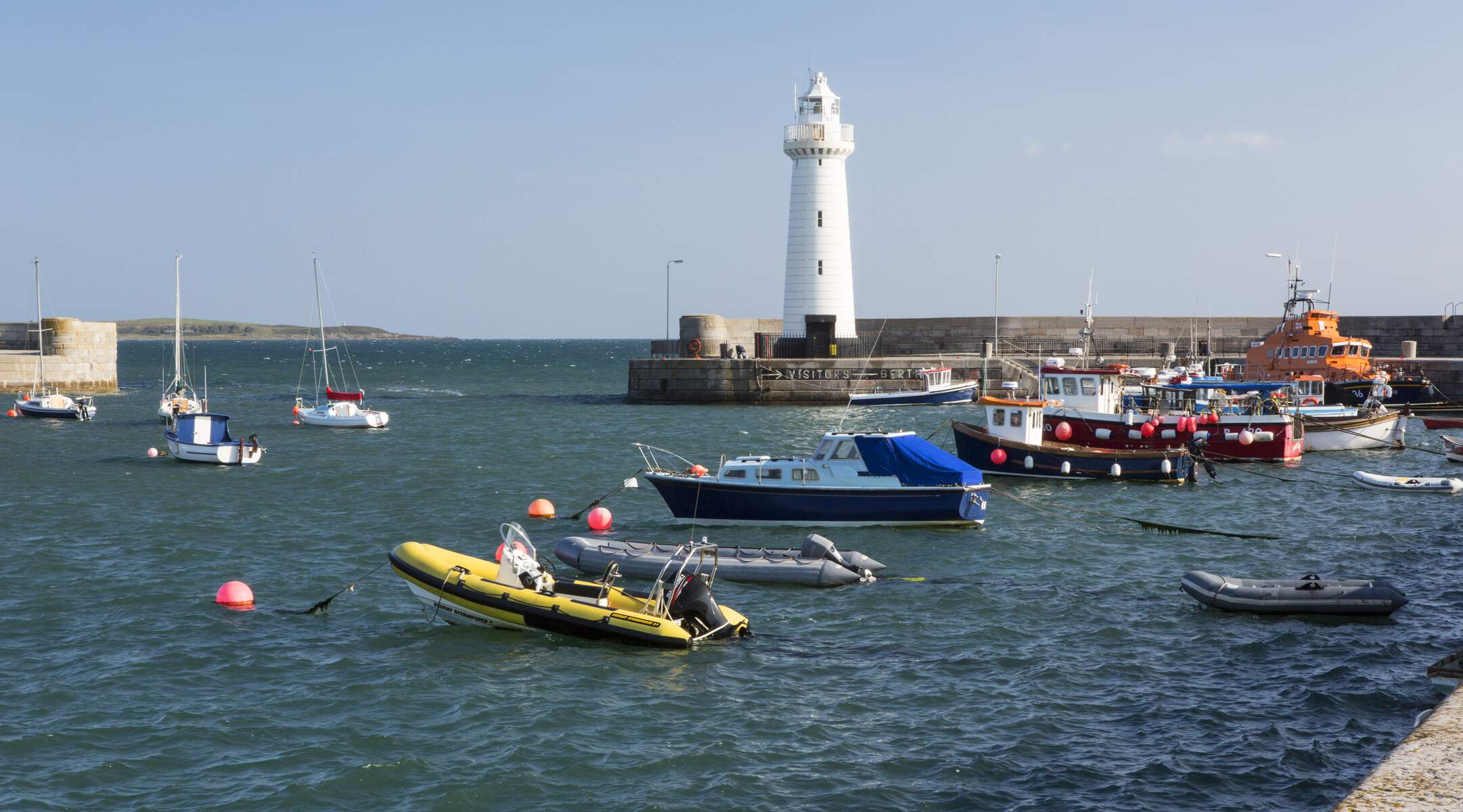
Access by sea – The Rosslare‑Fishguard ferry provides the most reliable public view of the lighthouse. Private boat trips can be booked with local operators; weather conditions can affect availability.
Access by land – Parking is available at Rosslare Harbour (free, with a short walk to St Helen’s Pier) and at the St Helen’s Pier car park. Both sites are reachable by foot from the town centre and are served by local bus routes from Rosslare Europort and Wexford town.
Public transport – Rosslare Europort railway station connects to Dublin, Cork and Waterford; regular bus services run between the station and Rosslare town centre.
Visitor facilities – There are cafés and toilets at Rosslare Harbour and St Helen’s Pier. No admission fee is charged for viewing the lighthouse from the sea or shore, but landing on the rock is prohibited.
Further information – The Commissioners of Irish Lights maintain a technical sheet for Tusker Rock Lighthouse on their website. For up‑to‑date weather and sea‑state information, consult Met Éireann’s marine forecasts before setting out on a boat.
Coordinates: 52.20292 N, ‑6.20742 W (use these in a GPS device to pinpoint the rock).
Website: Commissioners of Irish Lights – Tusker Rock
Visiting tip: While there is no admission fee, the lighthouse can only be viewed from a distance; there is no landing permission for the public. Photographers should plan for the prevailing Atlantic weather – the sea can be rough, and the lighthouse is often shrouded in mist, adding to its atmospheric appeal.
Tusker Rock Lighthouse stands as a testament to engineering bravery, maritime tragedy, and the relentless power of the Irish Sea. Whether you’re a history buff, a lighthouse enthusiast, or simply chasing a striking seascape, a glimpse of this white‑washed sentinel will linger long after you’ve left the coast.