
Overview
Nestled in the leafy Botanic Gardens of Belfast, the Ulster Museum is the largest museum in Northern Ireland, boasting around 8,000 sq m of public display space. Its collections span fine and applied art, archaeology, ethnography, natural history and geology, giving visitors a panoramic view of the past, present and future. Entry is free and no pre‑booking is required, making it an ideal stop for a relaxed cultural afternoon.

History
The institution began in 1821 as the Belfast Natural History Society and opened its first exhibitions in 1833. An art gallery was added in 1890 and, after several name changes, the museum moved to its present Botanic Gardens site in 1929, housed in a building designed by James Cumming Wynne. In 1962 the Museum Act formally recognised it as a national museum and a striking Brutalist extension, designed by Francis Pym, opened in 1972 – the only completed work of the architect. A major £17 million refurbishment, funded by the Heritage Lottery Fund and DCAL, closed the museum in 2006 and it reopened in October 2009, exactly eighty years after its original opening. The revamp introduced a new visitor flow, modern exhibition spaces and the award‑winning Wynne & Pym café.
What to See & Do
Art and Design
The art galleries showcase works by Irish and international masters, including pieces by Francis Bacon, Jean Dubuffet, Morris Louis and Karel Appel. The fashion and textiles collection, rebuilt after the 1976 Malone House fire, now features everything from 18th‑century Spitalfields silk gowns to contemporary couture by Alexander McQueen, Vivienne Westwood and JW Anderson. Highlights include a velvet suit worn by the Irish Black Rod in 1751 and a striking linen wall hanging by Henri Matisse.
Archaeology and History
Archaeological treasures tell the story of Ireland from the Neolithic to the medieval period. Visitors can admire the Malone Hoard of 19 polished Neolithic axe heads, the Downpatrick Hoard of Bronze‑Age gold jewellery, Viking artefacts from the Shanmullagh Hoard and a selection of Roman and medieval coins. Spanish Armada artefacts recovered from the galleass Girona (sunk in 1588) are also on display, linking Belfast to a dramatic episode of European maritime history.
Natural Sciences
The natural‑science galleries are a highlight for families. The Window on the World gallery houses Ireland’s only known dinosaur fossil bones, including a 6‑metre‑long Edmontosaurus skeleton and a life‑size Triceratops cast. A polar bear, an Irish wolfhound, a thylacine and a giant squid model sit alongside a slice of meteorite from space. The zoology collection includes the Egyptian mummy Takabuti, a Japanese spider crab and a thylacine skull, while the botanical herbarium holds over 100 000 plant specimens, some dating back to the 1790s.
Interactive Discovery Centres
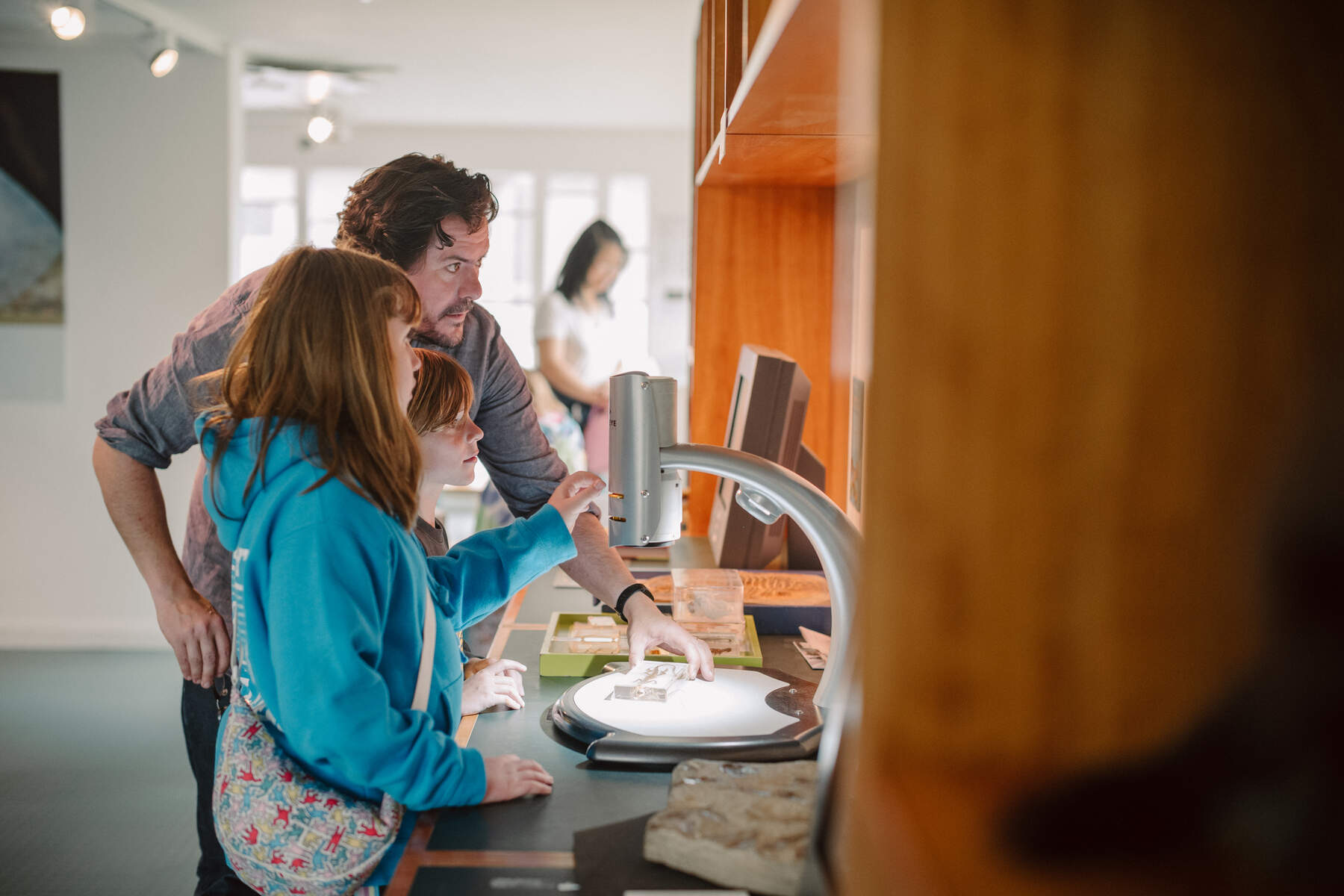
Three Discovery Centres – Discover Art, Discover History and Discover Nature – invite hands‑on exploration. Children can try on historic costumes, design their own dinosaur in the ‘Design‑my‑saurus’ station or create a piece of art to take home. The museum also runs regular talks, workshops and temporary exhibitions, such as the “Ashes to Fashion” show opening 27 February 2026, which celebrates the rebirth of the fashion collection after the 1976 loss.
Amenities
A café, Wynne & Pym, serves light bites and refreshments from 10:00 to 17:00, and a well‑stocked gift shop offers books, toys and museum‑inspired souvenirs. Lockers are available on the ground floor for a £1 non‑refundable charge, and baby‑changing facilities are provided.

Practical Information
Opening Hours
| Day | Open | Close |
|---|---|---|
| Tuesday | 10:00 | 17:00 |
| Wednesday | 10:00 | 17:00 |
| Thursday | 10:00 | 17:00 |
| Friday | 10:00 | 17:00 |
| Saturday | 10:00 | 17:00 |
| Sunday | 10:00 | 17:00 |
| Monday | Closed (except Bank Holidays) | — |
Admission
| Visitor | Price |
|---|---|
| General public | Free |
| Children & Infants | Free |
| Students / Seniors | Free |
Accessibility
The museum is fully accessible, with step‑free entrances, lifts to all exhibition floors and accessible toilets. Detailed information is available on the AccessAble guide: https://www.accessable.co.uk/belfast-city-council/access-guides/ulster-museum.
Getting There
The museum is a short walk from Botanic Station on the NI Railways network (approximately 800 m). Several bus routes stop nearby, and street parking is available on surrounding streets (parking charges may apply). For those travelling by car, the address is Botanic Gardens, Belfast, BT9 5AB.
Visitor Services
- Guided tours are available on request.
- Free Wi‑Fi throughout the building.
- Toilets, baby‑changing facilities and a cloakroom are on the ground floor.
- Dogs are accepted by arrangement.
For the latest exhibition programme and to plan your visit, see the official site: https://www.ulstermuseum.org/.
Whether you are a family looking for an engaging day out, an art enthusiast, or a history buff, the Ulster Museum offers a richly layered experience that can easily fill two to three hours of discovery.