
Overview
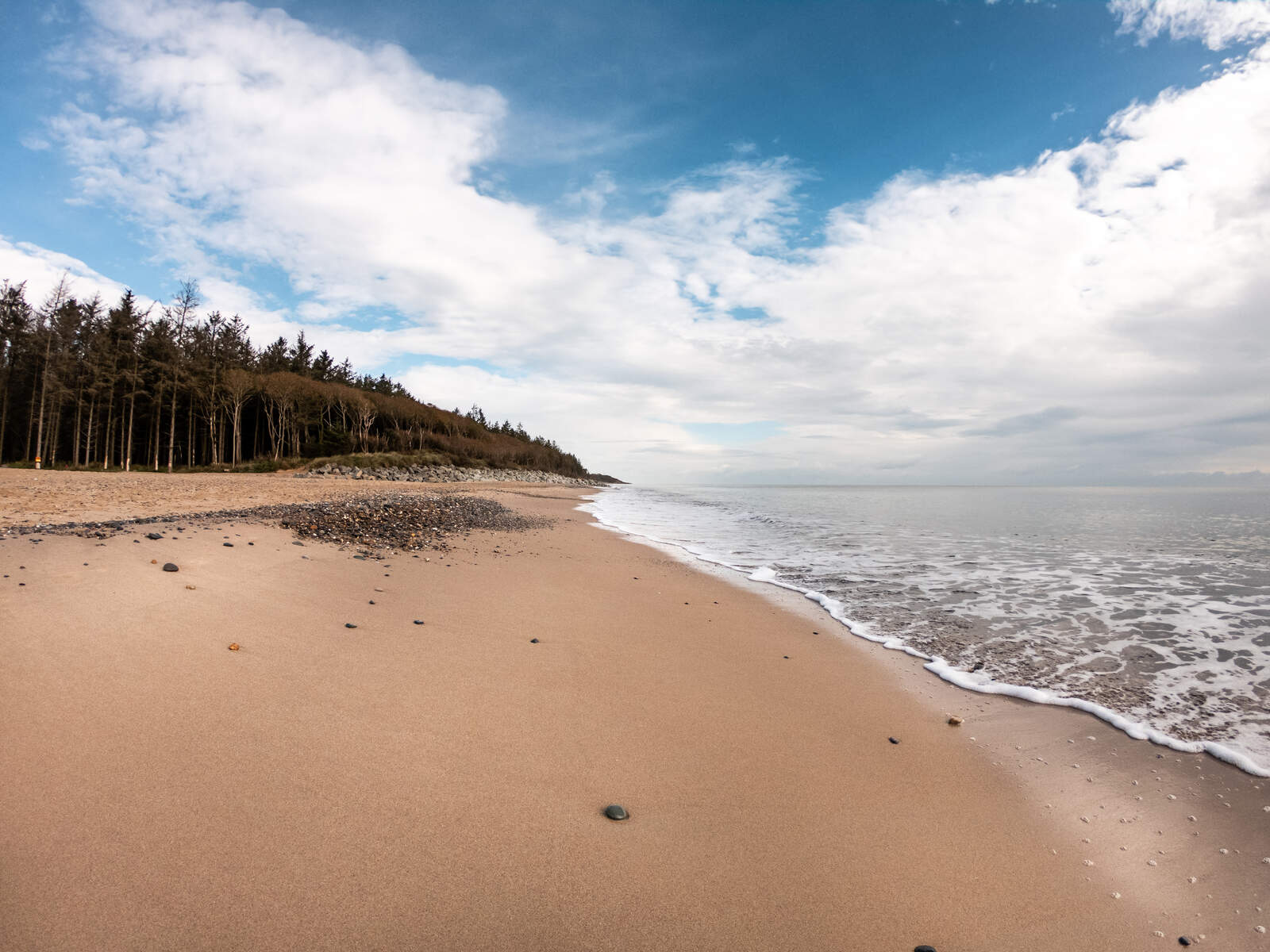
Wexford Bay hugs the south‑eastern edge of Ireland’s Ancient East, forming a sweeping inlet that embraces the towns of Wexford, Rosslare and Duncannon. Its 273 km of shoreline is a patchwork of golden dunes, rugged headlands and sheltered coves, each with its own character. The bay is not just a postcard view – it is a living landscape where history, wildlife and adventure intertwine. Whether you arrive by car, bike or a leisurely ferry crossing, the bay welcomes you with open waters, soft sand and a sense of timelessness.
History & Background

The waters of Wexford Bay have witnessed millennia of human activity. In 1170 the Normans landed at Baginbun Beach, establishing a foothold that would shape the region’s future. Over the centuries the inlet served as a strategic naval base; the Hook Peninsula is dotted with early‑19th‑century Martello towers and the 16th‑century Duncannon Fort, both built to guard the entrance to the bay.
During the 20th century the bay entered popular culture when Hollywood chose Ballinesker Beach as the stand‑in for Omaha Beach in Saving Private Ryan. Today the Raven Nature Reserve protects a mosaic of dunes, grassland and woodland that has survived since the last Ice Age, offering a glimpse of the landscape that early settlers would have known.
Flora & Fauna
The Raven Nature Reserve is a haven for wildlife. Its shifting dunes support specialised plants such as marram grass and sea lavender, while the inland grasslands host butterflies like the small tortoiseshell. Birdwatchers can spot waders and gulls year‑round, with migratory species such as the bar-tailed godwit passing through in spring and autumn. The coastal scrub provides shelter for foxes and hares, making the reserve a valuable biodiversity hotspot within the bay’s human‑shaped environment.
What to See & Do
Beaches and Coastal Walks
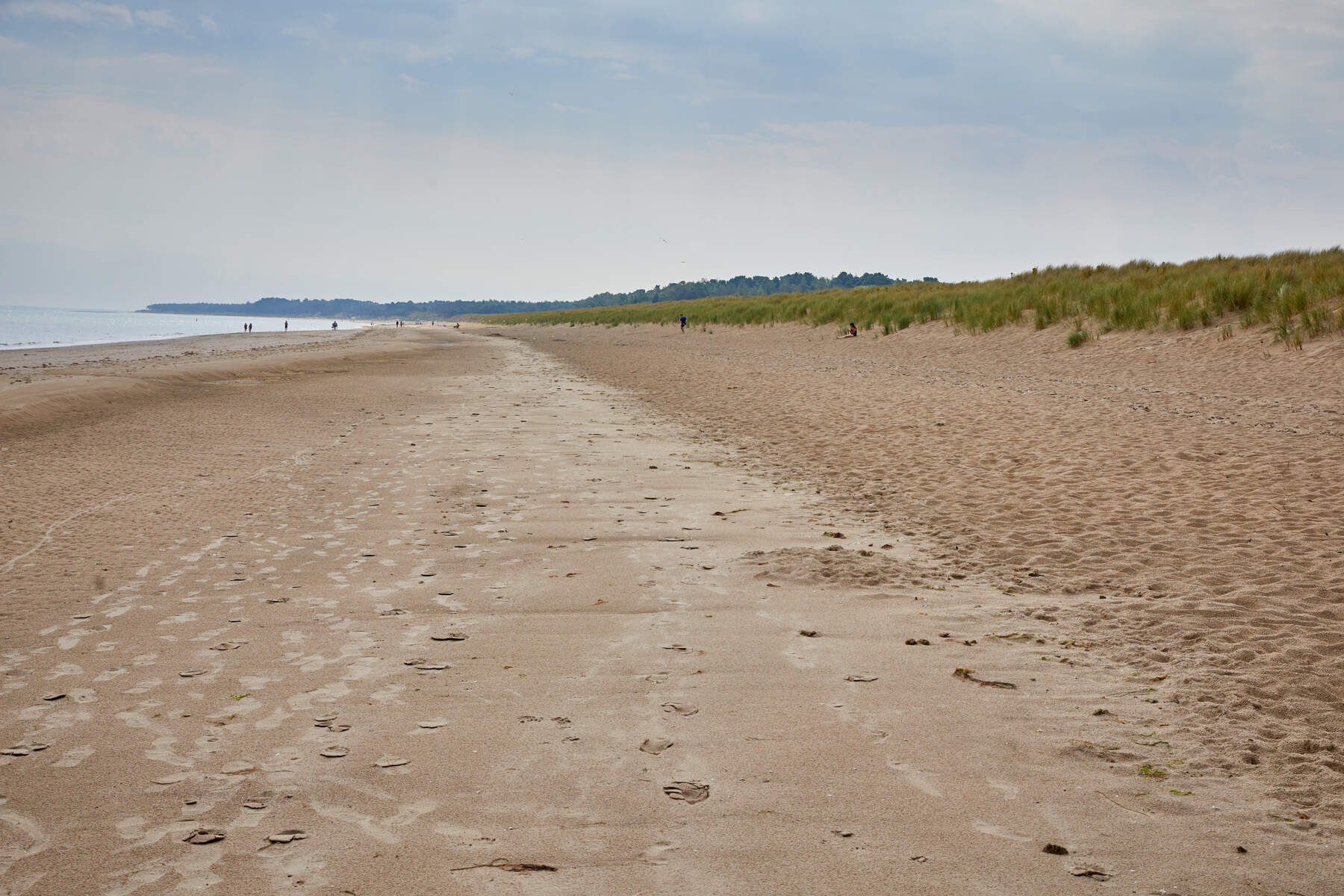
- Curracloe Beach – With its fine, soft sand and an 11 km stretch, Curracloe is a favourite for walkers, beach‑horse riders and surf‑seekers. The adjacent Raven Loop walk weaves through dunes, pine forest and the reserve, offering panoramic sea views and opportunities for bird‑watching.
- Ballinesker Beach – Known worldwide as the stand‑in for Omaha Beach in Saving Private Ryan, this spot provides a dramatic backdrop for photography and a convenient car‑park with 500 spaces.
- Morriscastle, Ballymoney and Duncannon Beaches – All Blue Flag or Green Coast award winners, these beaches boast clean water, lifeguard patrols in summer and facilities such as toilets, cafés and surf shacks.
- Raven Point Wood Trail – A low‑level, 10 km walk that combines forest, dunes and a sand spit at Curracloe, offering a unique blend of woodland shade and sea breezes.
Walking & Cycling
- Raven Loop – A 7 km circular route that starts at Curracloe, traverses the nature reserve and returns via the White Gap. Sign‑posted and largely flat, it is suitable for families and wheelchair users.
- Cahore Cliff Walk – A dramatic 5 km coastal path from Cahore Point to Curracloe, featuring sheer sea‑cliffs, hidden coves and occasional sea‑bird nesting sites.
- Hook Peninsula Coastal Path – Extends from Fethard‑on‑Sea to the tip of the peninsula, passing Martello towers and offering sweeping views of the bay. The route is popular with cyclists; the Waterford Greenway connects to the western edge of the peninsula for a longer, traffic‑free ride.
Water‑Based Adventures
- Sea‑Cave Kayaking on the Hook Peninsula – Paddle among hidden coves, limestone cliffs and rugged rock formations with local guides from The Irish Experience in Fethard‑on‑Sea. The experience showcases the bay’s geological diversity and abundant marine life.
- Surfing and Kite‑Surfing – Duncannon Beach and the open stretches around Hook Peninsula provide reliable Atlantic swells for both beginners and seasoned surfers. The Surf Shack at Curracloe rents boards and offers lessons.
- Shore Fishing – The long, sandy expanses of Curracloe, Ballinesker and the 22 km stretch from Cahore to Curracloe are popular spots for anglers targeting mackerel, pollack and bass.
Equestrian Experiences
- Horse‑Riding on Old Bawn Beach – Soft sands and gentle tides make Old Bawn an ideal arena for guided horse rides, a highlight for visitors from the United States and Australia who seek a quintessential Irish coastal experience.
Heritage Sites
- Duncannon Fort – Overlooking the southern mouth of the bay, the 16th‑century fort offers guided tours that explore the military history of the region.
- Martello Towers – Scattered along the Hook Peninsula, these early‑19th‑century defensive structures are accessible via short walks and provide striking views of the bay.
Practical Information
Wexford Bay is freely accessible; there is no admission fee for any of its beaches or walking routes. Parking is available at most major beaches – for example, Curracloe offers three access points (Ballinesker, White Gap and Culleton’s Gap) with ample car‑park space, while Ballymoney and Duncannon have smaller, pay‑and‑display lots that fill quickly in peak summer.
Getting there – The bay is well‑served by the N25 and R734 regional roads. From Dublin, the drive takes roughly two hours via the M11. Public transport options include Bus Éireann routes to Wexford town and Rosslare, with local taxis available for short hops to more remote coves. The nearest rail station is Wexford Railway Station, and the Rosslare Europort ferry links the area to Wales and mainland Europe.
Facilities – Most larger beaches (Curracloe, Morriscastle, Duncannon) provide toilets, lifeguard stations in summer, and nearby cafés or ice‑cream kiosks. For longer walks, the Raven Loop and Cahore Cliff Walk are clearly sign‑posted, and maps are available at local tourist information centres in Wexford town.
Seasonality – While lifeguards and some amenities operate from late May to early September, the bay remains beautiful year‑round. The quieter off‑season offers unobstructed walks, dramatic winter light on the cliffs and the chance to spot migratory birds.
Safety – Water safety is paramount; always check local conditions before swimming or kayaking. Lifeguard‑patrolled beaches display flags indicating safe swimming zones. For kayaking, local operators provide safety briefings and equipment.
Accessibility – Most car parks and main beach access points have level pathways suitable for wheelchair users, though some of the more secluded coves involve uneven terrain. The Raven Point Wood Trail is a low‑gradient, well‑maintained route that is generally accessible for those with limited mobility.
Nearby towns – Wexford town offers a range of accommodation, from boutique B&Bs to 4‑star hotels such as Ashdown Park. The town’s historic quay, medieval streets and vibrant food scene make a perfect base for exploring the bay.
Sustainable travel – Visitors are encouraged to use the Waterford Greenway or local cycle routes to reduce car usage. Many beaches participate in the Green Coast programme, emphasizing litter‑free policies and habitat protection.
Wexford Bay is a microcosm of Ireland’s coastal splendour – a place where you can wander ancient dunes, paddle into secret sea caves and ride the surf on golden sands, all within a short drive of welcoming towns and historic sites. Whether you’re seeking a relaxed beach day, an active water‑sport adventure or a glimpse into Ireland’s layered past, the bay delivers an unforgettable coastal experience.