
Overview
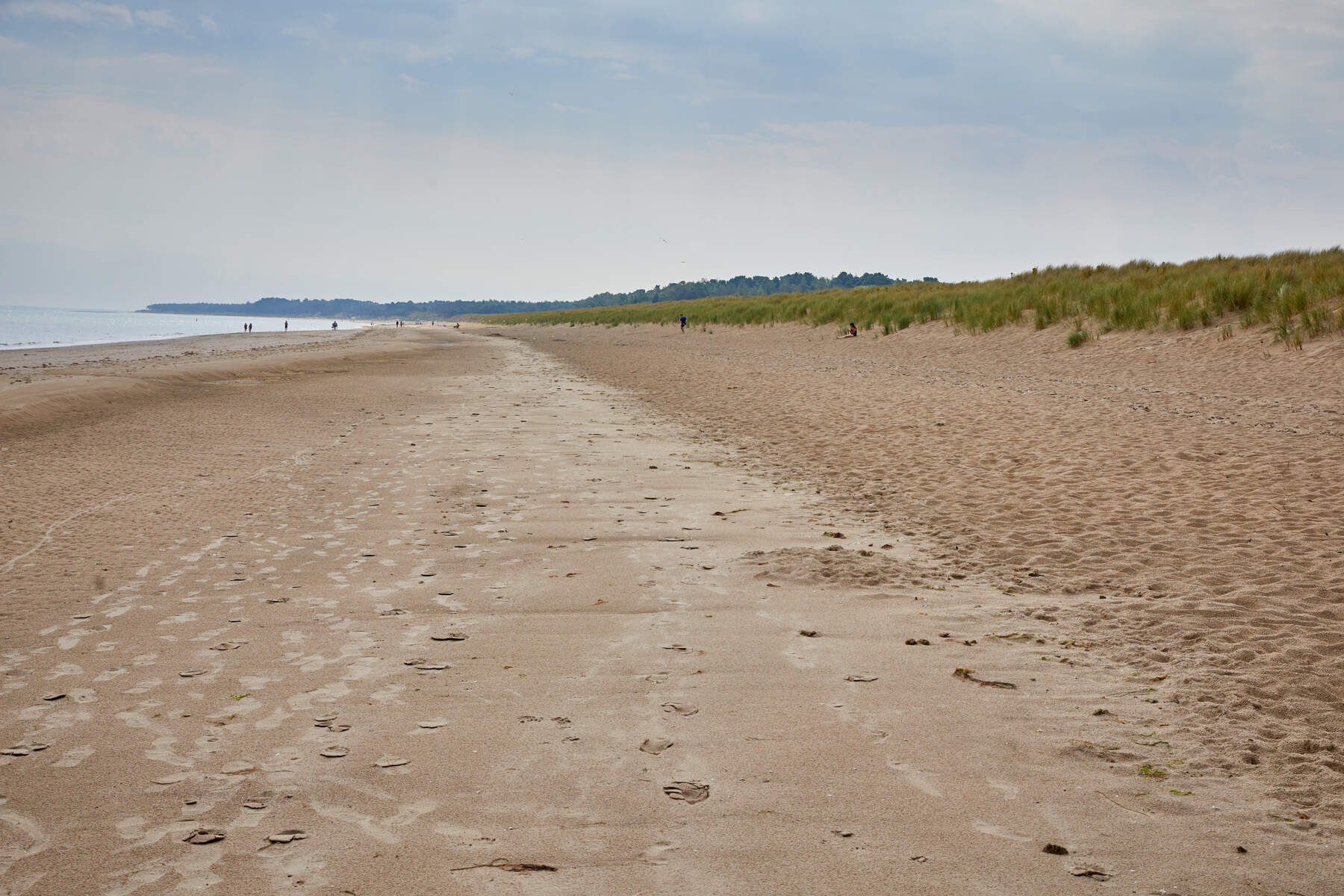
Wexford Harbour (Irish: Loch Garman) sits where the River Slaney meets the Irish Sea, forming a shallow, east‑facing estuary that has defined the town of Wexford for more than a millennium. Today the harbour is a blend of commercial activity – local mussel dredgers and a modest fishing fleet – and public amenity, with a promenade, cafés and a vibrant boat club. The surrounding mudflats, known historically as the North and South Slob, are a haven for waders and waterfowl, and the whole area is designated a Special Protection Area (SPA) for its rich birdlife.
History
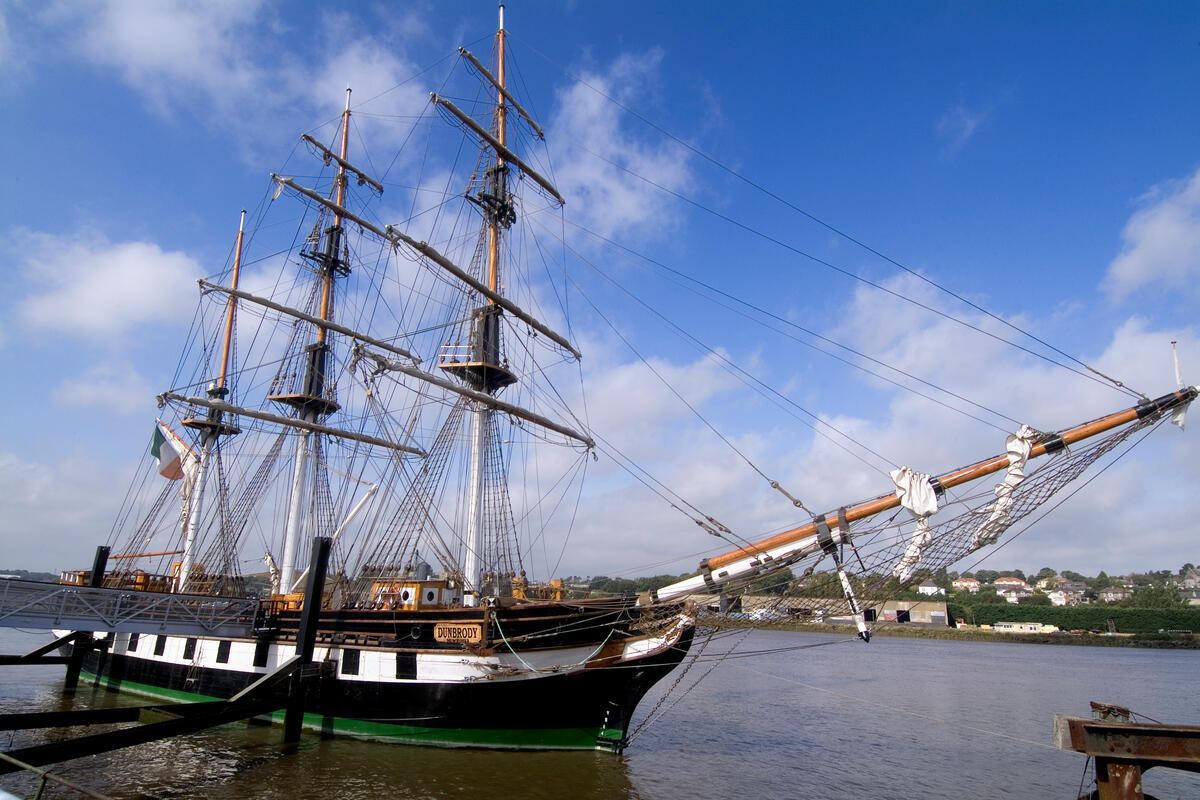
The harbour’s story begins with the Vikings, who arrived in 819 AD and named the settlement Waes Fjord – literally “inlet of the mudflats”. Over the next three centuries the Norse intermarried with the local population, built fortified walls and turned Wexford into a bustling trading post. By the 15th and 16th centuries it was Ireland’s leading fishing port, exporting herring, corn, butter and wool to England, Wales and even the Caribbean.
During the 17‑century privateering boom the harbour became a strategic base for Irish, Flemish and French ships that harassed English merchant traffic. The narrow, sand‑banked channel offered natural protection – larger warships could not easily enter, while shallow‑draft local vessels could slip through.
The 1649 Cromwellian siege marked a dark chapter: after a brief negotiation the town was bombarded, its defenders massacred and the harbour briefly used as winter quarters for the Parliamentarian fleet. Subsequent centuries saw the harbour’s commercial peak in the 18th century, when it handled two million barrels of corn a year and ranked sixth busiest in Ireland. Drainage works in the 19th century reclaimed the surrounding slobs for agriculture, dramatically reducing the harbour’s size and leaving it today as a shallow, silt‑prone inlet.
Key historic structures still survive:
- The Ballast Bank (built 1832) – a protected stone building used for loading ballast.
- Rosslare Point Lifeboat Station (originally 1838, moved to Wexford in 1925) and the modern Wexford Inshore Lifeboat Station (established 2002).
- Commodore John Barry statue on Commercial Quay, honouring the American Navy’s founding father who was born in Wexford.
- Beggerin Island, once a safe haven for early Christian monks, lies just off the southern mouth of the harbour and is mentioned in medieval chronicles.
What to See & Do
Walk the Quay and Watch the Wildlife
The promenade along the western bank offers panoramic views of the mudflats, the historic quay walls and the twin church spires that dominate the skyline. Bird‑watchers can spot species listed in the SPA designation, including Great Crested Grebe, Bewick’s Swan, Little Tern and a host of ducks and waders. The tide‑driven mudflats constantly reshape, creating temporary sand islands that are fascinating to explore at low water.
Sailing and Boating
The Wexford Harbour Boat and Tennis Club runs Irish Sailing Association‑approved courses for beginners to advanced sailors. The club’s clubhouse provides showers, toilets and a small bar, and visitor moorings are available at a modest fee (see Practical Information). For experienced yachtsmen the harbour offers a protected anchorage; the deepest fairway reaches 3.7 m, while most quays accommodate drafts of 1.8 m. A free Wexford Harbour Navigation app (link on the official site) shows real‑time buoy positions and depth updates.
River Cruise Experience
A popular way to discover the estuary is the Three Sisters River Cruise. The 90‑minute guided cruise departs from Wexford Quay opposite the South East Radio building, gliding past the Ballast Bank, the Blackman, the North Slob and on to the seal colony at Raven Point. Tickets are €21 for adults and €10 for children (0‑12 yrs). Onboard commentary covers Viking history, the 1798 rebellion and the harbour’s ecological importance. The upper deck is open‑air; a heated indoor lounge is available for cooler weather. The cruise is a good option for families, senior groups or anyone wanting a concise overview of the harbour’s natural and cultural highlights.
Fishing and Culinary Treats
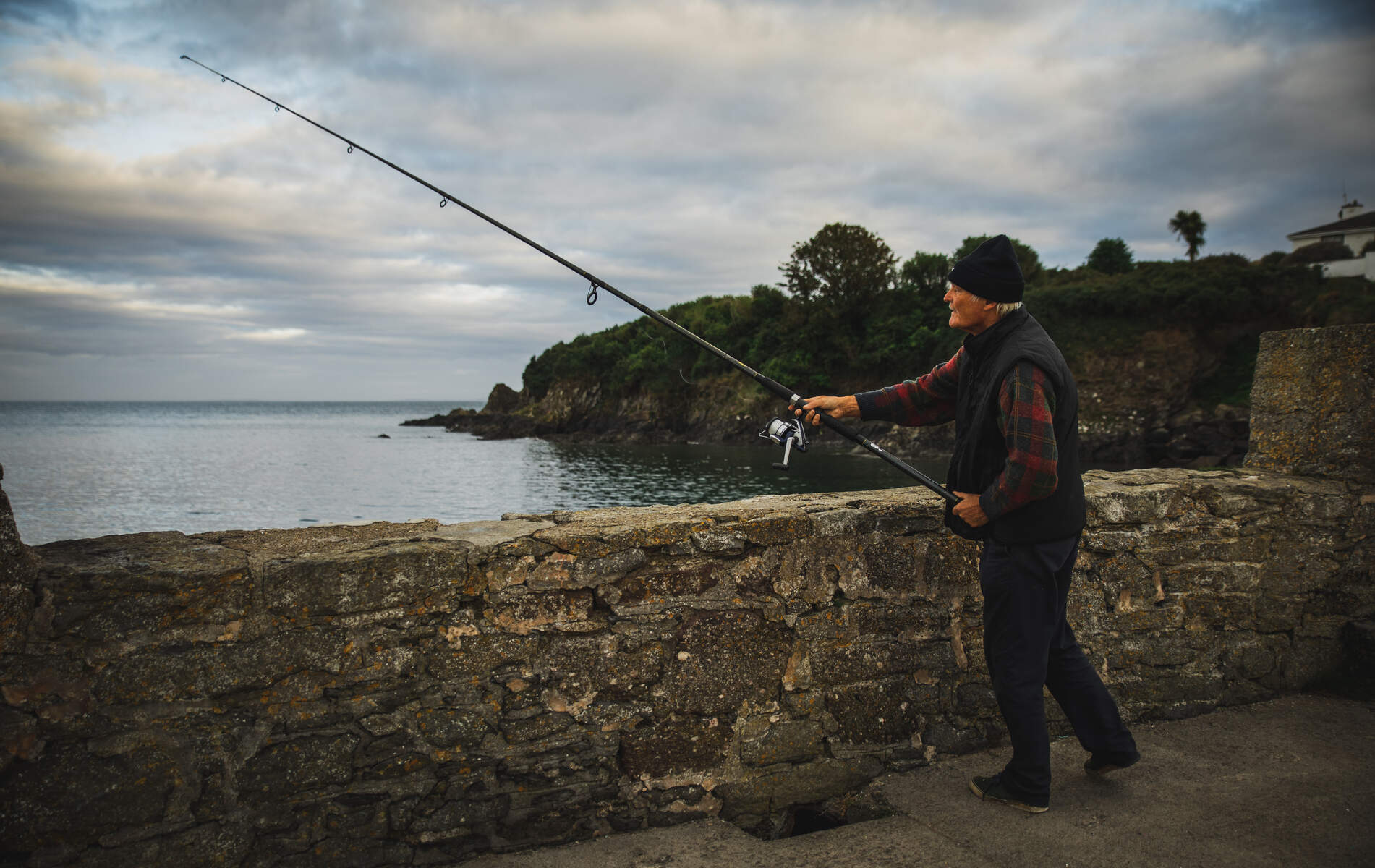
Local fishermen bring in fresh mussels, oysters and herring daily. The quay is lined with seafood cafés where you can sample a plate of Wexford mussels or a traditional fish‑and‑chips wrap while watching the boats come and go.
Heritage Walks
A short stroll from the harbour leads to the Bull Ring, the historic market square where the 1798 rebellion’s pikemen were executed. Nearby are the ruins of Selskar Abbey], the site of the 1172 penance of King Henry II, and the Commodore John Barry statue. The Ballast Bank is a protected structure worth a quick photo stop.
Wildlife Highlights
Beyond the SPA‑listed birds, the estuary supports a variety of mammals. Seals regularly haul out on the sandbanks at Raven Point, and otters have been recorded along the North Slob. Early‑morning walks give the best chance of spotting these charismatic species.
Practical Information
Getting There
- Road – Wexford town is well‑connected via the N25 and N11. Signage to the harbour is clear from the town centre.
- Public transport – Irish Rail serves Wexford station; Bus Éireann and Wexford Bus run regular routes to the town centre and surrounding villages.
- Car hire – Available from Hertz, Enterprise and Budget in town.
Parking
The most convenient car parks are within walking distance of the quay:
- Crescent Car Park (off Crescent Street) – spaces for ~120 cars, fee €2 per hour.
- Paul Quay Car Park – located beside the waterfront promenade, fee €2.50 per hour.
- Redmond Square Car Park – a larger facility with ~200 spaces; pre‑booking is possible via the local council website. Street parking is available on a pay‑and‑display basis throughout the town centre. During peak summer weekends the car parks can fill quickly, so early arrival is advisable.
Contact & Official Site
The harbour’s official website is wexfordharbour.com, which provides up‑to‑date navigation notices, event listings and booking information.
- Phone: +353 (0) 912 2300 or +353 (0) 53 912 9955
- Email: harbourmaster@wexfordcoco.ie
- VHF Channel 12 (Rosslare Radio) can also provide depth information.
Mooring & Fees
| Facility | Fee (per night) | Draft limit |
|---|---|---|
| Visitor moorings (WHBTC) | €10.00 | up to 3 m (tide‑adjusted) |
| Anchoring (no fee) | Free | 0.3 m – 3.7 m |
| Quay berths (commercial) | Charged by the port authority | up to 3 m |
Depth & Navigation
The channel is approximately 5 nm long and shifts with each winter storm. The shallowest point at the bar is about 1.5 m; vessels with a draft greater than 1.8 m should plan to arrive high water minus 2 hours and follow the chain of marked buoys from the Bar Buoy (L Fl 10 s, 52° 19.183’ N 006° 19.453’ W). Strong SE–NE winds can make the bar impassable, so check the latest conditions before departure.
Facilities
Tap water, showers and toilet blocks are available on the quay. A public house and wine bar sit adjacent to the boat club. Fuel can be arranged by bulk tanker; a small slipway is located near the club for dinghies. The harbour is fully wheelchair‑accessible via the main promenade.
Safety
The harbour is considered a 5‑star shelter in calm conditions. Boats should lock up securely and avoid leaving valuables on deck. The inshore lifeboat station operates 24 hours a day.
Nearby Attractions
Within a short drive you can reach Kilmore Quay], the Saltee Islands] bird sanctuary, Hook Lighthouse (the world’s oldest operational lighthouse) and the Irish National Heritage Park] at Ferrycarrig. The neighbouring Courtown] village offers additional dining and beach options.
Best Time to Visit
The harbour is busiest in summer when the fishing fleet is active and the boat club runs its full training programme. Autumn brings spectacular bird migrations, while winter offers quieter walks and the chance to see the mudflats in stark contrast to the sky.
All information is drawn from official harbour sources, the National Parks & Wildlife Service SPA data and historic records.