
Overview
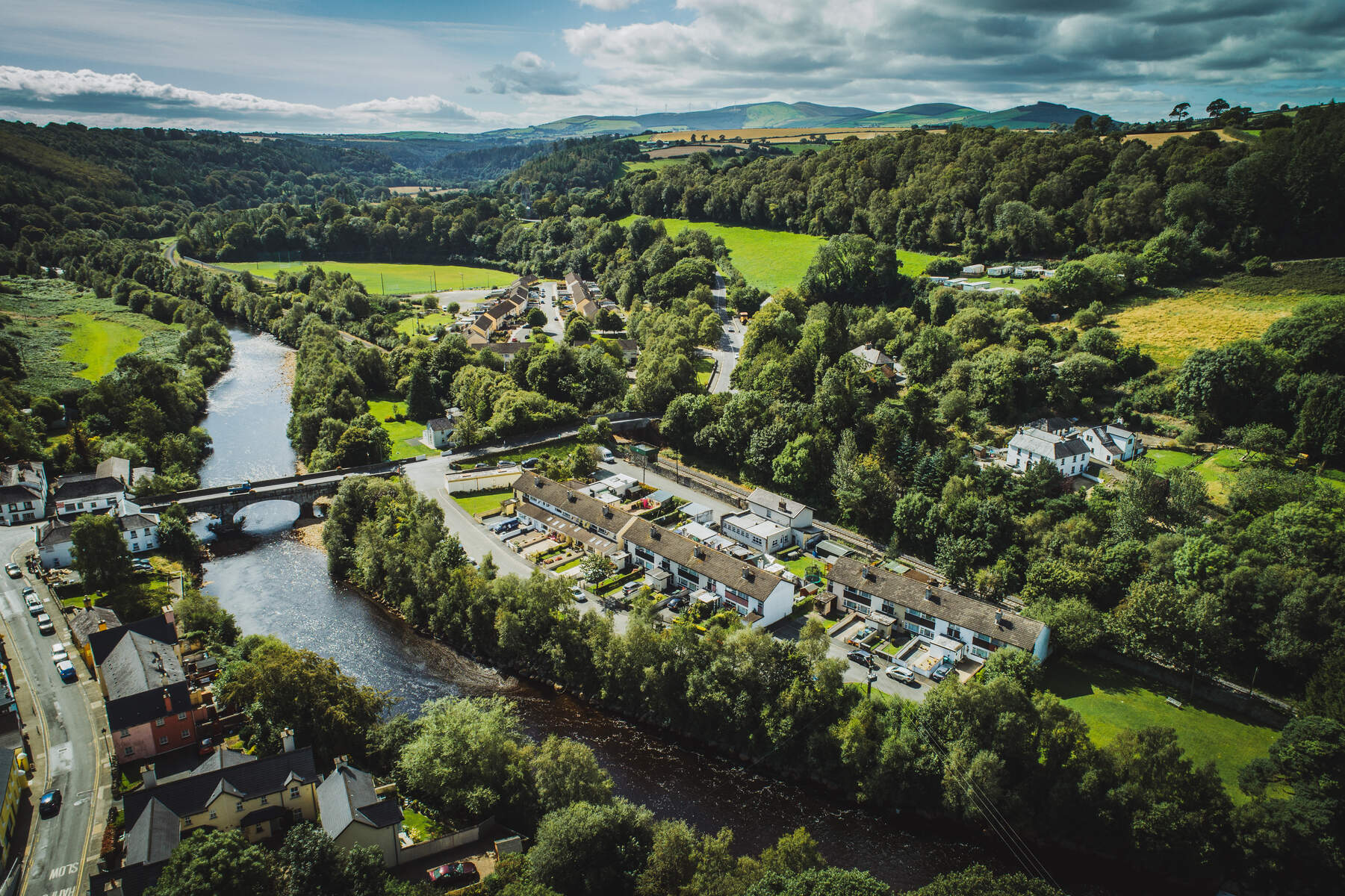
Wicklow Mountains National Park is Ireland’s largest national park, covering almost 23,000 hectares of dramatic mountain scenery, blanket bog, mixed woodland and open grassland. Situated a short drive south of Dublin, the park offers a wild‑yet‑accessible escape for city dwellers and tourists alike. From the shimmering Upper Lake at Glendalough to the stark, wind‑swept ridges of the Sally Gap, the landscape has inspired poets, painters and filmmakers – the likes of Braveheart and The Green Knight were shot here.
History & Management
The idea of protecting the Wicklow Mountains was debated for decades before Taoiseach Charles Haughey announced the park’s creation at Glendalough in 1988. An interpretative centre was funded in 1990 and the park officially opened in 1991 under the stewardship of the National Parks and Wildlife Service (Department of Arts, Heritage, Regional, Rural and Gaeltacht Affairs). Conservation, research, education and public safety are the core responsibilities of park staff.
Since its inception the park has grown. In May 2009 an additional tract of land was added, followed by a 2016 purchase that extended the boundary from Kippure down to Glenasmole Valley and Bohernabreena Reservoir. These expansions have helped preserve further habitats for the park’s diverse flora and fauna.
What to See & Do
Glendalough – monastic heritage
The crown jewel of the park is Glendalough, a glacial valley that houses a 6th‑century monastic settlement founded by St Kevin. Visitors can explore the round tower, St Kevin’s Church, the stone cross and the tranquil Upper and Lower Lakes. The Glendalough Visitor Centre (Bolger’s Cottage on the Miners’ Road) offers interpretive displays, maps and a small shop.
Way‑marked walks
Seven colour‑coded trails start from the Glendalough information office, ranging from easy strolls to challenging ridge walks:
| Trail (Colour) | Length | Approx. time | Highlights |
|---|---|---|---|
| Purple – Miners’ Road Walk | 5 km | 1 h 10 m | Upper Lake, St Kevin’s Bed, ruins of a miners’ village |
| White – The Spinc & Glenealo Valley | 9.5 km | 4 h | Boardwalk, 380 m climb, panoramic lake views |
| Bronze – Poulanass & St Kevin’s Cell | 1 km | 30 m | Poulanass Waterfall, bird‑watching spot |
| Green – Green Road Walk | 3 km | 50 m | Flat woodland, Lower Lake wetlands |
| Red – Spinc & Wicklow Way to Glenmalure | 13.5 km | 4 h 30 m | Connection to the long‑distance Wicklow Way |
| Pink – Poulanass | 2 km | 40 m | Steep climb, woodland birds |
| Silver – Woodland Road | 4 km | 1 h 15 m | Secretive glens, joins St Kevin’s Way |
Long‑distance routes such as the Wicklow Way (130 km), St Kevin’s Way (30 km) and Miner’s Way (19 km) also traverse the park, offering multi‑day trekking options.
Scenic drives
The Sally Gap Drive (Military Road, R115) is hailed as one of Ireland’s most beautiful routes. Starting in Roundwood, the road climbs past Lough Tay – nicknamed “Guinness Lake” for its dark water and white sand beach – before descending past Glenmacnass Waterfall. Small car parks at the waterfall and along the drive make for easy stop‑overs.
Wildlife & habitats
The park’s mosaic of habitats supports a rich wildlife roster:
- Birds – hen harrier, peregrine falcon, whooper swan, red grouse, merlin
- Mammals – red deer, otters, several bat species
- Plants – bluebells, wood anemones, mountain ash, holly, hazel
Seasonal visitors should be aware of midges in warm summer months and the occasional tick on off‑track walks.
Outdoor pursuits
Beyond walking, the park welcomes rock climbing, rowing, limited swimming, fishing and photography. The R756 road through the Wicklow Gap offers a dramatic motor‑tourist experience, while cyclists can explore the Blessington Greenway (6.5 km) on the western side of the park.
Practical Information
| Item | Details |
|---|---|
| Opening | Open all year (no entry fee) |
| Car parks | • Visitor Centre Car Park (paid) • Upper Lake Car Park (paid) • Free car park in Laragh • Small bays at Glenmacnass Waterfall and Sally Gap |
| Public transport | Private tour buses from Dublin (Glendaloughbus.com) • Link bus from Wicklow Town to Laragh • Rail to Wicklow Town, then bus or taxi |
| Visitor centre | Located in Glendalough Valley; maps and trail leaflets available online at the National Parks website |
| Phone | +353 404 45425 |
| Website | National Parks – Wicklow |
The park’s information office in Glendalough provides free walking maps and details on seasonal activities. Food stalls operate at the Upper Lake car park during peak season, and the nearby village of Laragh offers pubs such as The Wicklow Heather for a post‑walk meal. For overnight stays, options range from glamping pods in Glendalough to historic hotels like the Woodenbridge Hotel in Laragh.
Getting There
By car, the journey from Dublin takes roughly 60 minutes via the M50 and R115. Bus services run regularly from Dublin city centre to Glendalough and Laragh, while the St Kevin’s Bus stops at Roundwood, Annamore, Laragh and Glendalough. Organized tours (≈€35) are also available for those who prefer a guided experience.
Whether you’re chasing the quiet of a bog, the echo of a medieval bell, or the rush of a mountain waterfall, Wicklow Mountains National Park delivers a compact yet spectacular slice of Ireland’s natural heritage – all within easy reach of the capital.