
Overview
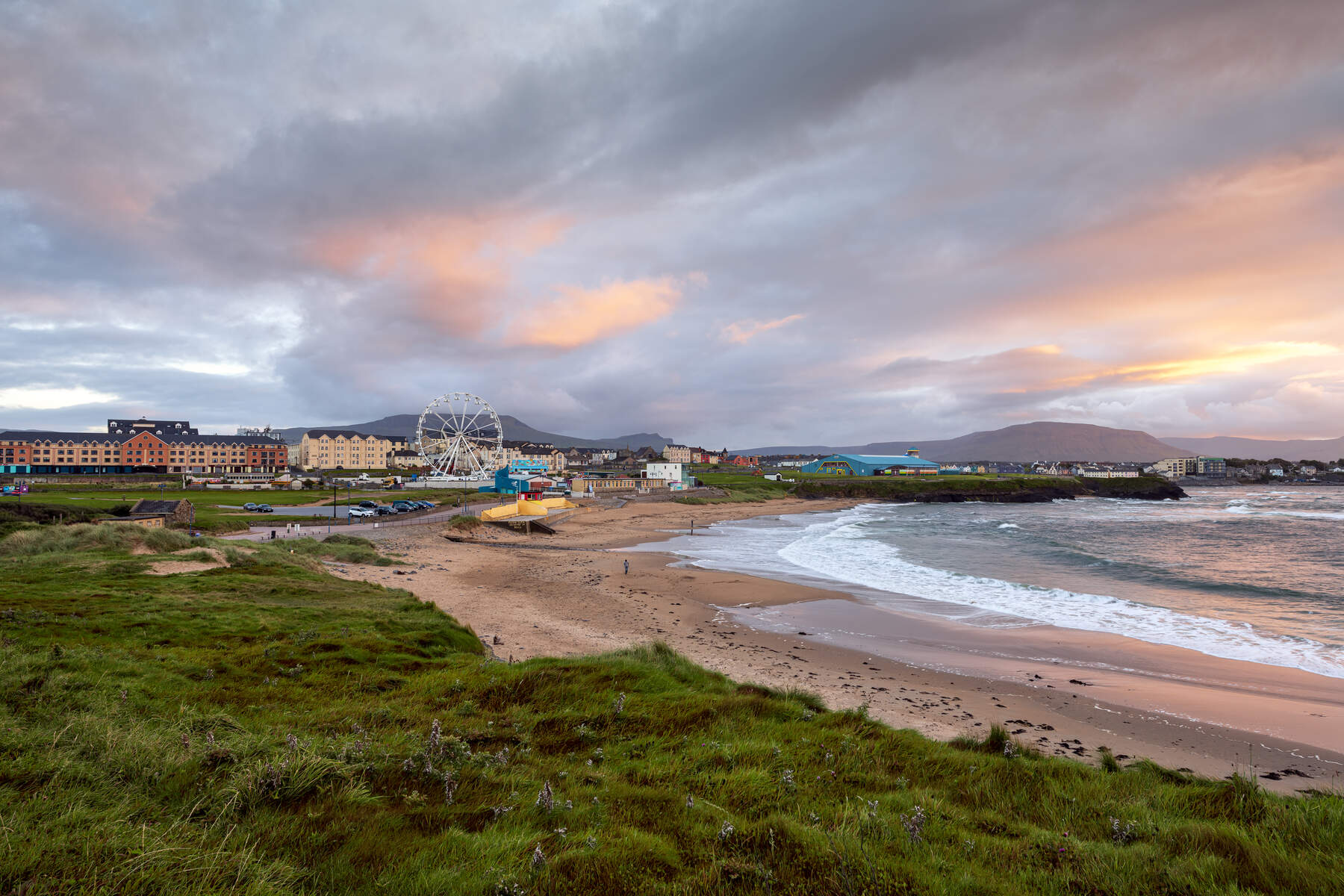
The Wild Atlantic Way (Irish: An Sléibhteach Aigéanach) is Ireland’s premier long‑distance tourism trail, stretching 2,500 km (1,553 mi) along the rugged western seaboard. Launched in 2014 by Minister of State for Tourism and Sport Michael Ring, the route runs from the Inishowen Peninsula in County Donegal (Ulster) to the historic fishing town of Kinsale in County Cork (Munster). It weaves through nine counties and three provinces, linking 157 discovery points, more than 1,000 attractions and over 2,500 activities.
History & Background
The concept behind the Wild Atlantic Way was to give Ireland a single, marketable brand that could compete with iconic routes such as the Pacific Coast Highway. By designating a continuous, way‑marked corridor, the government aimed to boost tourism in remote coastal towns that had previously struggled for visibility. Since its official launch in 2014, the route has attracted millions of visitors, spurring growth in accommodation, food and craft enterprises while promoting sustainable tourism and the preservation of natural and cultural assets.
What to See & Do
| Category | Highlights | Where to Find |
|---|---|---|
| Cliffs & Coastal Views | Cliffs of Moher, Slieve League, Kilkee Cliffs, Loop Head Lighthouse | Clare, Donegal, Kerry |
| Islands & Maritime Sites | Skellig Michael, Gallarus Oratory, Great Blasket Islands, Dursey Island | Kerry, Kerry, Kerry, Cork |
| Peninsulas & Drives | Dingle Peninsula, Slea Head Drive, Sky Road, Beara Peninsula | Kerry, Kerry, Galway, Cork |
| Historic & Cultural | Grianán of Aileach, Donegal Castle, Carrowmore Megalithic Cemetery, Blarney Castle | Donegal, Donegal, Sligo, Cork |
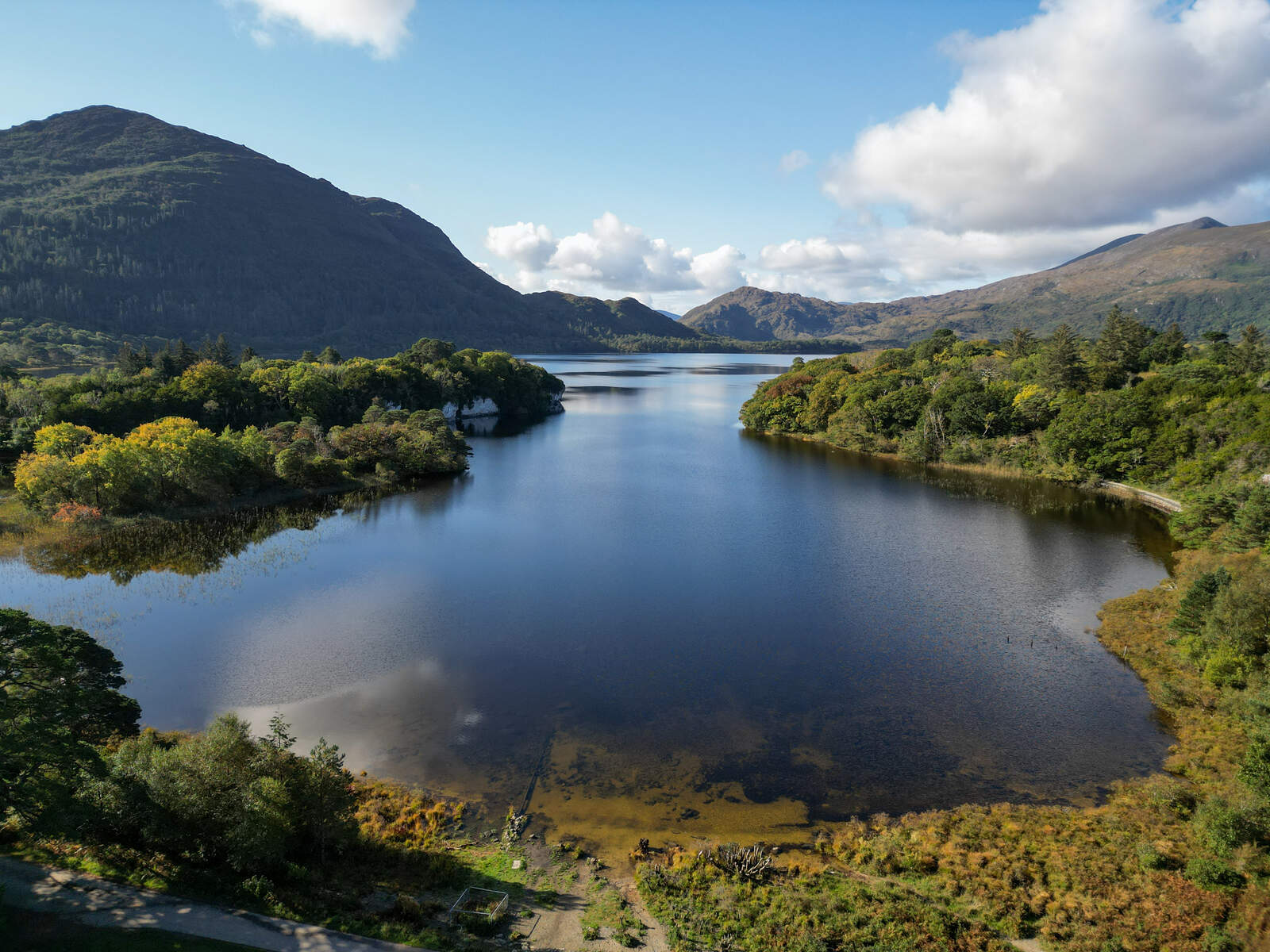
| Nature & Parks | Connemara National Park, Burren, Glenveagh National Park, Killarney National Park | Galway, Clare, Donegal, Kerry |
| Water‑Based Activities | Surfing at Bundoran, kayaking in Killary Harbour, boat trips to Skellig Islands | Donegal, Mayo, Kerry |
Iconic Stops
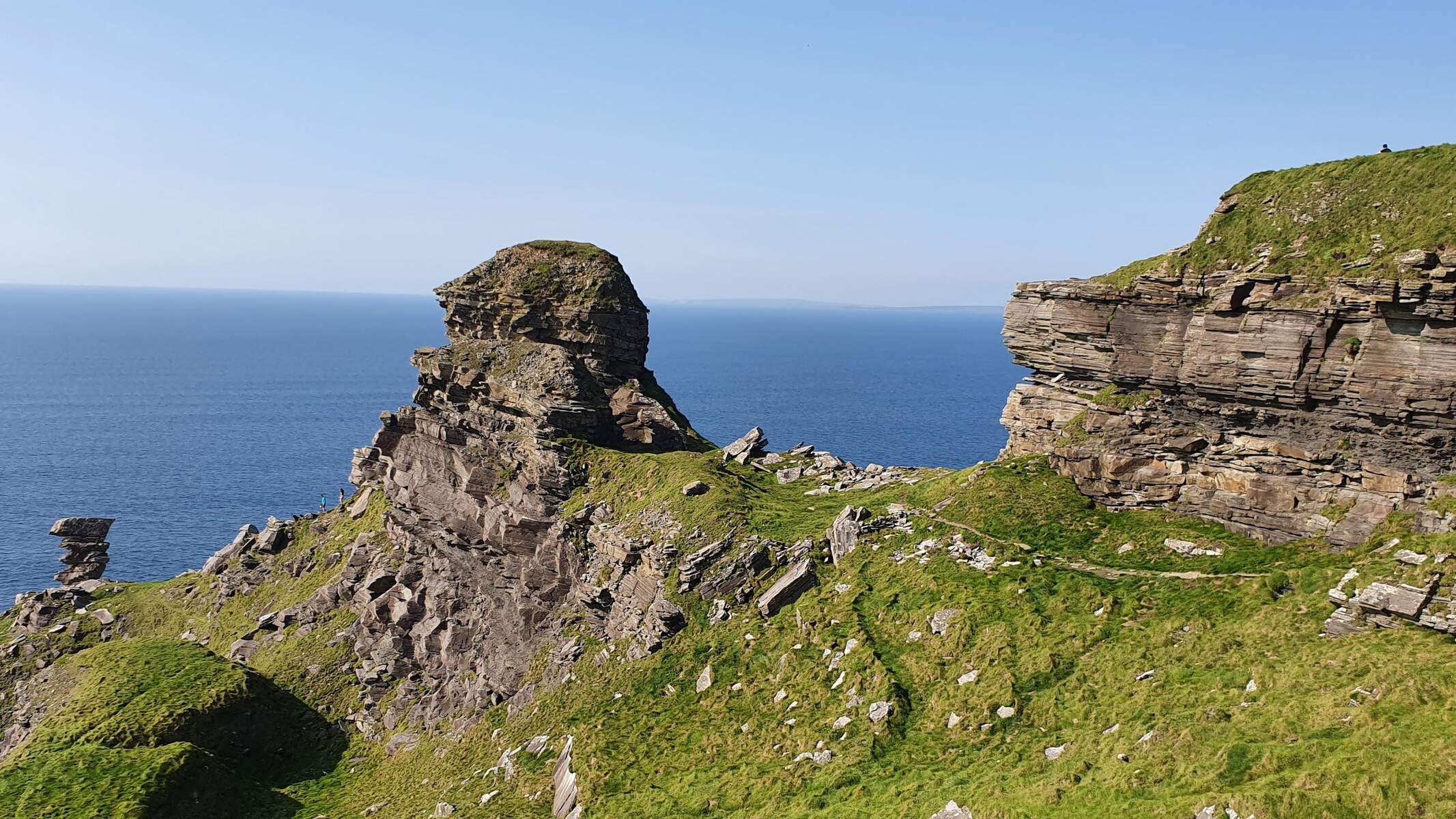
- Cliffs of Moher – One of Ireland’s most photographed landmarks, offering 800 m of sheer limestone cliffs overlooking the Atlantic. The visitor centre provides paved walkways and the historic O’Brien’s Tower. (Visit the cliffs)
- Skellig Michael – A UNESCO World Heritage Site, this steep, monastic island rises dramatically from the sea and can be reached by boat from Portmagee. The island’s beehive huts date back to the 6th century. (Skellig Experience)
- Gallarus Oratory – A 1,000‑year‑old dry‑stone church on the Dingle Peninsula, famed for its boat‑hull shape and a tiny window that floods the interior with light. Entry to the oratory is free; a modest fee covers the visitor centre, toilets and gift shop. (Gallarus Oratory details)
- Dingle Peninsula & Slea Head Drive – A 38 km loop of dramatic sea cliffs, sandy beaches (Coumeenoole, Ventry) and historic sites such as the Blasket Islands ferry terminal. The drive offers countless photo opportunities and access to traditional music in Dingle town.
- Sky Road, Connemara – A 16 km loop from Clifden that hugs the coastline of the Kingston Peninsula, delivering sweeping ocean panoramas, white‑sand beaches and the chance to spot seals. (Sky Road guide)
- Mullaghmore Head (Sligo) – A world‑class surf spot with towering waves, a working harbour and views of Ben Bulben. The headland also offers a gentle coastal walk and bird‑watching opportunities.
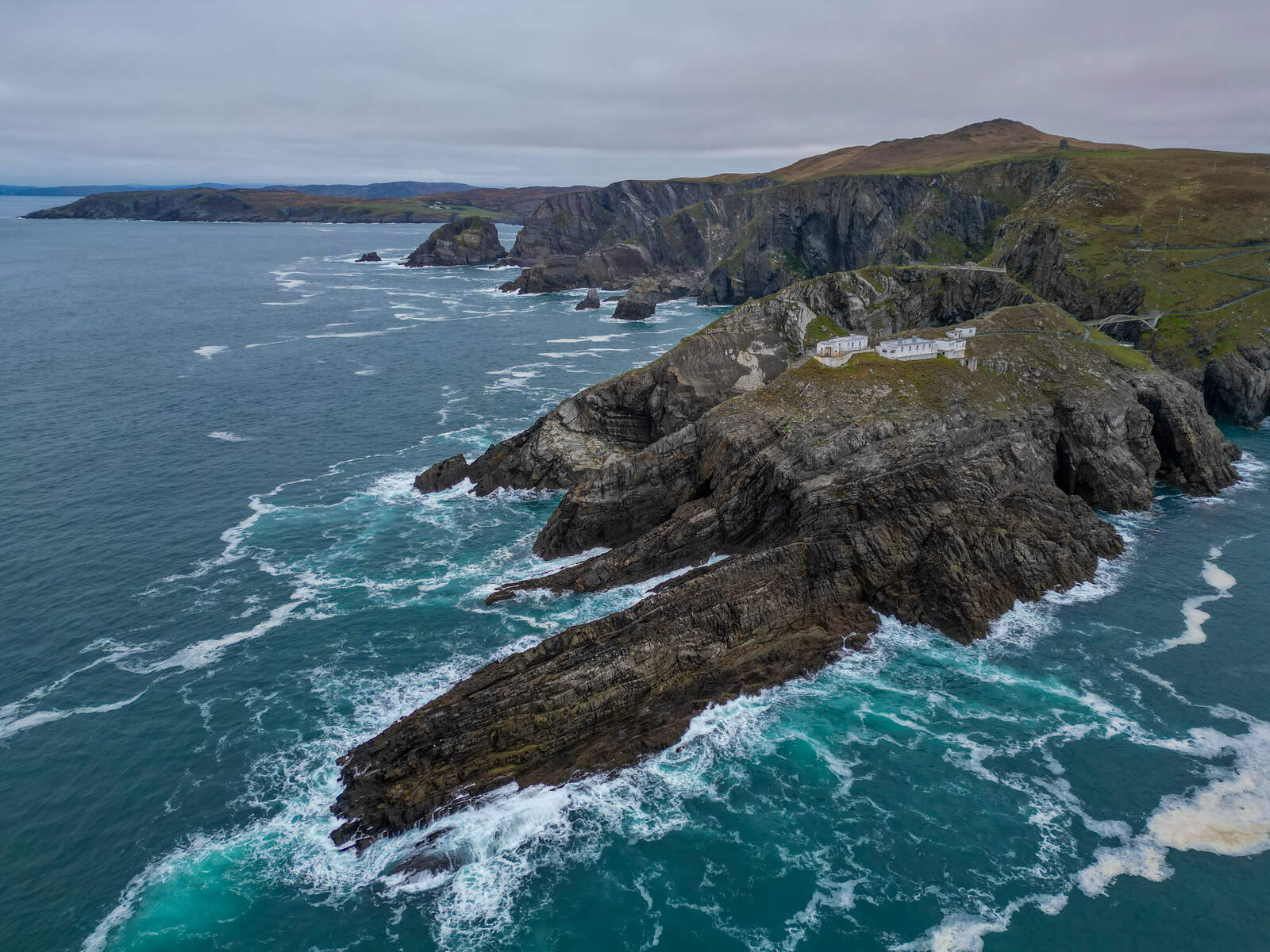
- Mizen Head (Cork) – Ireland’s southernmost point, featuring a dramatic lighthouse, visitor centre and a network of walking trails that showcase the Atlantic’s raw power.
Activities for Every Traveller
- Walking & Hiking – From the coastal cliff walks at the Cliffs of Moher to the mountain passes of the Healy Pass in Donegal, the Way offers routes for all abilities.
- Cycling – Dedicated bike‑friendly sections include the Great Western Greenway in Mayo and the Limerick Greenway.
- Surfing & Watersports – Bundoran, Mullaghmore and Lahinch are renowned surf locations; kayaking, sailing and sea‑kayak tours are available along many bays.
- Cultural Experiences – Traditional music sessions in Doolin, craft workshops in the Burren, and historic castle tours (e.g., Donegal Castle, Bantry House) provide authentic Irish immersion.
Practical Information
Key facts
| Item | Details |
|---|---|
| Length | 2,500 km (1,553 mi) |
| Counties covered | Donegal, Leitrim, Sligo, Mayo, Galway, Clare, Limerick, Kerry, Cork |
| Launch year | 2014 |
| Discovery points | 157 |
| Official website | https://www.wildatlanticway.com/ |
Getting there
- By air – The most convenient entry points are Dublin (for the north‑west) and Shannon or Cork (for the south‑west). Car hire is widely available at all major airports.
- By road – The route follows a series of well‑signposted national and regional roads. While the main highway runs a few miles inland, numerous side‑roads lead to coves, villages and islands.
- Public transport – Buses connect the major towns (e.g., Galway, Doolin, Killarney). For island access, ferries operate from Rossaveal (Aran Islands), Doolin (Inishmore) and Portmagee (Skelligs).
Accommodation & Food The Wild Atlantic Way passes through a spectrum of lodging options: boutique B&Bs in villages such as Ardara, luxury manor hotels like Adare Manor, seaside campsites, and budget hostels in larger towns. Local cuisine emphasises fresh Atlantic seafood, artisanal cheeses and traditional Irish stews. Many towns host weekly farmers’ markets where you can sample regional produce.
Seasonality While the route is open year‑round, certain attractions have seasonal opening hours. For example, the Gallarus Oratory visitor centre charges a small fee and opens at 9 am; the Skellig Michael boat trips run from March to October, weather permitting. Summer months (June‑August) see the highest visitor numbers, especially at popular sites such as the Cliffs of Moher and Dingle.
Accessibility Most major visitor centres (e.g., Cliffs of Moher Experience, Gallarus Oratory) provide wheelchair‑friendly facilities, though some remote walkways and historic sites have limited access due to terrain. Check individual attraction websites for detailed accessibility information before you travel.
Safety notes The Atlantic coastline can be exposed; heed local safety signs, especially at surf beaches and cliff edges. Lifeguard services operate at designated beaches during the summer season. When driving, be prepared for narrow, winding roads in rural sections and allow extra time for photo stops at the many discovery points.
Planning your journey Because the Wild Atlantic Way is a brand rather than a single fixed road, you can tailor the experience to your interests. Many visitors choose to focus on a specific region (e.g., the Burren & Clare coast, the Dingle & Kerry peninsulas) and use the route’s interactive map to plot daily stages. The official website offers downloadable GPX files and printable itineraries to help you organise accommodation, fuel stops and activity bookings.
Ready to hit the road? Start your adventure at the official map page, bookmark the 180 discovery points, and let the Atlantic’s ever‑changing moods guide you from the wild cliffs of Donegal to the sun‑kissed harbours of Cork.