
Overview
Bweeng (Irish: Na Boinn, meaning “The Coins”) is a tranquil village nestled in the rolling countryside of north‑west Cork, about 14 km (9 mi) south‑west of the market town of Mallow. Situated on the regional R619 road, the settlement lies within the civil parish of Kilshannig and the Dáil constituency of Cork North‑West. At an elevation of roughly 228 m above sea level (52.04701 N, ‑8.729276 W), the village enjoys gentle hill‑top views of the surrounding farmland and the River Clyda that winds nearby.
The name Bweeng (Na Boinn) is unique in Cork; locals often joke that they’ve “been to Paradise but never to Bweeng”. The village sits in the townland of Beenamweel West, next to the oddly named townland of Beenalught – a name few outside the area have ever pronounced.
History & Background
While Bweeng does not boast grand castles within its immediate bounds, its proximity to historic sites such as Castle Barrett adds depth to the local narrative. The north and east walls of Castle Barrett date back to the 13th century, and the site was granted a weekly market and annual fair in 1252 when it was known as Castle More. Over the centuries the castle changed hands—from royal repair in the late 13th century to the Earl of Desmond in 1439, and finally to the Barrett family in the 17th century before being forfeited after the Jacobite wars of the 1690s. These layers of history are still evident in the stonework that frames the landscape surrounding Bweeng.
The village itself grew around a cluster of townlands—Beennamweel West, Beennamweel East, Shanavoher, Ballyboght and Glashaboy West—forming a tight‑knit community that has retained its rural character. Bweeng National School, opened in 1953, remains the educational heart of the area, serving generations of local children.
What to See & Do
St. Columba’s Roman Catholic Church
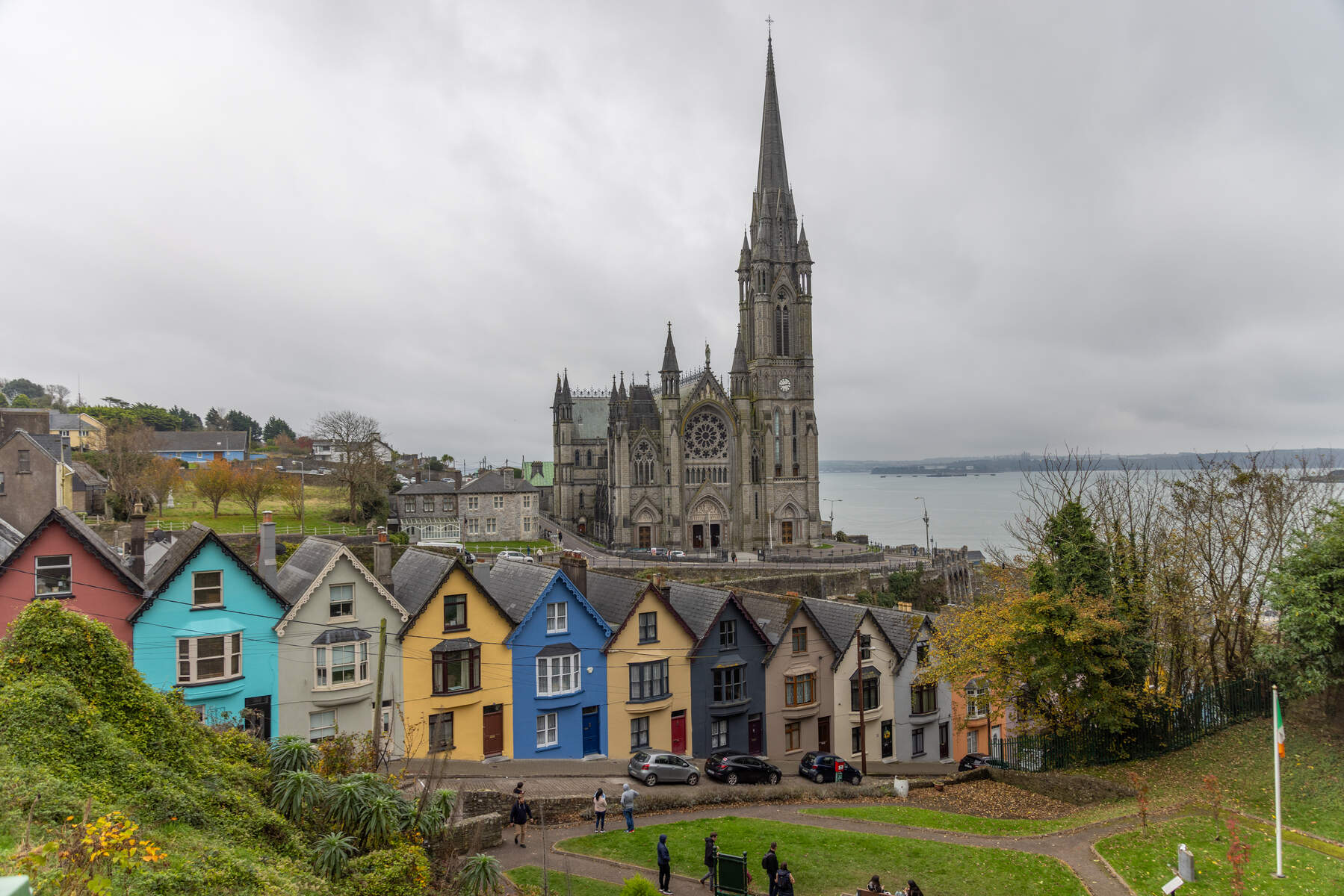
At the centre of village life stands St. Columba’s Church, a modest yet welcoming place of worship that hosts regular masses. Its simple architecture reflects the practical sensibilities of a farming community, while the interior offers a quiet space for reflection.
The Village Pub & Community Centre
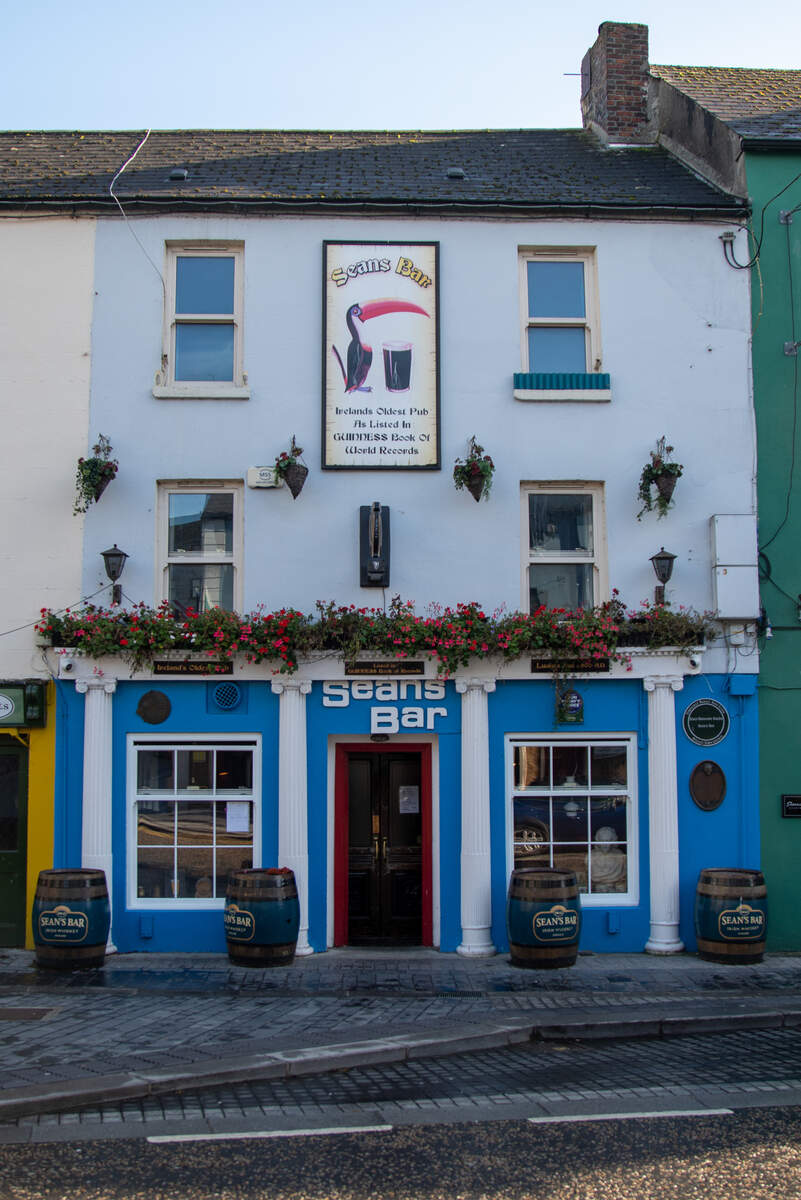
Bweeng’s single pub provides a convivial spot to sample a pint of Irish stout and chat with locals. Adjacent to the pub is the Bweeng Community Centre, which doubles as the home ground for the village’s association football side, Bweeng Celtic. The centre’s playing field is also used for Gaelic games under the banner of the Kilshannig GAA club, whose headquarters sit a short drive away in Glantane’s O’Connell Park.
Walkers’ Gateway – The Avondhu Way
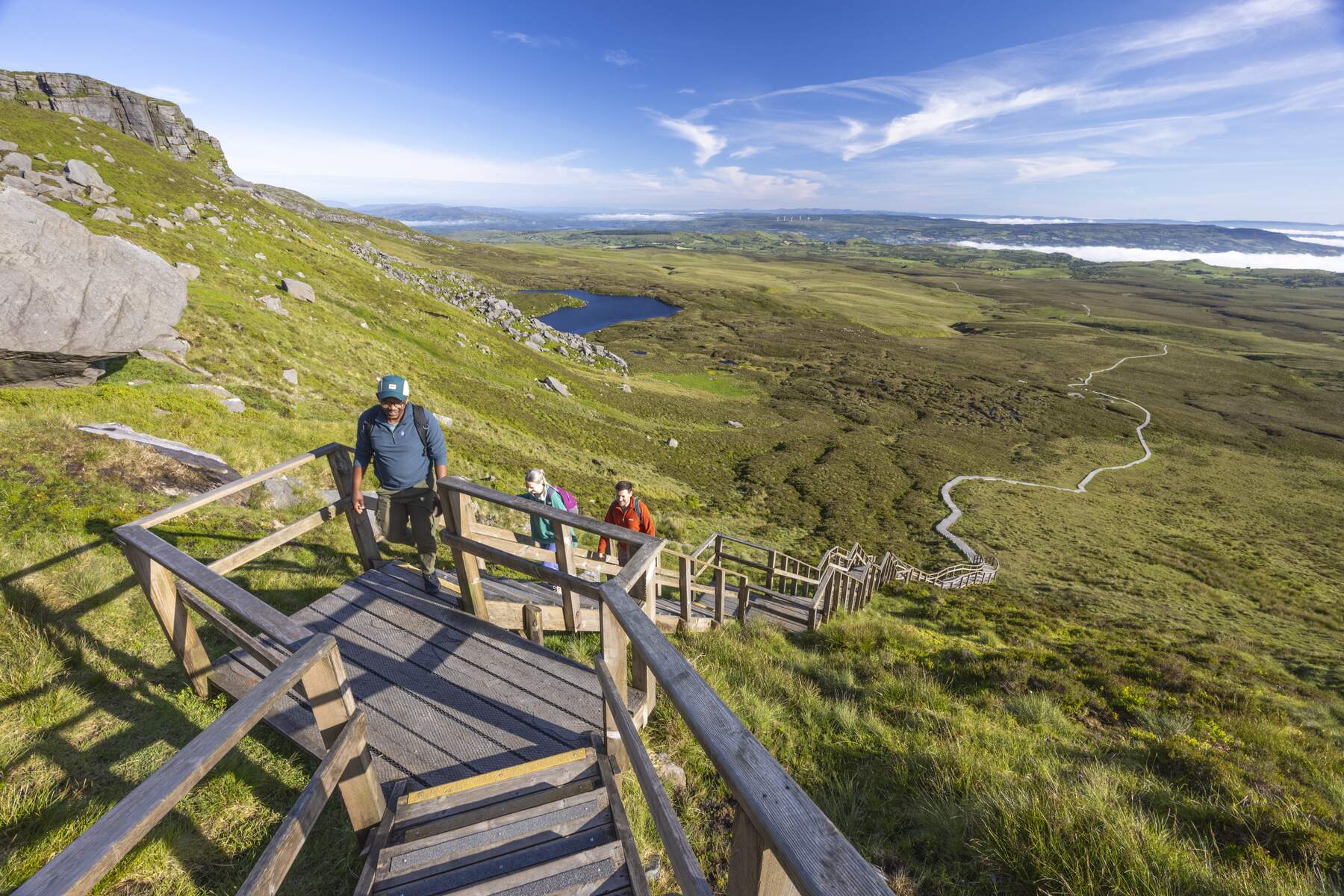
For hikers, Bweeng marks the terminus of Stage 5 of the Avondhu Way, a moderate 6‑7 hour walk that begins in Mallow. The trail follows the River Clyda, skirts the historic ruins of Castle Barrett, and winds through pastoral scenery before arriving in the village. Completing the stage here rewards walkers with a sense of accomplishment and the chance to refuel at the local pub before continuing on the longer 100 km, five‑stage Blackwater Way route that ultimately finishes in Bweeng.
Scenic Walks & Panoramas
The surrounding countryside offers numerous informal walking routes that showcase the gentle hills and open fields typical of County Cork. The village’s walkway provides a safe, paved path for leisurely strolls, while the nearby Bweengduff hill (228 m) offers modest elevation for those seeking a short summit experience.
Birdwatching Highlights
Bweeng is recognised by birders as a valuable spotting site. Recent records from April 2026 (BirdGuides) list several rare and noteworthy species observed in the area:
- Hoopoe (Upupa epops)
- Squacco Heron (Ardeola ralloides)
- American Bittern (Botaurus lentiginosus)
- Wryneck (Jynx torquilla)
- Bonaparte’s Gull (Larus (glaucus) bonapartei)
- Orca (Transient sightings along the river corridor)
The mix of open farmland, riverine habitats and the higher ground of Bweengduff creates a varied mosaic that attracts both resident and migratory birds. The best viewing points are along the River Clyda banks and the summit of Bweengduff. Bring binoculars and a field guide, and consider checking the BirdGuides site for the latest sighting updates.
Community & Services
- Bweeng National School – Besides education, the school rents its astro‑turf pitch to community groups and private instructors outside school hours. The school’s website explains that users arrange fees directly with independent contractors, who must hold their own insurance.
- Community Centre – Offers changing rooms, a hall for events and a playing field used by both football and Gaelic games.
- Pub – The village’s sole public house serves food and drinks and acts as an informal information point for walkers and visitors.
- Residential Growth – Recent property listings describe Bweeng as an “up‑and‑coming residential hotspot”, only 20 minutes from Cork City and 10 minutes from Mallow, with a strong sense of community centred on the school and GAA club.
Transport & Parking
By car – The R619 connects Bweeng directly to Mallow (≈10 min) and Cork City (≈20 min).
Public transport – A daily bus service runs between Bweeng, Mallow and Cork City, stopping at the village entrance. The nearest rail link is Mallow railway station, on the Dublin‑Cork and Mallow‑Tralee lines.
Parking – No publicly documented car‑park facilities have been identified; visitors typically use roadside lay‑bys or the pub’s car park. Confirmation of any designated parking area, capacity and fees should be obtained locally.
Accommodation
While Bweeng does not have a dedicated visitor centre, a range of self‑catering cottages and holiday‑rental properties are available in the surrounding townlands, listed on platforms such as Airbnb. These accommodations provide a quiet rural base for walkers, birdwatchers and families seeking a countryside retreat.
Practical Information
Getting there – The village is most easily accessed by car via the R619. The nearest rail link is Mallow railway station, which lies on the Mallow‑Tralee and Dublin‑Cork lines, making it a convenient entry point for visitors travelling by train. From Mallow, a short drive south‑west along the R619 brings you directly into the village.
Facilities – The village provides essential amenities: a primary school, a community centre with changing rooms for sports, a playing field, and a public walkway. While there is no dedicated visitor centre, the local pub and community centre are welcoming to tourists and can offer information on local events and trail conditions.
Sports & Recreation – Gaelic football enthusiasts can watch or join matches organised by the Kilshannig GAA club, whose home ground is O’Connell Park in nearby Glantane. Football fans can catch a Bweeng Celtic game at the community centre’s pitch.
Accessibility – The village’s main thoroughfares and public spaces are level and suitable for wheelchair users, though the surrounding walking routes feature uneven terrain typical of rural Cork.
Coordinates & Elevation
| Detail | Value |
|---|---|
| Latitude | 52.04701 N |
| Longitude | 8.729276 W |
| Elevation | 228 m above sea level |
Nearby attractions – In addition to Castle Barrett, the broader Kilshannig area offers historic churches, traditional Irish music sessions in nearby towns, and the scenic River Clyda for angling. The surrounding Avondhu Valley provides further walking and cycling routes.
Best time to visit – The Avondhu Way stage ending in Bweeng is well‑marked year‑round, but walkers often prefer the milder months of late spring and early autumn when daylight hours are longer.
Local etiquette – As a small, close‑knit community, a friendly greeting and a respectful demeanor are appreciated, especially when visiting the pub or attending a local match.
Bweeng may be modest in size, but its blend of historic charm, active community life and access to one of Ireland’s beloved long‑distance trails makes it a rewarding stop for any Cork itinerary.