
Overview
The River Clyda flows through the heart of north‑Cork, threading together historic towns, verdant farmland and a series of well‑marked walking routes. The river is celebrated for its clear pools that attract trout, its flash of kingfisher, and the series of stone bridges that punctuate its course. It runs through the wider Avondhu Valley, a landscape rich in heritage and outdoor recreation.
History
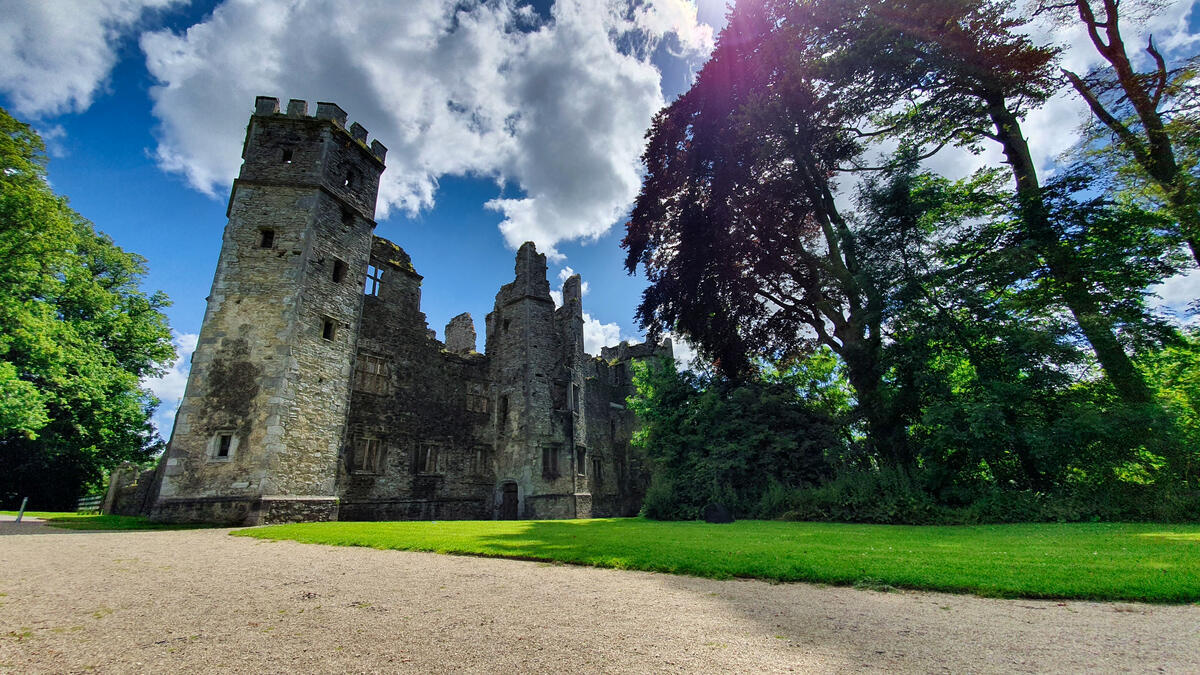
The Clyda valley has been a corridor of settlement since medieval times. Castle Barrett, perched above the river near Bweeng, dates back to the 13th‑century north and east walls. It was originally known as Castle More, received a market charter in 1252, and changed hands through the Desmond earls and the Barrett family before being forfeited in the Jacobite wars of the 1690s. Further downstream, the ruined Teampaillin friary, possibly founded by St. Cohen or Quain in the 14th century, bears the scars of 17th‑century conflict and famine burials.
What to See & Do
Avondhu Way – Stage 5 (Mallow to Bweeng)
A 34 km moderate trek that follows the River Clyda for most of its length. Walkers experience a mixture of back‑road sections, riverbank paths and the dramatic ascent to Castle Barrett. The route typically takes 6–7 hours and includes a climb of 480 m with a total descent of 308 m. Highlights include:
- Castle Barrett’s medieval walls and panoramic views over the Clyda valley.
- The village of Bweeng, where the river widens and the historic market square can be imagined.
- Numerous bridges such as Spur Bridge and Jordan’s Bridge, each offering photo‑opportunities.
Bóthar Glas (Annaleentha) – A Greenway
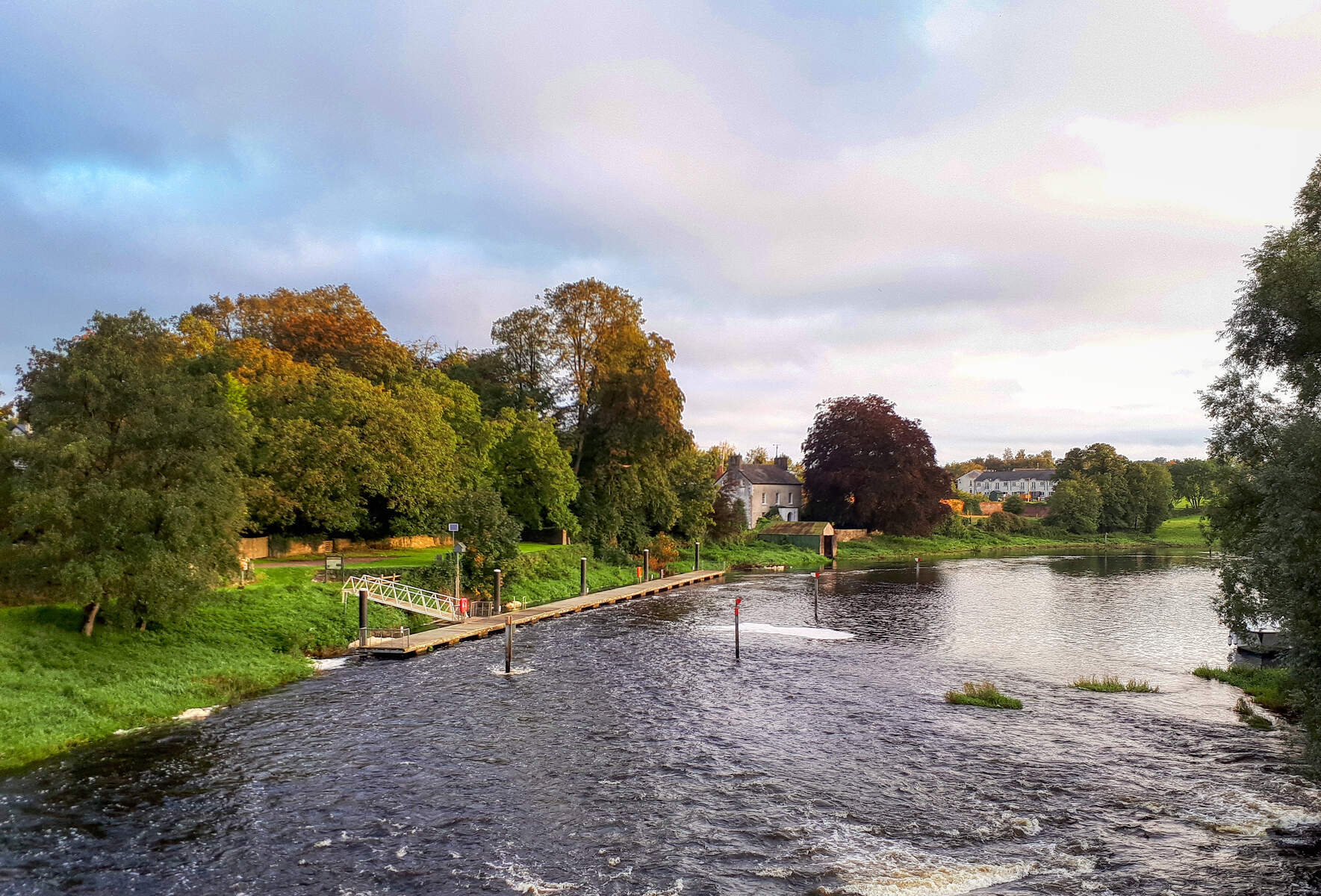
A gentle 3.5 km greenway ideal for walkers and cyclists, running from Analeentha Bridge to Milford Bridge. The path is largely flat with occasional undulations and a surface of compacted earth, roots and stones. It takes about an hour to complete and showcases:
- The River Clyda’s “wriggling trout” and the flash of a kingfisher.
- The series of historic bridges: Analeentha, Milford, Jordan’s, Athnalacca and Spur.
- Teampaillin ruins, a 14th‑century friary with a graveyard that holds stories of famine and unbaptised infants.
- Sinner’s Stone, a holed stone linked to local folklore about penance.
Wildlife & Landscape
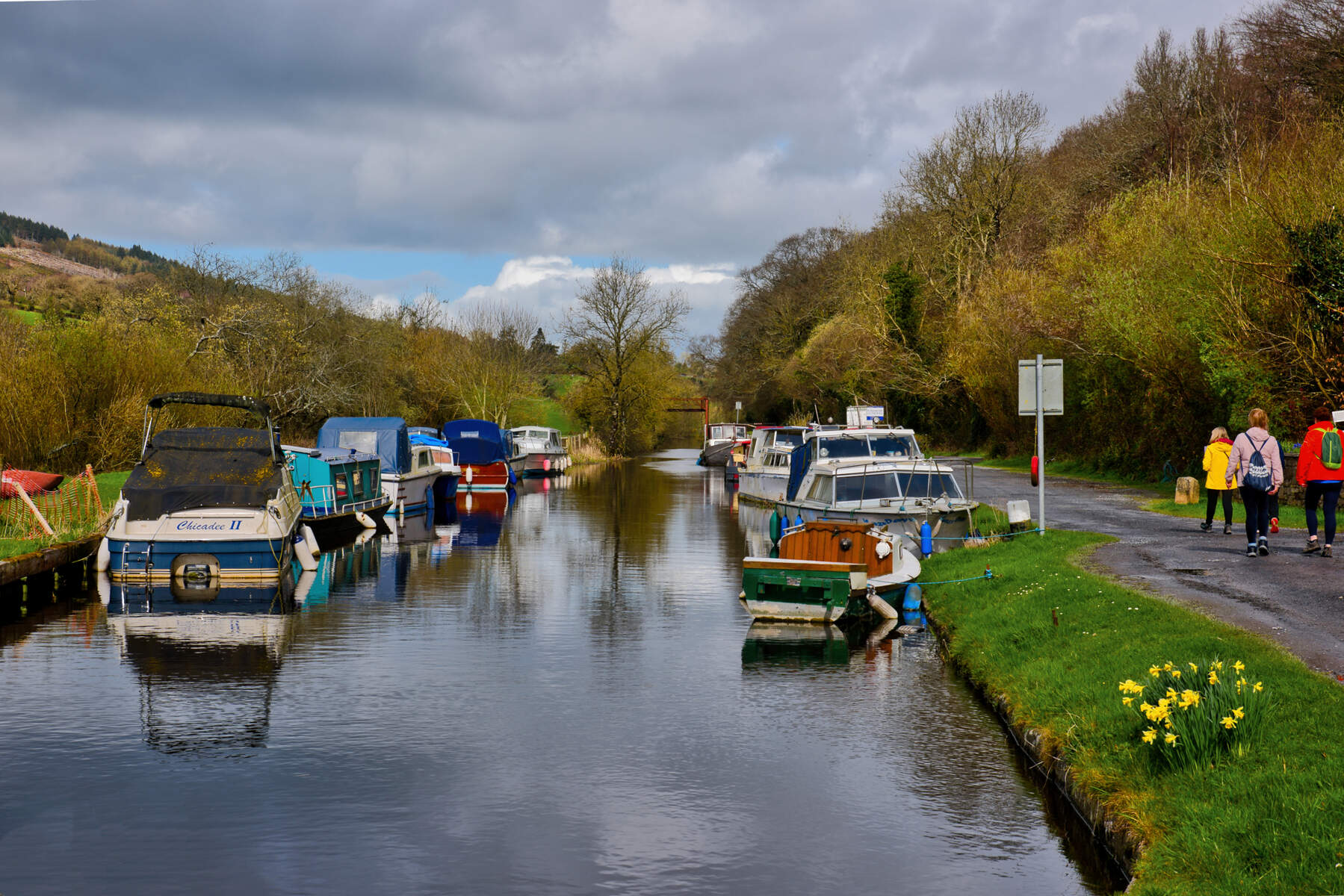
The Clyda’s clear waters support brown trout, while its banks attract kingfishers, herons and a variety of dragonflies in summer. The surrounding farmland and mixed woodland provide seasonal colour, especially in late spring when wildflowers carpet the river’s edge.
Practical Information
| Trail | Length | Approx. Time | Difficulty | Surface |
|---|---|---|---|---|
| Avondhu Way – Stage 5 (Mallow → Bweeng) | 34 km | 6–7 hrs | Moderate (some steep climbs) | Mixed back‑roads, riverbank paths |
| Bóthar Glas (Annaleentha) | 3.5 km | 1 hr | Easy (flat with short undulations) | Compact earth, occasional roots & stones |
Starting points – The Avondhu Way stage begins in Mallow town centre; follow local signage to the riverbank trailhead. Bóthar Glas starts near Analeentha Church and National School, just off the R579.
Navigation – Both routes are marked on the Blackwater Walking Trails app and a downloadable PDF map is available at the Blackwater Walking Trails website. The PDF can be accessed here: “Download the Route (23 MB)”.
Contact – For the most up‑to‑date information on trail conditions, especially during harvesting periods, contact the Blackwater Walking Trails office at +353 (22) 46580 or email info@avondhublackwater.com.
Parking – Free parking is available at the Analeentha Bridge car park (near the school) and at the Mallow trailhead on the town’s public car park. No admission fee is required for either route.
Accessibility – The Bóthar Glas greenway is suitable for most walkers and cyclists with a reasonable level of fitness. The surface can be uneven in places, so sturdy shoes are advisable. The longer Avondhu Way stage includes steep sections and uneven back‑roads, making it less suitable for wheelchair users.
Seasonality – The river’s water level can rise after heavy rain, making some low‑lying sections slick. The greenway remains open year‑round, while the longer stage may be temporarily closed during agricultural harvesting; check the website before planning a visit.
Nearby amenities – Mallow offers cafés, pubs and B&Bs within walking distance of the trailhead. Bweeng has a small shop and a traditional Irish pub where walkers can sample local fare after completing the stage.
Nearby Attractions
The River Clyda forms part of the wider Avondhu Valley, an area dotted with historic sites such as the 13th‑century Castle Barrett, the ruins of Teampaillin friary and several ancient stone circles. Visitors can extend their day by exploring the market town of Mallow, the scenic countryside around Bweeng, or venturing further into the valley’s network of walking routes and heritage trails.
Exploring the River Clyda provides a blend of natural beauty, historic intrigue and gentle adventure, making it a rewarding destination for families, history buffs and outdoor enthusiasts alike.