
Overview
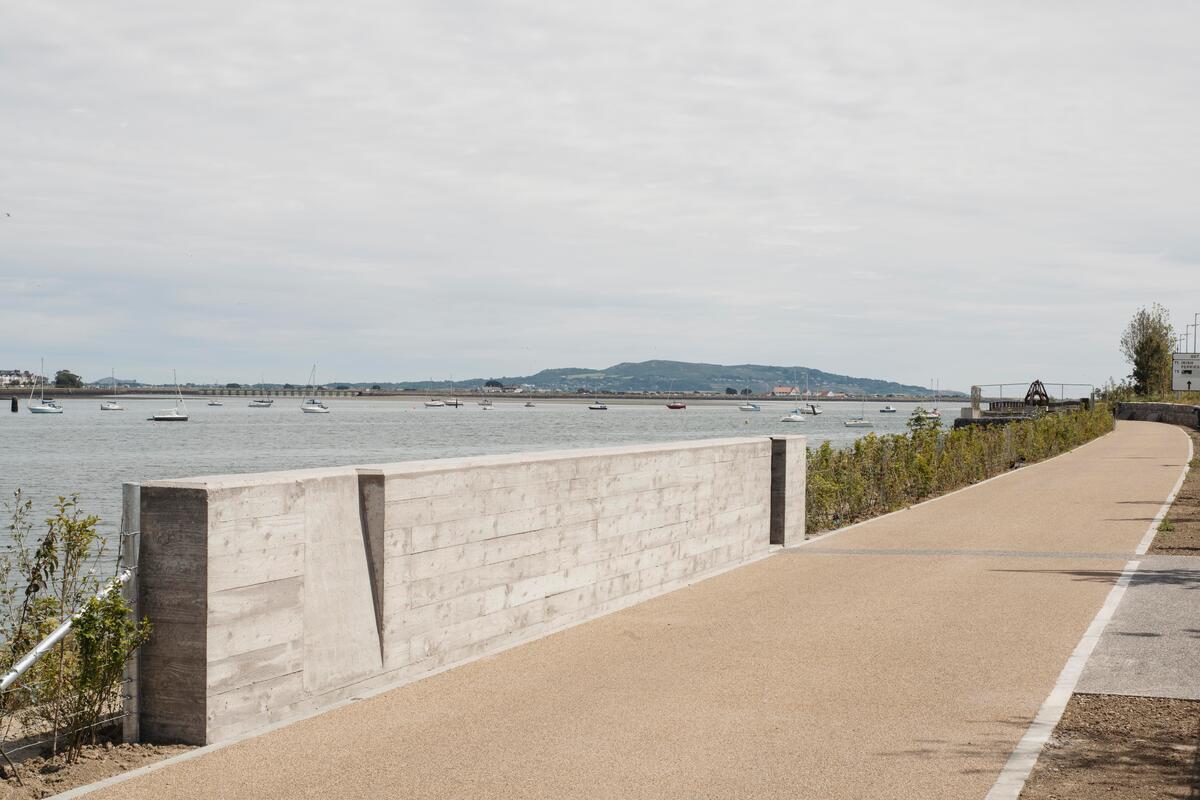
The Dublin‑Wicklow Turnpike is the historic artery that carries visitors from the heart of Dublin down the south‑eastern coast and into the rolling heights of the Wicklow Mountains. Today the route is largely followed by the modern N11 and the scenic coastal road that threads through Dún Laoghaire, Dalkey, Bray and on to the mountain passes of Sally Gap and Lough Tay. Whether you are driving, cycling or joining a guided day‑tour, the turnpike delivers a continuous ribbon of sea‑views, Georgian harbours, literary landmarks and rugged mountain scenery – all within a short hop from the capital.
History
Ireland’s turnpike system was created in the 18th and 19th centuries to improve long‑distance travel by introducing toll gates and better‑maintained surfaces. The road that would become the Dublin‑Wicklow Turnpike linked Dublin’s port facilities with the agricultural hinterland of County Wicklow, facilitating trade, mail and passenger movement. Over time the turnpike was incorporated into the national road network, eventually evolving into the present‑day N11 corridor. Its historic role as a toll road is still echoed in the occasional “turnpike” signage that appears along the route, reminding travellers of the road’s origins as a vital commercial link.
What to See & Do
| Stop | Highlights | Why it matters |
|---|---|---|
| Dún Laoghaire East Pier | 2.6 km Victorian promenade, bandstand, food trucks | A favourite local walk with sweeping views of Dublin Bay; perfect for a sunrise stroll. |
| National Maritime Museum (Mariners Church) | 180‑year‑old church‑turned‑museum, Baily Optic lighthouse lens | Offers a glimpse of Ireland’s seafaring heritage and a direct link to James Joyce’s Ulysses. |
| The Forty Foot, Sandycove | Historic sea‑swimming spot made famous by Joyce | Experience a beloved Dublin pastime in crystal‑clear waters. |
| James Joyce Tower & Museum | Martello tower, original manuscripts, Ulysses memorabilia | Stand in the opening scene of one of the world’s most celebrated novels. |
| Dalkey Village | The Queens pub (since 1745), Dalkey Castle & Heritage Centre | A charming coastal town that has hosted artists, musicians and literary figures for centuries. |
| Powerscourt Estate | Tiered gardens, Japanese garden, Powerscourt Waterfall | Voted among the world’s top ten gardens; a showcase of formal landscape design. |
| Sally Gap | High‑altitude mountain pass with panoramic vistas | Featured in TV series such as Vikings; a dramatic entry into the Wicklow Mountains. |
| Lough Tay (Guinness Lake) | Dark‑water lake framed by white sand imported by the Guinness family | One of Ireland’s most photographed spots, its colour contrast evokes a pint of Guinness. |
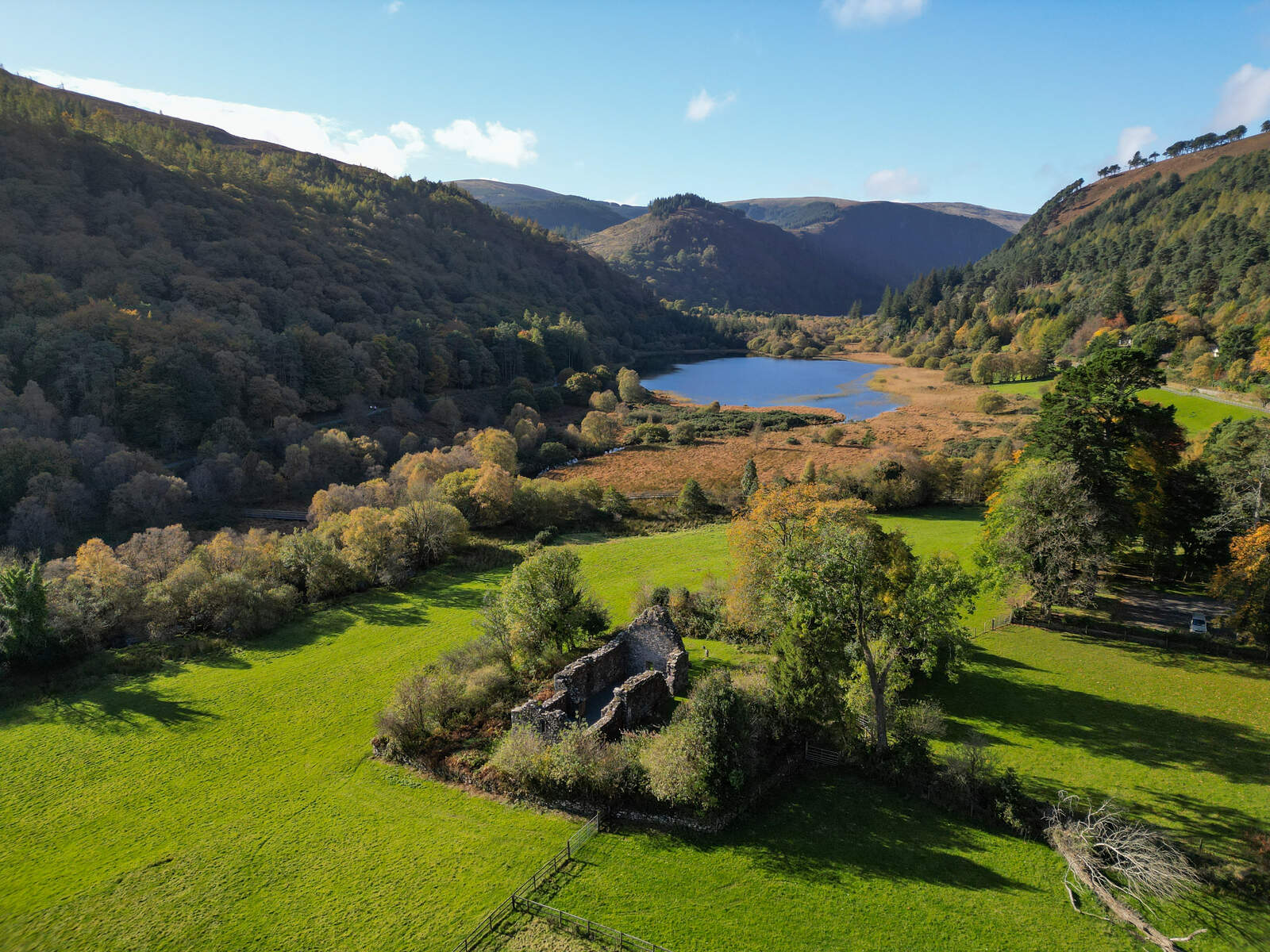
| Glendalough Monastic Site | 6th‑century monastic settlement, round tower, upper & lower lakes | A spiritual and archaeological treasure set in a glacial valley. |
| Killruddery House & Gardens | 17th‑century formal gardens, working farm, on‑site café | Film‑location fame and a living example of Irish country‑house hospitality. |
Highlights Along the Way
- Coastal Walks – The turnpike hugs the shoreline from Dún Laoghaire to Bray, offering uninterrupted sea views and opportunities to spot seals and seabirds.
- Mountain Passes – After the coastal stretch, the road climbs into the Wicklow Mountains, where the Sally Gap provides sweeping panoramas of heather‑covered moorland.
- Literary Landmarks – From Joyce’s Tower to the historic pubs that inspired countless Irish writers, the route is a living literary map.
- Garden Splendour – Powerscourt and Killruddery demonstrate the region’s horticultural heritage, with terraces, fountains and exotic plant collections.
Practical Information
The turnpike is fully accessible by car, coach and public transport. Several bus stops serve the route, including the popular pick‑up points used by the Original Wild Wicklow Day Tour:
| Pickup Point | Time |
|---|---|
| St Stephens Green (Bus Stop 791) | 08:45 am |
| North City, Cathal Brugha Street (Bus Stop 286) | 09:00 am |
| Opposite the Grand Canal Hotel | 09:15 am |
Getting There
- By Car – From Dublin city centre, follow the N11 southwards. The turnpike is well‑signed and offers ample parking at most major attractions (e.g., free car park at Laragh, paid car parks at Powerscourt and the Visitor Centre in Glendalough).
- By Bus – The St Kevin’s Bus service (route 181) runs from Dublin city centre directly to Glendalough, stopping at key villages along the turnpike.
- By Train – DART stations at Dún Laoghaire and Bray provide easy rail access to the coastal segment; from Bray you can catch a local bus into the mountains.
Admission & Fees
- National Parks – Wicklow Mountains National Park is free to enter; parking charges may apply at the Visitor Centre, Upper Lake and Laragh car parks.
- Historic Sites – Powerscourt House and Gardens, Dalkey Castle and the James Joyce Tower each charge a modest entry fee (typically €8‑€12 for adults). Check each venue’s website for the latest prices.
- Guided Tours – The Original Wild Wicklow Day Tour costs €55 (early‑bird €40) and includes a fully guided coach journey, a whiskey tasting and a stop at Glendalough (lunch not included).
Accessibility
- Most of the turnpike’s main attractions are wheelchair‑friendly, with level pathways at the Visitor Centre in Glendalough and at the Powerscourt gardens. Some historic sites (e.g., the Martello tower) have limited access due to narrow staircases.
- Dogs are welcome on the majority of walking trails in the Wicklow Mountains, provided they are kept on a lead.
Best Time to Visit
The turnpike can be enjoyed year‑round. Summer offers longer daylight for extended drives, while autumn brings a blaze of colour across the mountain slopes. Spring brings blooming wildflowers, especially along the Spinc Trail and around Lough Tay.
Why the Dublin‑Wicklow Turnpike Should Be on Your Itinerary
The turnpike is more than a road – it is a narrative thread that stitches together Dublin’s urban vibrancy with Wicklow’s wild heart. It lets you experience the capital’s maritime heritage, the literary echoes of Joyce, the grandeur of Georgian estates and the untouched beauty of Ireland’s largest national park, all in a single, well‑connected journey. Whether you have a full day or a leisurely weekend, the Dublin‑Wicklow Turnpike offers a compact yet diverse slice of Irish culture, history and landscape.
Tags: [“Scenic”, “Historic”, “Outdoors”]