
Overview
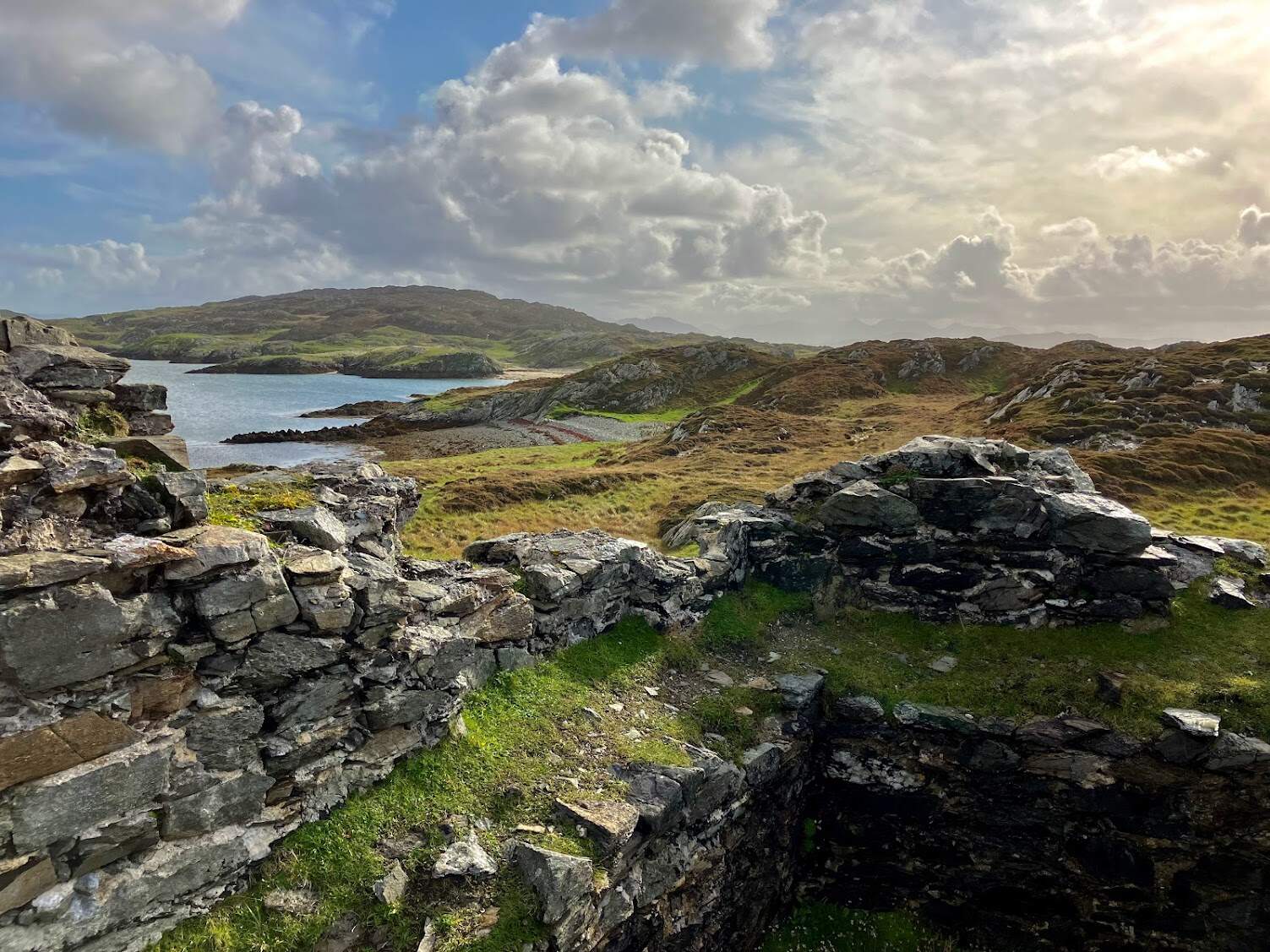
Dún Gráinne sits on the rugged western edge of Inishbofin Island, a short ferry ride from Cleggan Harbour in County Galway. The stone remains of the fort crown a low cliff that overlooks the island’s natural harbour, providing an unrivalled panorama of the Atlantic and the surrounding islands. Though the walls are now weather‑worn, the site still exudes the aura of a stronghold that once guarded a vital shipping lane and served as a base for one of Ireland’s most iconic figures – Grace O’Malley, the 16th‑century Pirate Queen (Gráinne Mhaol).
History
The story of Dún Gráinne is woven from myth, piracy and conquest. Local tradition holds that the fort was the residence of Grace O’Malley, who, in alliance with the Spanish privateer Alonzo Bosco, stretched an iron chain across the harbour entrance to block hostile ships. The chain, according to legend, ran from Dún Gráinne to Bosco’s stronghold on what is now known as Port Island, creating a formidable barrier that protected the island’s fleet.
While the pirate‑queen narrative captures the imagination, archaeological evidence points to an even older lineage. Inishbofin’s human occupation stretches back up to 10 000 years, with a Celtic fort dating to around 1000 BC located nearby. The island later became a Royalist bastion during the 17th century; Oliver Cromwell’s forces erected the star‑shaped Cromwell’s Barracks at the harbour mouth in 1652, using the site as a prison for captured Catholic clergy. The same strategic position that made Dún Gráinne a pirate’s haven also attracted Cromwell’s army, turning the island into a penal colony and a staging post for transport to the West Indies.
Legend of the Chain
According to the enduring local legend, the iron chain was massive enough to span the narrow harbour mouth, anchored at Dún Gráinne on the western side and at the Spanish‑aligned fort on Port Island to the east. Though no physical remnants of the chain survive, the story is kept alive in island folklore and adds a dramatic backdrop to the ruin’s silhouette.
What to See & Do
Visiting Dún Gráinne is a journey through layers of Irish history set against dramatic scenery. From the fort’s ruined walls you can:
- Take in sweeping sea views – The cliffside location offers uninterrupted sightlines to the Atlantic, the neighbouring islands of Inishgort and Omey, and the iconic Twelve Bens on the mainland.
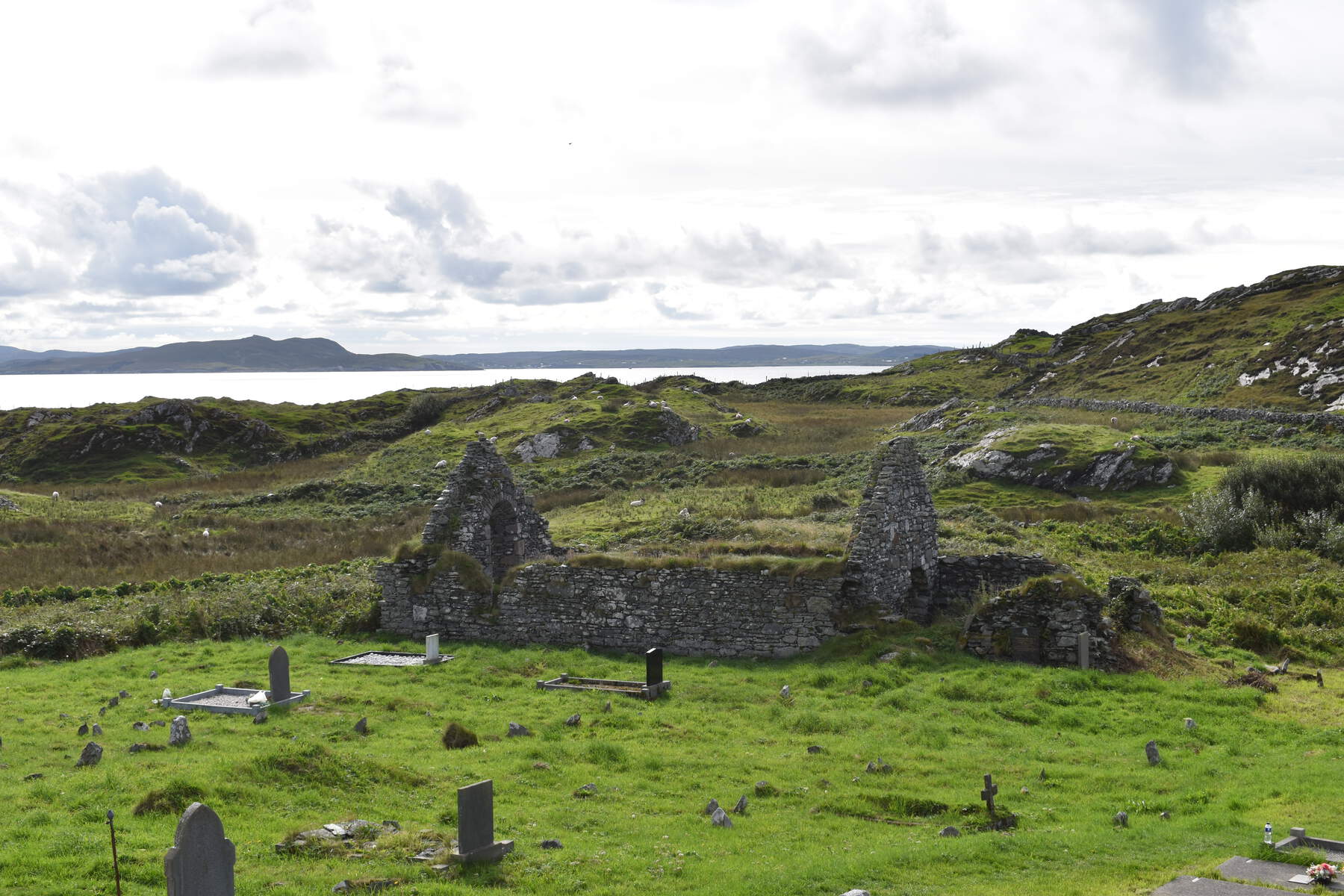
- Explore neighbouring historic sites – A short walk eastward brings you to Cromwell’s Barracks, a well‑preserved 17th‑century star fort, and further on to St. Colman’s 14th‑century chapel, which sits in a tranquil graveyard.
- Combine with natural attractions – The Westquarter walking loop passes the famous blowholes, the seal colony at Stags Rock, and several Green‑Coast award‑winning beaches such as East End Bay and Dumhach Beach.
- Enjoy active pursuits – The island’s flat terrain makes cycling to Dún Gráinne a popular option; bike hire is available at Kings Bicycle Hire on the pier. For the more adventurous, guided kayaking tours explore the crystal‑clear waters of the harbour, while bird‑watchers can spot rare species like the corncrake from the surrounding fields.
Walking & Wildlife
The Westquarter Loop is a 5‑km coastal walk that starts at the pier, follows the shoreline past the blowholes, and returns via the path that leads to Dún Gráinne. The route is moderate in difficulty and suitable for most walkers, though sections near the fort are uneven. Spring and early summer are the best times for bird‑watching; the rare corncrake and a variety of seabirds are most vocal during the breeding season.
Practical Information
Getting There
- Bus to Cleggan – Citylink runs a daily service from Galway City to Cleggan Pier, timed to connect with the morning ferry.
- Ferry – Inishbofin Island Discovery operates the crossing (≈30‑40 minutes). Summer schedules feature three sailings per day; winter sees a single daily service. Bicycles are accepted for a €10 fee.
- On‑Island transport – Once ashore, the main pier area is a hub for bike hire, information kiosks and a short walk to Dún Gráinne. The walk from the pier to the fort takes about 15‑20 minutes on a well‑marked path.
Ferry Ticket Prices
| Ticket Type | Price (€) |
|---|---|
| Adult (return) | 25 |
| Child 6‑17 (return) | 10 |
| Child 3‑5 (return) | 5 |
| Under 3 | Free |
| Student | 15 |
| Free Travel Pass | Free |
| Bicycle | 10 |
Prices are subject to change; always confirm the latest rates on the ferry website.
Opening Hours & Admission
Dún Gráinne is an outdoor ruin and therefore open all day, every day. There is no admission fee; donations to local heritage groups are welcomed.
Accessibility
The approach to the fort involves a short unpaved track with some uneven steps, making it challenging for wheelchair users. However, the main pier, the Inishbofin Heritage Museum, and several beach access points are level and wheelchair‑friendly. The ferry itself is fully accessible, and staff are happy to provide assistance.
Nearby Amenities
- Food & Drink – After exploring the fort, refuel at The Beach – Days Bar & Restaurant (Low Road) or Murray’s Doonmore Hotel for fresh seafood and locally sourced dishes.
- Accommodation – Options range from the Inishbofin House Hotel (sea‑view rooms) to the budget‑friendly Inishbofin Island Hostel. Self‑catering cottages are scattered across the five townlands.
- Connectivity – Free Wi‑Fi is available in most cafés and the hostel; mobile coverage is generally good on the east side of the island.
Nearby Attractions
If you have extra time, consider a short ferry ride to the Aran Islands for their iconic stone forts and vibrant Gaelic culture, or explore the historic Abbeyknockmoy Cistercian ruins on the mainland. Both make excellent day‑trip extensions from Inishbofin.
Seasonal Highlights
The island’s cultural calendar peaks in spring and summer. The Inishbofin Arts Festival (May) and the Bia Bó Finne Food Festival (October) provide additional reasons to linger after a visit to Dún Gráinne. Bird‑watching is especially rewarding during the breeding season, when the rare corncrake can be heard calling from the surrounding fields.
Dún Gráinne offers a rare blend of rugged natural beauty, palpable history and the lingering romance of Ireland’s pirate past. Whether you arrive on foot, by bike, or after a scenic ferry ride, the fort’s stone walls and sweeping Atlantic backdrop promise an unforgettable glimpse into a bygone era.