
Overview
Inishkeragh Island (Irish: Inis Caorach) sits in the Bay of Boylagh, just off the rugged north‑west coast of County Donegal. At only 0.23 km² (about 0.09 sq mi) and a coastline of roughly 2.2 km, it is one of the smallest islands in the Irish archipelago. The island’s highest point rises a modest 6.5 m above sea level, giving it a gentle, almost flat profile that is characteristic of the “plains” landform described by geographers. Its name, meaning “Sheep Island”, hints at a pastoral past that still echoes in the occasional remnants of ruined cottages left behind when the last residents were relocated in the 1950s.
History & Background
The island’s human story is brief but poignant. In the mid‑20th century, a government‑led resettlement programme moved the remaining families to the mainland, leaving Inishkeragh largely uninhabited. The abandoned stone walls and the faint outlines of former dwellings are now part of the island’s quiet charm, offering a tangible link to a way of life that once depended on the sea and the modest grazing of sheep. While the island has no permanent population today, its name and the lingering traces of habitation keep the memory of that community alive for visitors.
Geology & Landscape
Inishkeragh’s low‑lying terrain is formed from ancient sedimentary rock that has been gently worn down by Atlantic waves and wind. The island’s flatness, combined with a thin layer of fertile soil, supports a mosaic of grassland and native scrub. This open landscape provides uninterrupted views across the Atlantic and creates ideal conditions for seabirds to nest on the cliffs and for walkers to enjoy unobstructed panoramas.
What to See & Do
Walking and Birdwatching
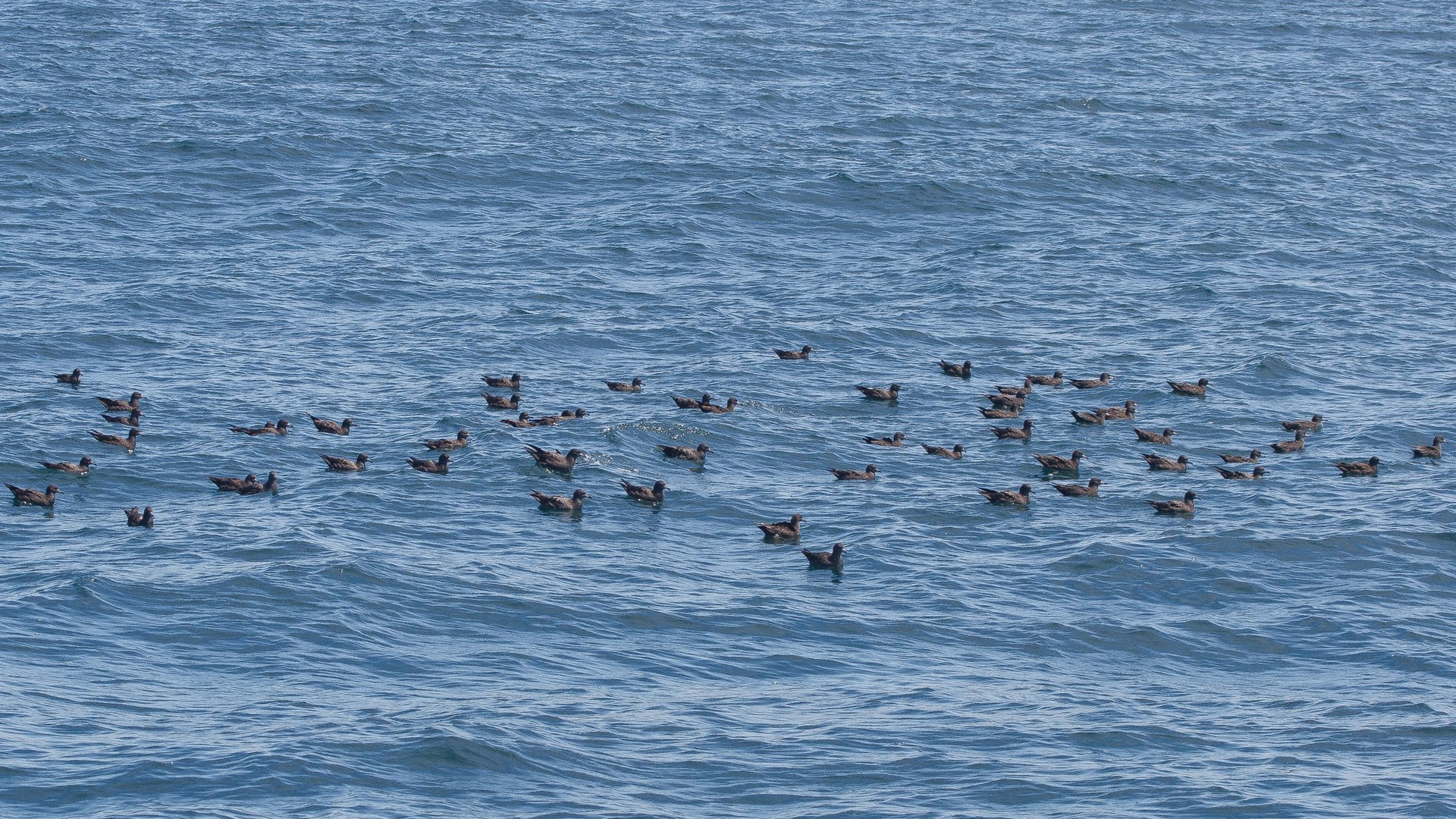
The island’s compact size makes it perfect for a leisurely stroll. A well‑marked path circles the perimeter, allowing walkers to soak in sweeping Atlantic views, spot seabirds nesting on the cliffs, and enjoy the occasional sight of a puffin or guillemot. The surrounding waters are a haven for waders, and the island’s agricultural‑mosaic vegetation – a mix of low‑lying grassland and patches of native scrub – supports a surprising variety of birdlife for such a small landmass.
Sea Angling and Fishing
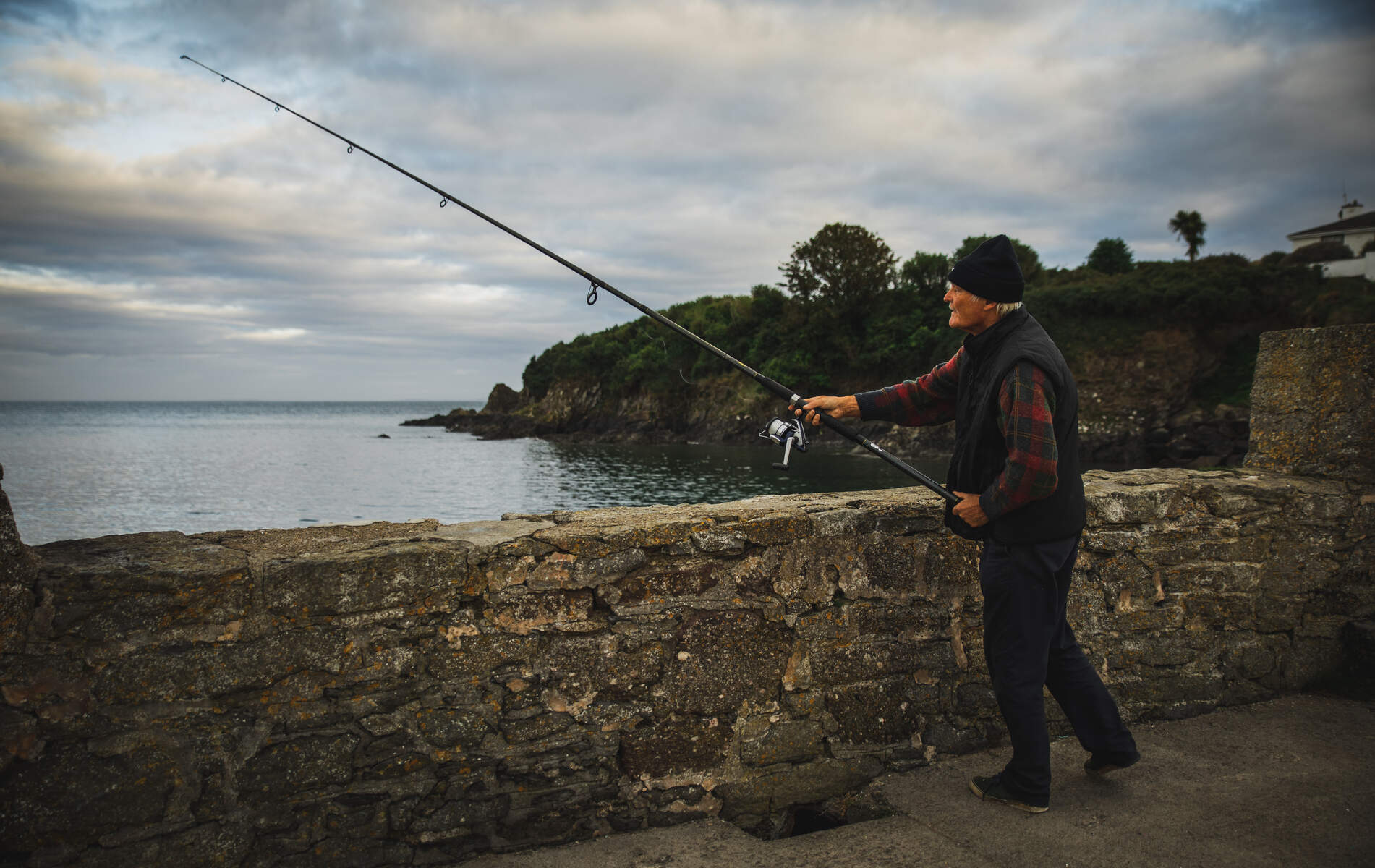
Inishkeragh’s reputation as a “Sheep Island” belies its rich marine environment. Anglers can launch from the small slipway on the western shore and try their luck for species such as pollack, mackerel and, on occasion, larger Atlantic cod. The island’s low elevation means the water is relatively calm close to shore, making it a suitable spot for both seasoned anglers and families with children who enjoy casting a line.
Wildlife and Landscape Photography
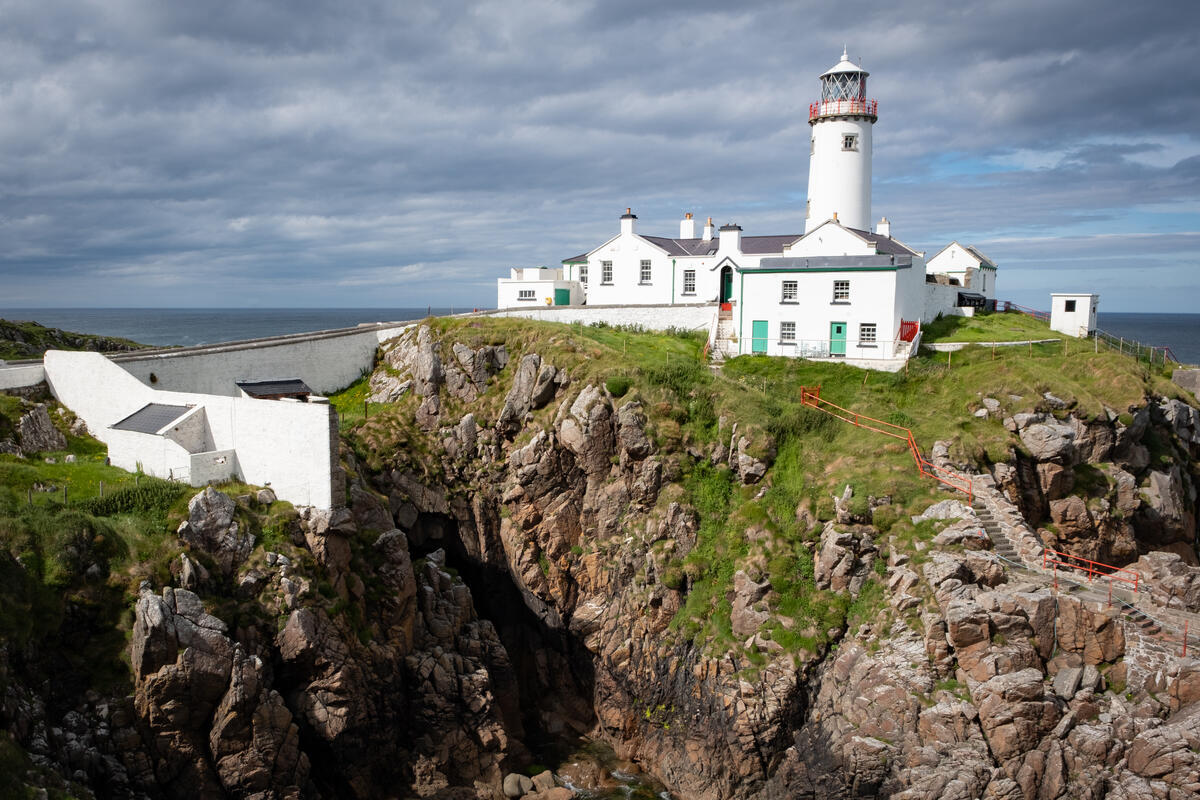
With its flat terrain, dramatic Atlantic backdrop and the ever‑changing light of the Irish coast, Inishkeragh offers photographers a canvas of contrasts – from the soft pastel hues of sunrise to the stark, wind‑blown greys of a winter day. The island’s tree cover, at roughly 47 %, provides occasional pockets of shade and interesting silhouettes against the sky.
Seasonal Highlights
Spring and early summer bring the island’s seabird colonies to life; puffins, guillemots and razorbills arrive to breed, making the cliffs a prime spot for birdwatchers. Summer also offers the most reliable weather for walking and angling, while autumn can produce larger fish as they move closer to shore. Winter weather is brisk and the sea can be rough, so visitors should be prepared for strong winds and cooler temperatures.
Visiting Tips
- Access – The island is reachable only by boat. Local ferry services operate from the mainland village of Killybegs and other nearby ports. Timetables vary seasonally; check with the local information office (Comharchumann na nOileán Beag) for the latest schedule.
- What to bring – No shops or toilets exist on the island. Pack water, food, a wind‑proof jacket and any safety equipment you may need.
- Safety – The Atlantic can be unpredictable. Ensure your boat is equipped with appropriate safety gear and always check the weather forecast before setting out.
- Dog‑friendly – Dogs are welcome on the island, but keep them on a leash during the bird‑nesting season to avoid disturbance.
Practical Information
Opening Hours – Inishkeragh is open all day, every day. There are no gate fees or ticket offices on the island, making it a free‑entry destination for anyone with a boat.
Navigation – The island’s geographic centre is at latitude 54.70646073 and longitude ‑9.04139753. For those using GPS devices, entering these coordinates will bring you to the heart of Inishkeragh.
Contact & Further Details
- Phone: +353 74 953 2571 (or +353 74 953 2594)
- Website: (official site currently unavailable – please verify)
Opening Hours Table
| Season | Hours |
|---|---|
| All year | Open 24 hours |
Weather – The island experiences a temperate oceanic climate, with mild summers and abundant rainfall throughout the year. Average summer temperatures are warm enough for comfortable walking and fishing, while winter brings brisk winds and occasional storms that add to the dramatic seascape.
Nearby Islands & Attractions
While Inishkeragh itself is a tranquil retreat, the wider Donegal coast offers a wealth of historic sites such as Castle Caldwell Ruins, Tully Castle Ruins and the Janus Stones of Caldragh Cemetery. The Cliffs of Magho provide panoramic views over Lough Erne and the Atlantic. For island‑hopping, consider a visit to Arranmore Island – Lighthouse and Scenic Trail which lies a short ferry ride north‑east and offers complementary walking routes and wildlife spotting.
Inishkeragh Island may be tiny, but its blend of natural beauty, quiet history and simple outdoor pursuits makes it a rewarding stop for anyone exploring the wild Atlantic fringe of Donegal. Whether you’re casting a line, watching a gull wheel overhead, or simply breathing in the salty air, the island offers a moment of solitude that feels far removed from the bustle of modern life.