
Overview
Island Bridge (Irish: Droichead an Oileáin) is a single‑span ashlar masonry bridge that has become a landmark of Dublin’s south‑west inner city. Carrying the South Circular Road over the River Liffey, it links the residential district of Islandbridge with the western entrance to Phoenix Park. Its elegant elliptical arch, about 32 metres across, is a fine example of late‑Georgian engineering. The bridge sits beside a small island formed when a mill‑race was cut on the right‑hand bank of the Liffey, leaving the main current on the left; the River Camac joins the Liffey nearby after emerging from a tunnel close to Heuston station.
History / Background

The crossing at this point has been used since the early medieval period, originally as a ford. Archaeological finds of Viking burial sites from the 9th and 10th centuries underline the area’s long‑standing strategic importance and early Norse‑Irish contact.
- 1577 – An arched stone bridge was built under Queen Elizabeth I and Lord‑Deputy Sir Henry Sidney, replacing an older crossing at Kilmainham.
- 1787 – The 1577 bridge was swept away by a catastrophic flood.
- 1791‑1793 – The present bridge was erected, designed as a single‑span elliptical ashlar arch. The first stone was laid on 22 June 1791 by Sarah Fane, Countess of Westmorland, and the bridge was originally called Sarah’s Bridge (often recorded as Sarah Bridge).
- 1790‑1795 – Official construction dates recorded by the National Inventory of Architectural Heritage.
- 1814 – Remained the longest masonry span in Ireland until Lucan Bridge was built.
- 1922 – Following Irish independence, the bridge was renamed Island Bridge, reflecting the island created by the historic mill‑race and giving its name to the surrounding district.
Rocque’s 1773 map of Dublin shows an earlier “Island Bridge” with multiple arches, indicating the site’s long‑standing role in the city’s river crossings.
Architecture & Design
According to the Buildings of Ireland record (Reg No 50080009), the bridge is constructed of granite with vermiculated voussoirs and rusticated granite spandrels. Its splayed abutments, cut‑granite soffit and a pronounced platband at the impost level give the structure a crisp silhouette. Portland‑stone piers flank the arch, topped with a carved cornice and mutules that support the parapet coping. The original cast‑iron railings, set on a cut‑stone wall, provide a contrasting texture and remain in place.
Designed by Alexander Stevens the Elder, Island Bridge was the longest masonry span in Ireland until Lucan Bridge was built in 1814. Its technical and aesthetic qualities earned it a Regional Category of Special Interest for architectural, artistic, historical and technical value.
Heritage Listing
Island Bridge is listed on the National Inventory of Architectural Heritage (NIAB) as a structure of special interest. The listing recognises its importance as an early example of a large single‑span masonry bridge and its contribution to the historic streetscape of the South Circular Road.
What to See & Do
- Island Bridge – Walk across the historic ashlar arch to enjoy panoramic views of the Liffey, the mill‑race island and the parkland beyond.
- Irish National War Memorial Gardens – A short stroll from the bridge, these gardens were designed by Sir Edwin Lutyens and opened in 1930. They commemorate the 49,400 Irish soldiers who fell in the First World War. Highlights include a sunken rose garden, illuminated granite bookrooms listing each fallen soldier’s name (illustrated by Harry Clarke), and a central stone pavilion topped by a bronze statue.
- Guided Tours – From April to October, guided tours start at 14:00 each Wednesday, offering deeper insight into Lutyens’ design, Clarke’s illustrations and the wider wartime context.
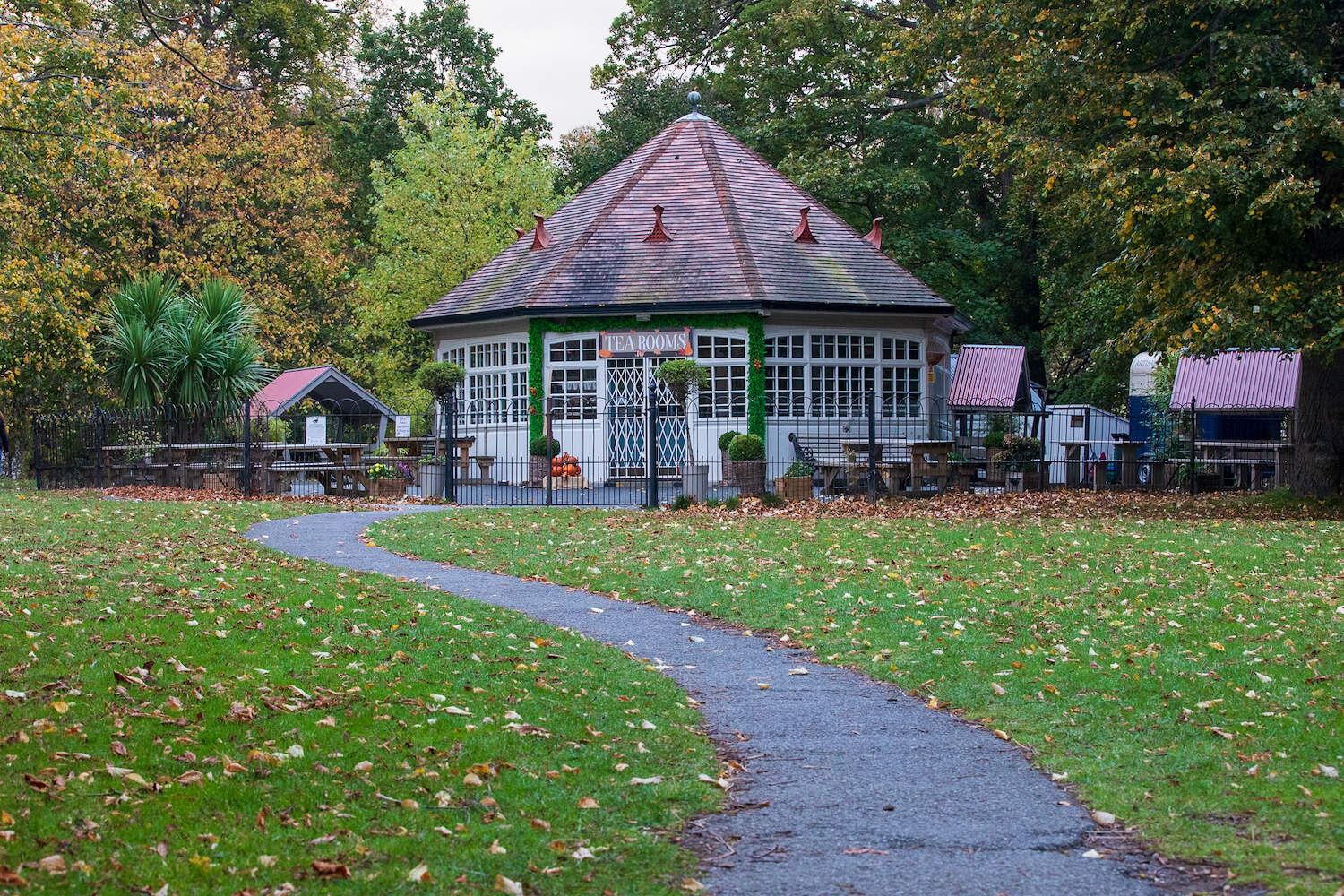
- Phoenix Park – Directly opposite the bridge, Phoenix Park is Europe’s largest walled urban park. Visitors can explore the Victorian Tea Rooms, the Visitor Centre, the People’s Flower Gardens, Dublin Zoo and the herd of fallow deer that roam the 1,750‑acre grounds. The park’s extensive network of walking and cycling trails makes it ideal for a leisurely day outdoors.
- Liffey Greenway – The bridge forms part of the Liffey Greenway route, a traffic‑free path that follows the river from Dublin Docklands to the western suburbs. Cyclists and walkers can continue eastwards towards the city centre or head west into the parkland.
Nearby Attractions
- Arbour Hill – A short walk north along the South Circular Road brings you to Arbour Hill, home to the Irish National War Memorial and the historic prison where leaders of the 1916 Rising were held.
- Kilmainham Gaol – Located a few kilometres east, this former prison offers guided tours that delve into Ireland’s revolutionary past.
- Phoenix Park Visitor Centre – Provides exhibitions on the park’s wildlife and history, plus a café and gift shop.
Practical Information
- Location: The bridge carries the South Circular Road between Conyngham Road and the entrance to Phoenix Park, Dublin 8.
- Access: Easily reached on foot from Heuston railway station. Several Dublin Bus routes serve the South Circular Road; common routes include 46A, 46 and 145 (please verify current timetables).
- Opening times: The bridge is open 24 hours for pedestrians, cyclists and motorists. The Irish National War Memorial Gardens are open daily from 9:00 am to 6:00 pm (April‑October) and 10:00 am to 5:00 pm (November‑March). Phoenix Park is open year‑round, with most facilities closing at dusk.
- Facilities: Restrooms are available in the War Memorial Gardens and at the Phoenix Park Visitor Centre. Picnic areas and cafés can be found near the park’s Victorian Tea Rooms.
- Accessibility: The bridge and surrounding pathways are paved and suitable for wheelchair users; the gardens provide level routes and tactile guide paths.
- Parking: Limited on‑street parking is available on the South Circular Road. For longer stays, use the car park at the Phoenix Park Visitor Centre, which provides ample spaces and is a short walk from the bridge.
- Nearby amenities: The Visitor Centre café, the Tea Rooms, and several food trucks operate seasonally within Phoenix Park.