
Overview
Fermanagh’s Lake District centres on the linked waters of Upper and Lower Lough Erne, a sprawling lake system that stretches for miles across the county’s rolling countryside. With more than 150 islands, dramatic cliffs, ancient monastic sites and a wealth of outdoor pursuits, the region is often described as Ireland’s hidden heartland. It was named the #1 Most Relaxing Destination in Lonely Planet’s Best in Travel 2025, and for good reason – the gentle ripple of water, the scent of pine in the surrounding woodlands, and the echo of centuries‑old stonework create a timeless atmosphere.
History
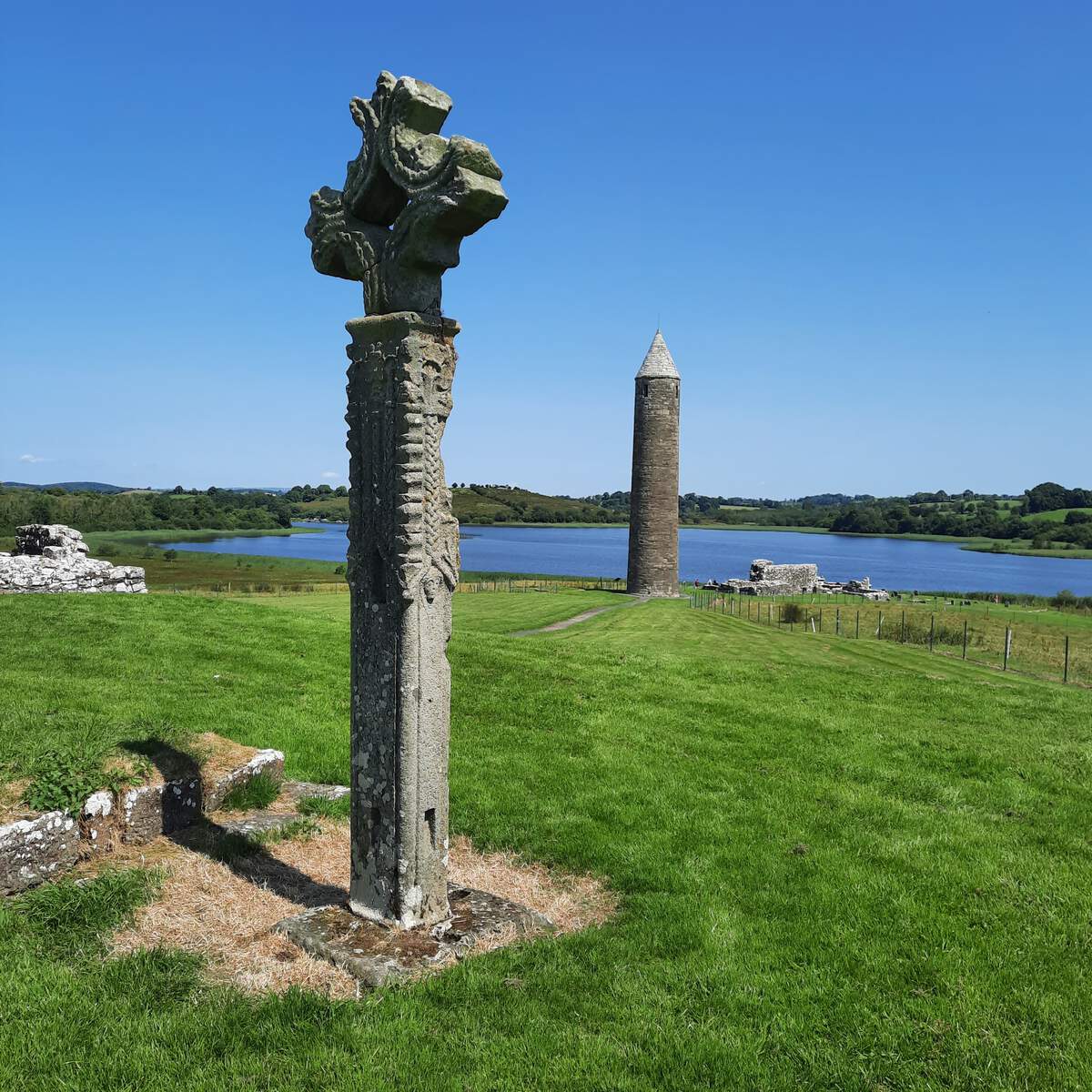
Human activity in the Fermanagh lakelands dates back to the Stone Age, as evidenced by the Aghanaglack Dual Court Tomb, a Neolithic burial monument that still stands on the banks of the Erne. The Bronze and Iron Ages brought metalworking and Celtic culture, leaving behind enigmatic stone figures such as the Janus stone on Boa Island. Early Christianity left a profound mark; Devenish Island hosts a remarkably well‑preserved 12th‑century round tower and the ruins of an Augustinian abbey, while the island’s high cross carvings testify to a thriving monastic community.
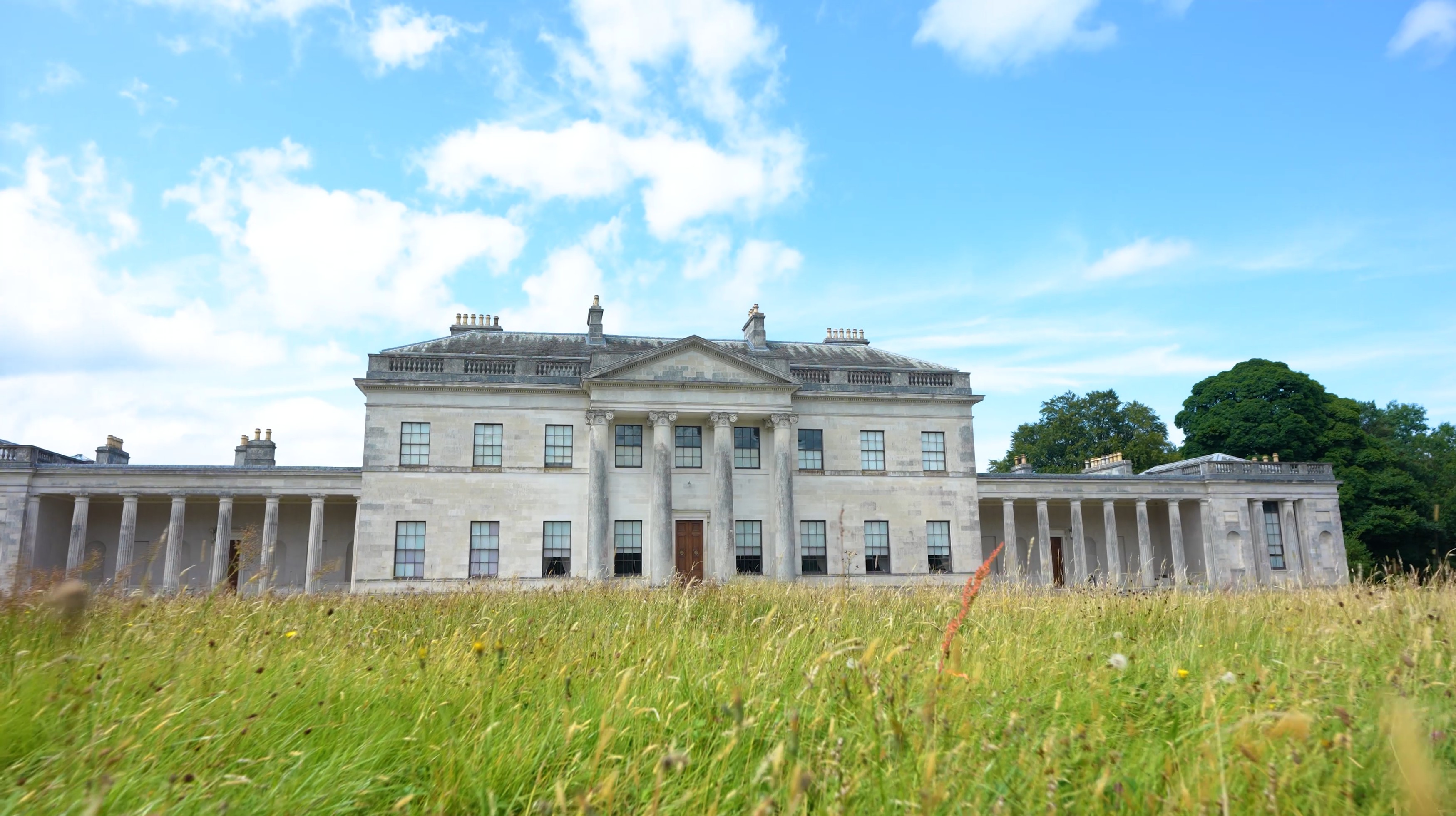
Viking raids in the 9th century targeted these monastic settlements, and the 14th‑century Maguires forged a powerful Gaelic lordship that shaped the landscape with fortified houses like Tully Castle. The 17‑century Plantation of Ulster introduced new settlers, adding Georgian estates such as Castle Coole and the National Trust‑managed Florence Court to the cultural tapestry. Today, the lake district’s layered history is visible at every turn – from ancient tombs to 18th‑century mansions – offering a living museum of Irish heritage.
What to See & Do
| Attraction | Highlights | Activity Type |
|---|---|---|
| Lough Erne | Two connected lakes, 154 islands, panoramic water vistas | Boating, kayaking, canoeing |
| Devenish Island | 12th‑century round tower, abbey ruins, small museum | Guided island tours |
| White Island | 12th‑century church remains, carved stone figures | Historical walk |
| Enniskillen | Town built on an island, Enniskillen Castle, museums | Cultural exploration |
| Magho Cliffs | Sweeping lake‑edge views between Belleek and Enniskillen | Scenic drive |
| Belleek | World‑famous Belleek Pottery, guided tours | Craft heritage |
| Boa Island | Janus stone – a rare double‑faced Celtic figure | Archaeological visit |
| Tully Castle | 17th‑century fortified house overlooking Lower Lough Erne | Ruin walk |
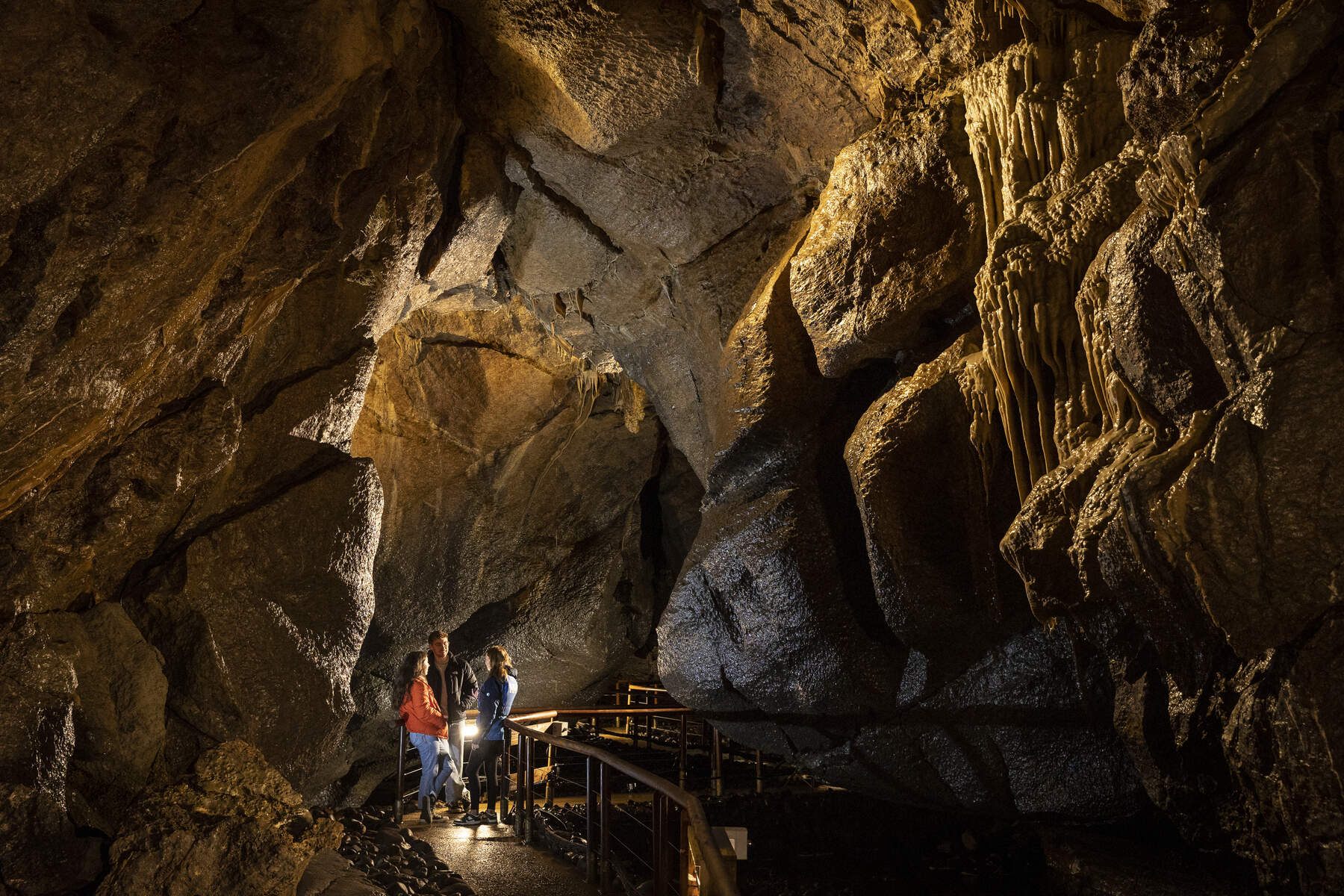
| Marble Arch Caves | Subterranean rivers, stalactites, guided underground tours | Cave exploration |
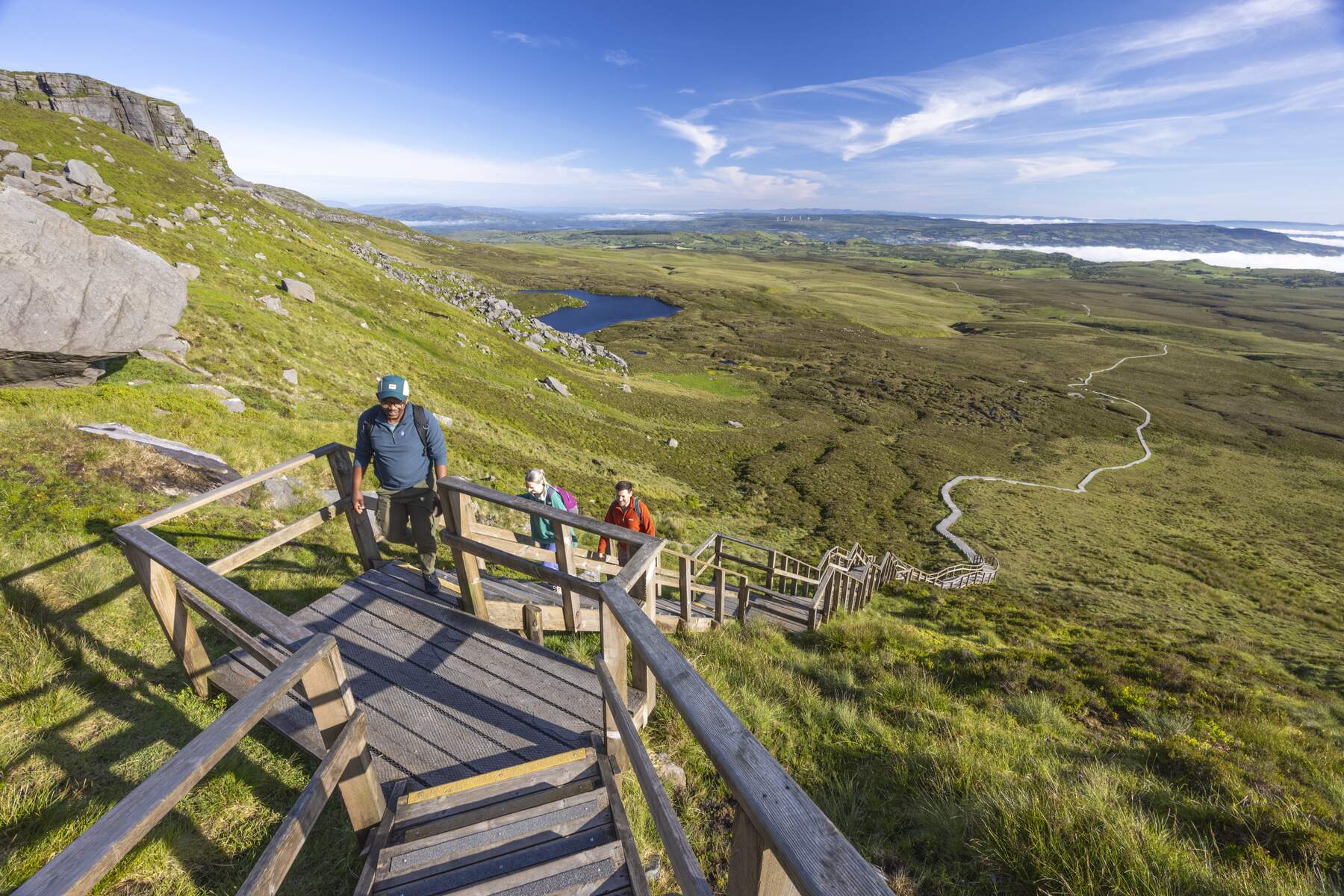
| Cuilcagh Boardwalk Trail (“Stairway to Heaven”) | Viewing platform with sweeping county vistas | Hiking |
| Florence Court | Palladian mansion, formal gardens, art collection | Estate tour |
| Castle Coole | Neo‑classical mansion, parkland walks | Heritage house |
| Kesh, Derrygonnelly, Irvinestown | Charming villages with local pubs, craft shops, and historic sites | Village strolling |
| Blessingbourne Estate | 550‑acre estate with mountain‑bike trails, private lough for boating | Adventure sports |
| Forest Domes at Finn Lough | Transparent domes for glamping under the stars | Unique accommodation |
| Headhunters Barber Shop & Railway Museum | Working barber shop combined with a railway collection | Quirky attraction |
| Crom Estate | Ancient woodlands, castle ruins, 800‑year‑old yew trees | Woodland walk |
| The Buttermarket | Restored 19th‑century market now an arts & crafts hub | Shopping & culture |
| Ely Lodge Forest | Walking trails and viewpoints over Lower Lough Erne | Nature walk |
| Water sports | Kayaking, canoeing, waterskiing, wakeboarding (Tudor Farm Watersports) | Active recreation |
| Fishing | Guided pike trips (Erne Adventures) and traditional 17‑ft fishing boats (Fermanagh Lodges) | Angling |
| Wild swimming | Muckross Bay (Kesh) and Carrickreagh Jetty (Ely Lodge) | Refreshing dip |
Outdoor Adventures
The lake district’s extensive waterways make it a paddler’s paradise. Kayak and canoe hire are available from Castle Archdale Boat Hire, Erne Adventures and Share Discovery Village. For a leisurely cruise, the Erne Water Taxi and Erne Tours run regular passenger services that stop at Devenish Island, Boa Island and the historic town of Enniskillen.
Cyclists can tackle the Cuilcagh Boardwalk Trail, a well‑maintained path that climbs to a viewing platform known locally as the “Stairway to Heaven”. Mountain‑bike enthusiasts will find purpose‑built trails at Blessingbourne Estate, while the gentle bridleways around Grizedale Forest (just over the border in the Republic) offer family‑friendly routes.
Practical Information
Getting There
- By car: From Belfast, take the M1 westbound, then the A4 to Enniskillen (≈ 90 minutes). From Dublin, travel north on the M3 to Cavan, then follow the A3 to Enniskillen (≈ 2 h 15 min). Parking is available in most towns and at designated car parks listed on the Lake District National Park website.
- By bus: Translink operates regular services from Belfast’s Europa Buscentre to Enniskillen (≈ 2 h 15 min). Bus Éireann runs a route from Dublin’s Busáras to Enniskillen (≈ 3 h). Check timetables for seasonal variations.
- By rail: The nearest railway station is Enniskillen, served by Northern Ireland Railways on the Belfast‑Derry line. From the station, local taxis and bus services connect to the lake district’s main attractions.
Visitor Facilities
- Information centres: The Enniskillen Visitor Centre provides maps, trail guides and advice on boat hire. Seasonal information points operate at Belleek and at the Marble Arch Caves visitor hub.
- Accommodation: Options range from boutique hotels such as the Leitrim Marina Hotel (near the Shannon‑Erne Waterway) to cosy B&Bs in Kesh and Derrygonnelly, as well as unique glamping domes at Finn Lough.
- Dining: Towns like Enniskillen and Belleek host a variety of eateries, from traditional Irish pubs serving locally sourced lamb to fine‑dining establishments showcasing regional produce.
- Accessibility: Selected hotels and some visitor centres offer wheelchair‑accessible rooms and facilities. The Marble Arch Caves provide limited accessibility routes; contact the site in advance for specific needs.
Seasonal Notes
The lake district enjoys a maritime climate with mild winters and cool summers. While rain is common year‑round, the water levels of Lough Erne remain reliable for boating and fishing throughout the season. The peak tourist period runs from May to September, when most boat tours and outdoor activities operate at full capacity.
Sample Transport Table
| Mode | Route | Approx. Duration | Frequency |
|---|---|---|---|
| Car | Belfast → Enniskillen (M1 + A4) | 1 h 30 min | Open‑road |
| Car | Dublin → Enniskillen (M3 → A3) | 2 h 15 min | Open‑road |
| Bus | Belfast Europa → Enniskillen (Translink) | 2 h 15 min | Every 2 h |
| Bus | Dublin Busáras → Enniskillen (Bus Éireann) | 2 h 45 min | 4‑6 times daily |
| Train | Belfast → Enniskillen (NI Railways) | 2 h 30 min | 6 trains daily |
Practical Tips Embedded
- The Lough Erne Ferry provides a vehicle‑carrying service across the lake, useful for reaching the western shores without a long detour.
- Boat rentals are often booked on a first‑come, first‑served basis during the summer; consider reserving online where possible, especially for larger vessels.
- Marble Arch Caves require a timed entry ticket; advance booking is recommended during school holidays.
- Cycling on the Cuilcagh Boardwalk Trail is best undertaken in the early morning to avoid crowds and enjoy the mist‑lit scenery.
Further Reading & Resources
- Official Lake District (Fermanagh) page: https://trips.ie/lake-district
- Enniskillen Castle information: https://www.enniskillencastle.co.uk/
- Marble Arch Caves visitor guide: https://www.visitbelfast.com/attractions/marble-arch-caves/
- Discover Ireland – Leitrim Marina Hotel (near the Shannon‑Erne Waterway): https://www.discoverireland.ie/accommodation/leitrim-marina-hotel
Whether you seek quiet contemplation on a secluded island, adrenaline‑filled water sports, or a walk through centuries‑old stone corridors, Fermanagh’s Lake District offers a richly layered experience that captures the spirit of Ireland’s wild waterlands.