Overview
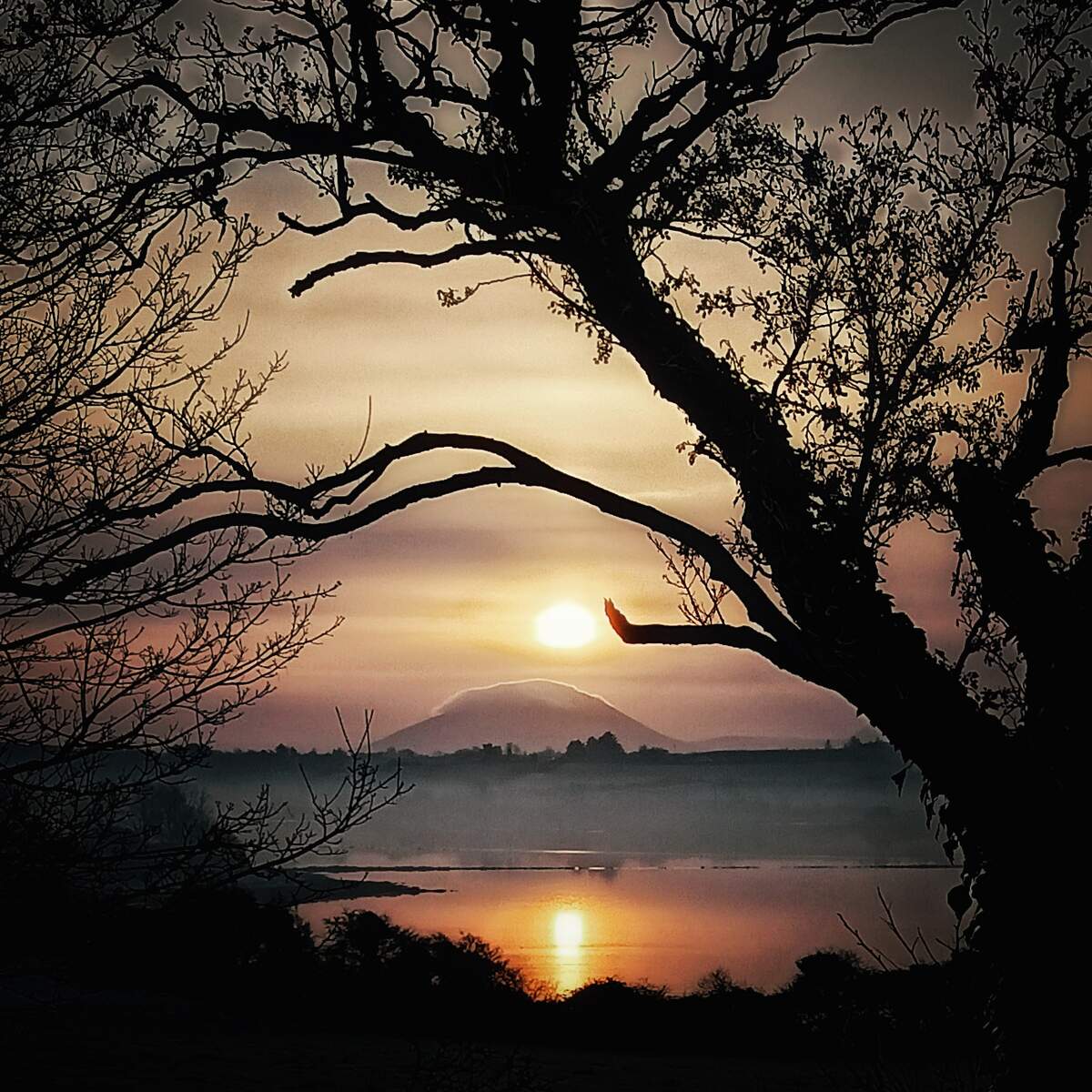
Little Erris Hill is a modest rise in the heart of the Barony of Erris, County Mayo. Its position provides a sweeping panorama of the Atlantic coastline, the surrounding blanket bog, and, on clear evenings, the lights of the four historic lighthouses that guard the Erris shoreline – Blacksod, Ballyglass, Eagle Island and Blackrock. The hill forms part of the landscape that helped Erris win the Irish Times’ 2014 Best Place to Go Wild competition, celebrated for its balance of nature, wilderness, beauty and accessibility.
The hill is easily reached by a short drive from Belmullet, the main town in Erris, and sits close to the sculpture in the centre of Belmullet that symbolises the view of the lighthouse lights from this very spot. From the summit visitors enjoy a 360‑degree outlook that captures dramatic cliffs, the rolling boglands of Ballycroy National Park, and the distant silhouettes of the Mullet Peninsula.
Background
The name “Erris” derives from the Irish Iar Ros, meaning “western promontory”, a fitting description for a region that juts out into the Atlantic. Historically the area has been a hub for maritime activity, with the lighthouses guiding ships through the treacherous waters of Blacksod Bay. While Little Erris Hill itself does not host a historic structure, its proximity to the lighthouse network ties it to the maritime heritage of the region.
The hill’s open, windswept character reflects the broader cultural landscape of Erris – a Gaeltacht area where Irish is still spoken daily, and where traditional music, storytelling and crafts thrive. During the summer months the hill becomes an informal gathering point for locals and visitors, especially when the lighthouse lights are most visible from its summit.
What to See & Do
- Lighthouse Light Viewing – On clear evenings the four lighthouse beacons can be seen twinkling across the horizon. This spectacle inspired the Belmullet town sculpture and makes the hill a favourite spot for photographers.
- Panoramic Photography – Unobstructed sightlines to the Atlantic, the blanket bogs of Ballycroy National Park and the rugged cliffs of Downpatrick Head provide striking sunrise and sunset opportunities.
- Birdwatching – The surrounding bogland and coastal cliffs attract corncrake, peregrine falcons, wintering geese and other seabirds.
- Stargazing – As part of the Mayo Dark Sky Park, the area enjoys minimal light pollution; the Milky Way is often visible on clear nights.
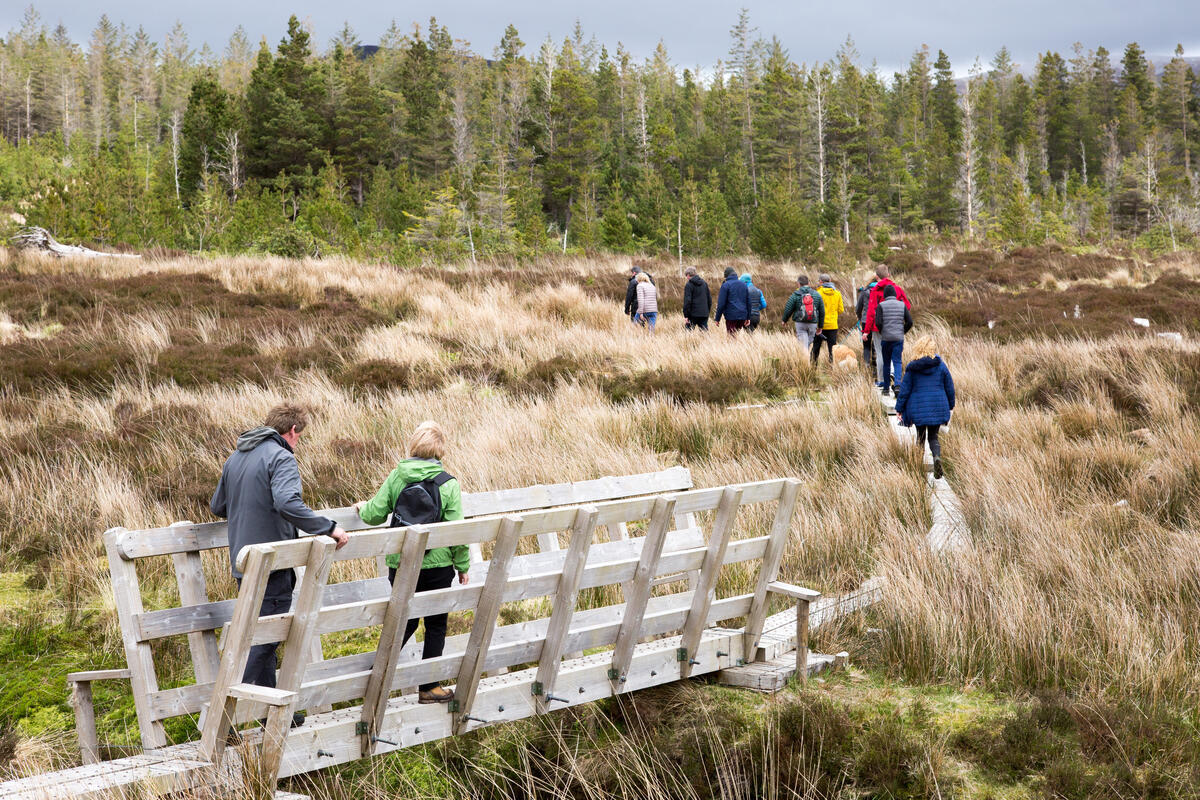
- Walking & Exploration – The hill serves as a convenient starting point for longer walks such as the Carrowteige Loop Walk or the Bangor Trail through Ballycroy National Park.
Practical Information
- Access – The hill is free to access year‑round. The most common approach is via the N59 from Ballina to Belmullet, then following local signage toward the sculpture in the town centre. A short, well‑marked footpath leads north from the sculpture to the summit.
- Parking – A small lay‑by beside the sculpture provides limited parking (typically 4‑6 cars). For larger groups, additional roadside parking is available on the minor road a few minutes’ walk away.
- Facilities – There are no visitor facilities, toilets or a formal visitor centre on site.
- Accessibility – The final ascent is a natural, uneven slope; sturdy footwear is recommended. The route may be challenging for visitors with reduced mobility.
- Safety – The hill is exposed to wind and rain; check the weather forecast and dress in layers. In wet conditions the ground can become slick.
Getting There
- By Car – From Ballina take the N59 west to Belmullet (approx. 45 km). In Belmullet follow signs to the town centre sculpture, then walk north to the hill. The total drive from Ballina is about 1 hour.
- Public Transport – Bus services run between Ballina and Belmullet (Bus Éireann route 440). From the Belmullet bus stop, the hill is a 10‑minute walk. Services are infrequent, so plan ahead.
- Guided Tours – Local operators such as Really Great Tours offer half‑day tours that include Little Erris Hill, the lighthouse network and nearby walks.
Seasonal Highlights
- Summer evenings – Long daylight hours make it easy to catch the lighthouse lights after dusk.
- Autumn – Bogland colours shift to gold and amber, providing dramatic backdrops for photography.
- Winter – Dark skies are at their deepest, ideal for Milky Way and aurora‑type photography.
- Spring – Migratory birds arrive, increasing the chances of spotting rare species such as the corncrake.
Wildlife & Birdwatching
The blanket bog and coastal cliffs support a range of wildlife. In addition to the corncrake and peregrine falcon, visitors may see barnacle geese, greylag geese and wading birds such as oystercatchers. Early mornings and late evenings give the best chances for sightings.
Nearby Points of Interest
| Attraction | Distance from Hill | Highlights |
|---|---|---|
| Blacksod Lighthouse | ~8 km | Guided tours, working lighthouse, historic pier |
| Ballycroy Visitor Centre | ~20 km | Interactive exhibits, Dark Sky designation, nature trails |
| Carrowteige Loop Walk | ~12 km | Coastal cliffs, Children of Lir sculpture |
| Belmullet Tidal Pool | ~2 km | Outdoor swimming pool, lifeguard patrol in July‑August |
| Áras Inis Gluaire | ~5 km | Bilingual arts centre, cinema and gallery |
When planning a visit, consider checking the weather forecast for the day, as the hill’s exposed position can make it windy. The best visibility for lighthouse lights and stargazing typically occurs after a clear, dry spell.
Explore more of Erris’s hidden gems on the North Mayo website or through local tour operators such as Really Great Tours, which specialise in guided experiences across the region.