
Overview
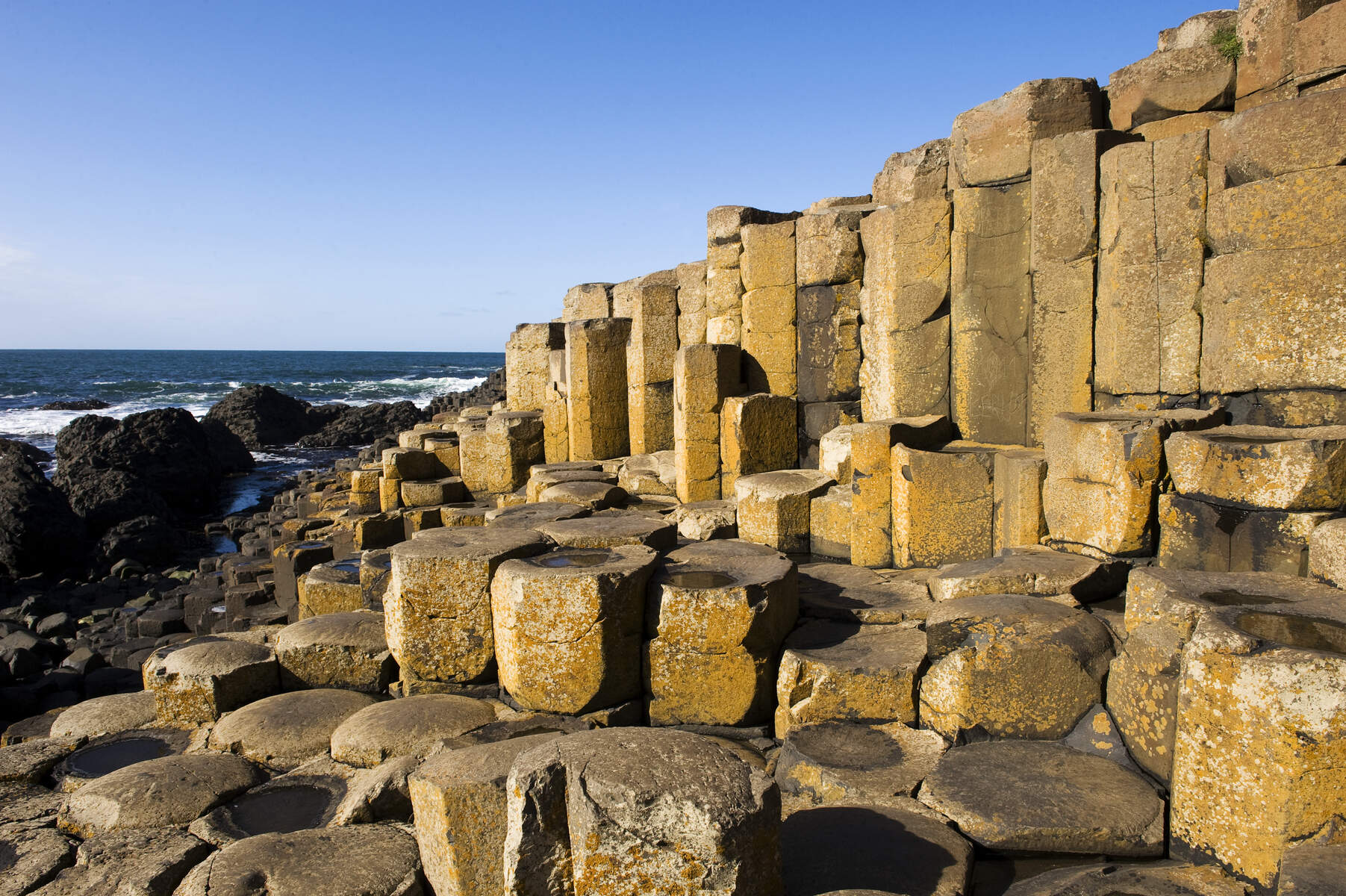
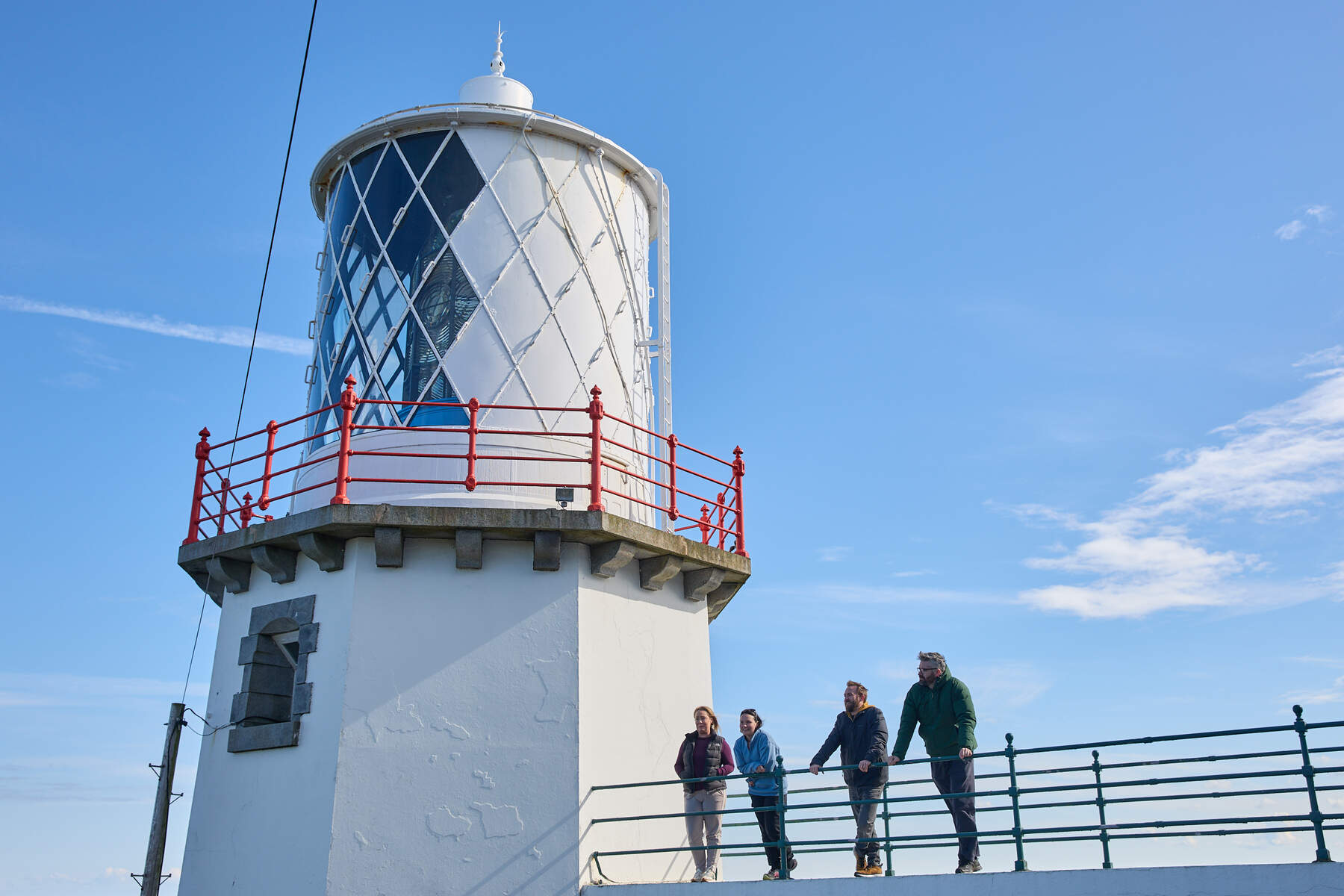
Maidens Rocks (Irish: Na Bheannaí) are a pair of small islands and a scattering of skerries situated about 9 km (5 mi) off the Antrim coast near the village of Ballygalley. The twin lighthouses that crown the Eastern (South) and Western (North) rocks have guided ships through the busy North Channel since the early 19th century. The rocks are a classic example of an olivine‑dolerite sill – a hard, erosion‑resistant intrusion that formed during the Paleogene‑Neogene volcanic episode that also created the Giant’s Causeway.
History
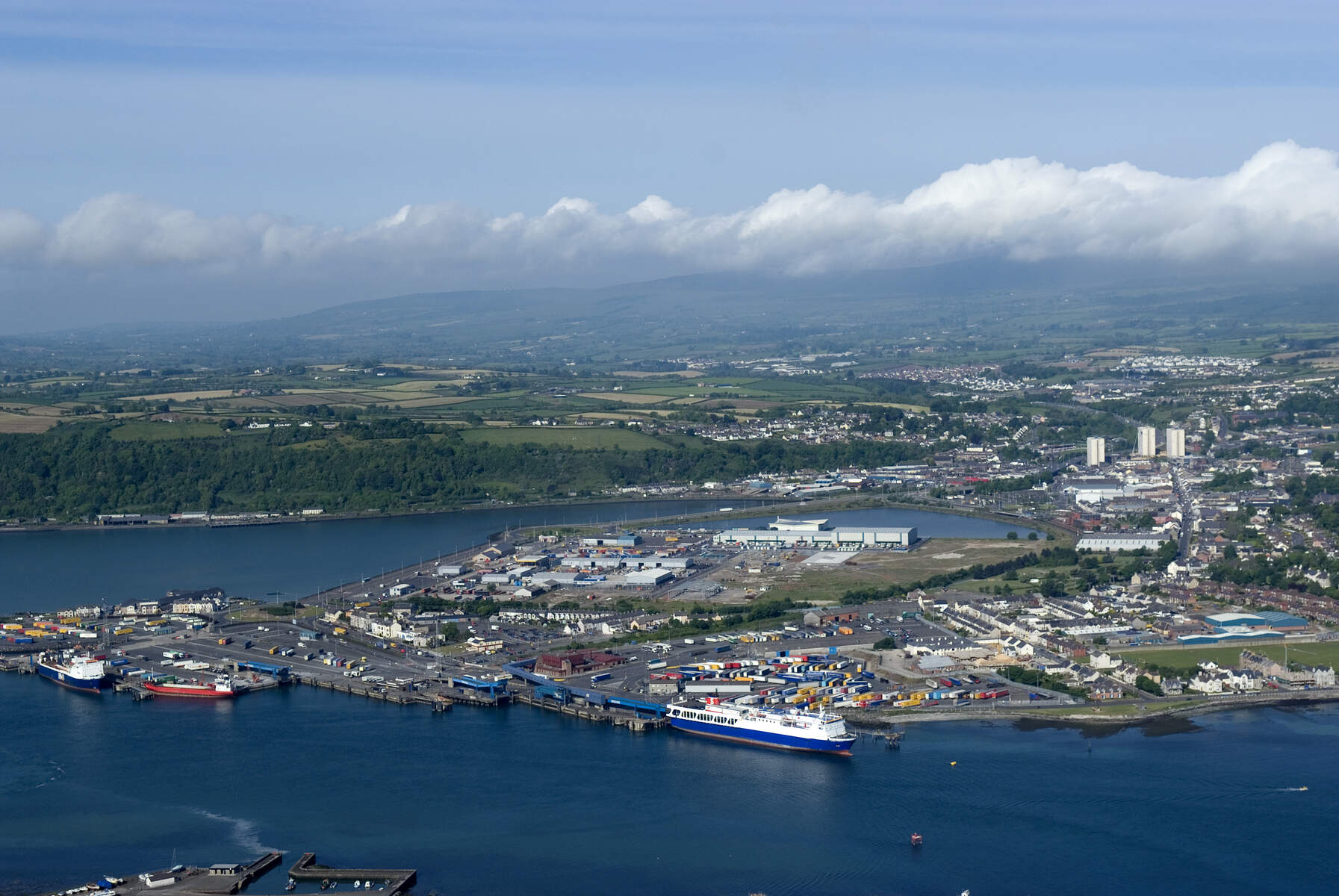
The story of Maidens begins with a practical need: in the 1820s, merchants from Larne and Admiral Benjamin Hallowell Carew petitioned the Ballast Board for a light to protect vessels navigating the treacherous channel. Inspector George Halpin recommended two towers, and Trinity House approved the scheme in August 1824. Designed and supervised by Halpin, the West (Northern) tower rose 84 ft above high water, while the East (Southern) tower stood 94 ft high. Both lights were first exhibited on 5 January 1829.
For decades, keepers and their families lived year‑round on the isolated rocks, tending the lamps and fog signals. In 1889 an auxiliary light was added to the East tower to cover the nearby Highland Rocks. By the turn of the 20th century, proposals to replace the West tower with a light‑vessel were debated, but the West tower remained operational until 12 March 1903, when an improved East‑tower light rendered it redundant.
The station was linked administratively to Ferris Point in 1906, and later, in 1951, it regained an independent principal keeper. The 1970s modernisation programme saw the lighthouse automated and its electric light installed on 12 October 1977, ending the era of resident keepers. Today the aid is monitored remotely from the Commissioners of Irish Lights headquarters in Dublin, with an on‑site attendant ensuring the light functions correctly.
Romantic Tale
Life on the rocks was isolated, but it also produced a dramatic love story. In the early 1830s the Assistant Keeper of the West tower, Thomas McKenna, fell in love with Mary Redmond, the daughter of the Principal Keeper at the East tower. Their families disapproved, and the couple resorted to secret boat trips and semaphore signals to communicate. Eventually they eloped to Carrickfergus, marrying in 1839 before being posted to other lighthouses around the island. The tale is recorded in the Commissioners of Irish Lights archives and adds a human dimension to the stark stone towers.
Modern Aids & Technology
- Racon – A radar beacon transmitting the Morse code “M” (—) was installed in 1996, helping modern vessels identify the lighthouse on their radar screens.
- Radar beacon – In 1996 a dedicated radar beacon was also added, further enhancing safety in the busy North Channel.
- Automation – The electric light went live on 12 October 1977 and the keepers were withdrawn on 31 October 1977. The station is now monitored from Dublin and by an on‑site attendant.
- Light characteristic – Since September 2010 the light flashes three white lights every 15 seconds (Fl (3) W 15s) with a nominal range of 23 nautical miles.
What to See & Do
- Twin Lighthouses – The East (Maidens) lighthouse, now a single automated tower, flashes three white lights every 15 seconds and can be seen for 23 nautical miles. Its tower stands 23 m tall, with the light at 29 m above sea level. The West tower is no longer lit; its stone tower remains standing but the lantern has been removed.
- Geological Marvel – The rocks expose a classic olivine‑dolerite sill, offering a tangible link to the volcanic forces that shaped the Antrim coastline. Geology enthusiasts can compare the sill to nearby formations at Fair Head, Portrush, and the Knocksoghey sill.
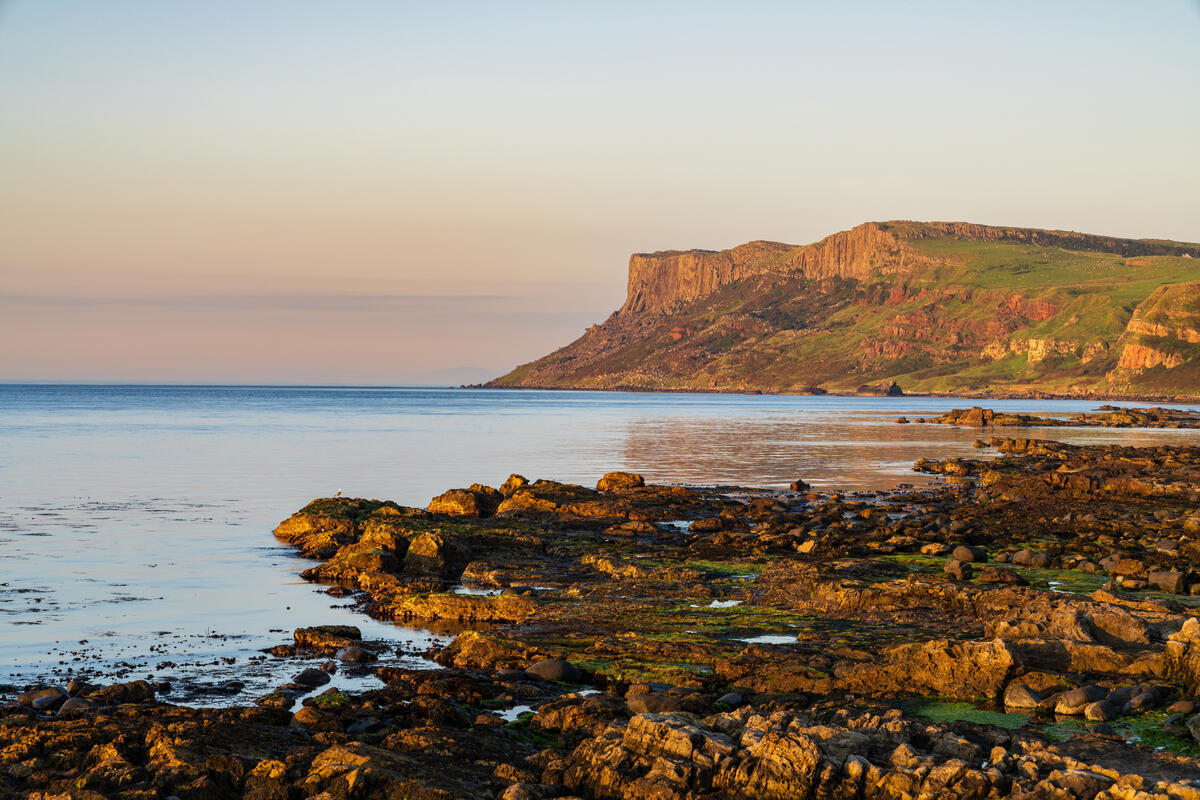
- Coastal Views – From Ballygalley’s shoreline, the silhouettes of the towers dominate the horizon, especially at dusk when the white flashes punctuate the sea. Photographers will appreciate the dramatic contrast of dark rock against the Atlantic sky.
- Boat Excursions – Local charter operators (e.g., Abhainn Cruises) run short trips that bring visitors within a few metres of the islets, allowing close‑up observation of the lantern and the surrounding seabed. Boats operate mainly between May and September; check the operator’s website for the latest timetable.
| Feature | Specification |
|---|---|
| Height of Tower | 23 m |
| Height of Light (MHWS) | 29 m |
| Light Character | Fl (3) W 15s (24 h) |
| Range | 23 nm |
| Coordinates | 54°55.748’ N, 05°43.669’ W |
| Year Automated | 1977 |
| Racon | Morse “M” |
Practical Information
Maidens Rocks are uninhabited and there is no public access to the islands themselves; visitors view the lighthouses from the sea or from the nearby coast. The nearest parking and launch point is at Ballygalley, where local boat tours depart during the summer months. There is no admission fee and no on‑site facilities, so plan accordingly.
Getting there – From Belfast, take the A2 north to Ballygalley (approximately 45 km). Follow local signs to the village harbour. The drive offers scenic coastal vistas, and the short boat ride to the rocks adds a memorable maritime element to any Antrim itinerary.
Seasonal notes – The lighthouse remains fully operational year‑round, and its flashing pattern is unchanged throughout the year. Boat tours are most frequent between May and September, when daylight hours are longest and sea conditions are typically calmer.
Nearby attractions – The Maidens sit within the spectacular Antrim Coast and Glens area, making it easy to combine a visit with a walk along the coastal path, a stop at the historic Ferris Point lighthouse, or a detour to the dramatic cliffs of Fair Head.
For the most up‑to‑date information on light characteristics or to arrange a private boat charter, consult the official Irish Lights page:
Commissioners of Irish Lights – Maidens Lighthouse
For a broader geological context, see the Wikipedia entry on the Maidens:
Maidens Rocks combine natural drama, geological significance, and a rich maritime heritage, making them a compelling stop for history buffs, geology fans, and anyone seeking a striking coastal experience on Ireland’s north‑eastern shoreline.