
Overview
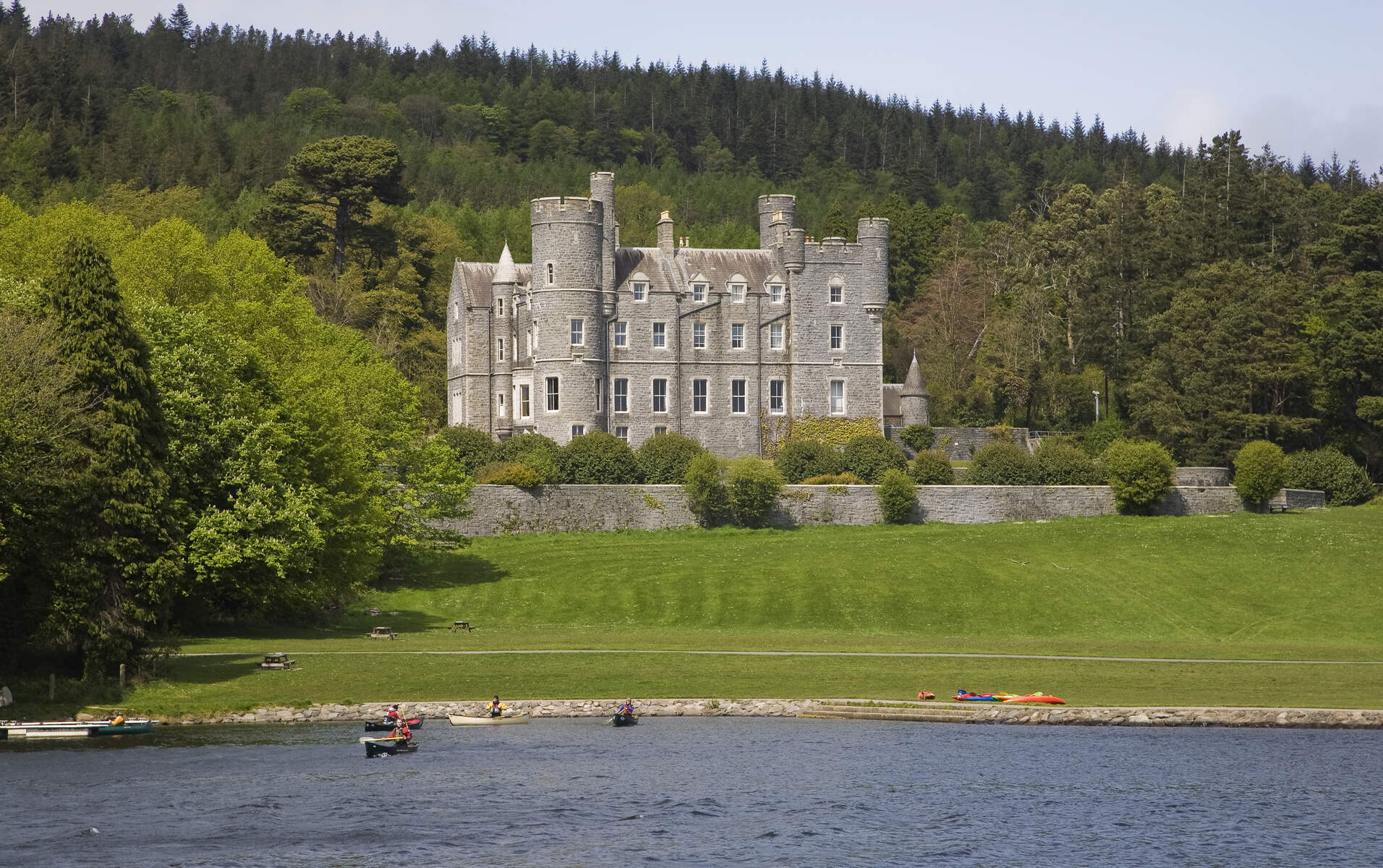
Manorhamlet sits quietly in the rolling landscape of north‑west County Leitrim, a region celebrated for its dramatic glens, sparkling lakes and well‑preserved heritage. The modest village, with its traditional stone cottages, cosy pubs and a handful of local shops, serves as the natural gateway to the North Leitrim Glens – a series of seven verdant valleys that have inspired poets, painters and hikers for generations. Just north of the settlement, perched beside a tributary of the Owenmore River, stands Manorhamlet Castle, a striking 17th‑century plantation stronghold visible from the R280 Sligo‑to‑Enniskillen road.
History / Background
The origins of Manorhamlet trace back to the medieval kingdom of Breifne, growing around a modest market centre on historic trade routes linking Connacht with Ulster’s coast. Many village stone buildings date from the 18th and 19th centuries, reflecting a period of modest agricultural prosperity.
Manorhamlet Castle was erected between 1634 and 1638 by Sir Frederick Hamilton, a Scotsman granted the lands during the Plantation of Ulster. Intended as both a defensive bastion and a statement of authority, the fortress changed hands several times before the Daly family acquired it in 1993 and carried out a careful restoration in the early 2000s, stabilising the walls and creating visitor‑friendly pathways.
What to See & Do
Walking the Glens
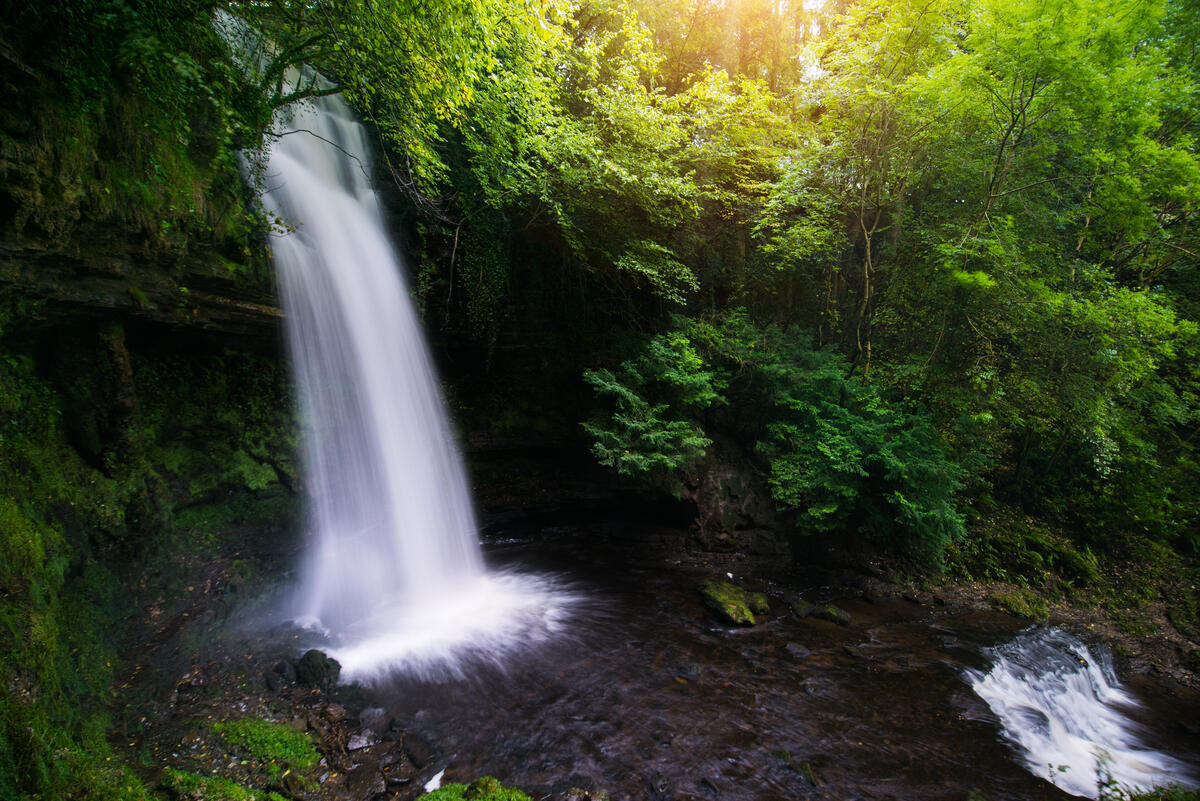
The North Leitrim Glens radiate from the village – Glenade, Gleniff, Glenariff, Glenveagh, Glenmore, Glenlough and Glenbawn – each offering woodland paths, waterfalls and panoramic viewpoints. Trails range from gentle family loops to challenging hill walks with sweeping vistas over Lough Gill and the drumlin landscape. The Manorhamlet‑Glenade Valley Scenic Looped Drive provides a car‑friendly way to soak in forested lanes, ancient stone walls and photo‑stop spots.
Heritage Trail in the Village
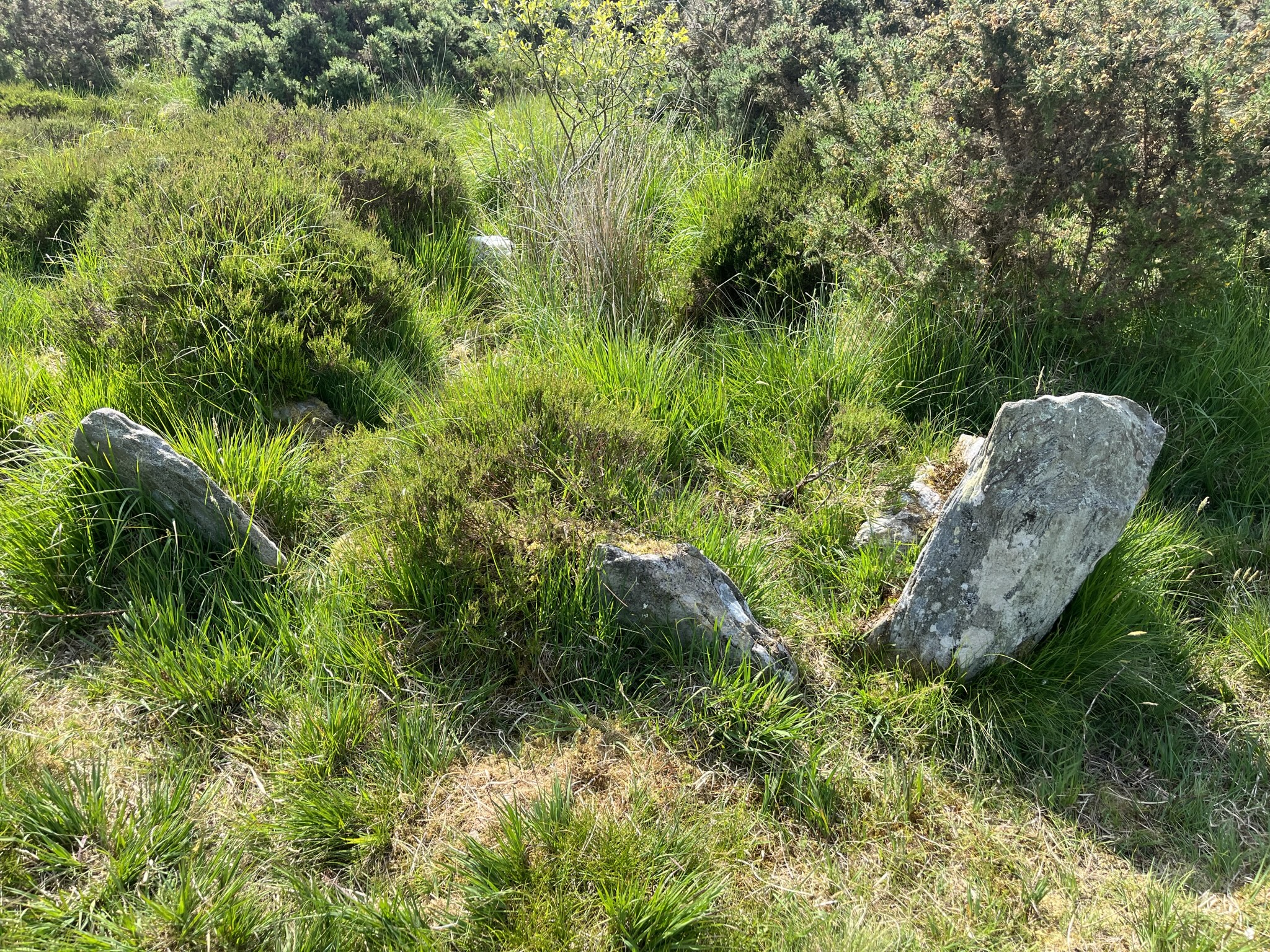
A short self‑guided walk through the centre follows interpretive panels that recount Manorhamlet’s evolution. Highlights include the restored Manorhamlet Market House, where local artisans display crafts, and St. Patrick’s Church, a modest Gothic‑revival building with stained‑glass windows depicting local folklore.
Pubs and Cuisine
After a day of exploring, the Old Mill Pub offers hearty Irish stews, locally sourced seafood and craft ales brewed in nearby Donegal. Weekend live‑music sessions showcase fiddlers and singers, delivering an authentic taste of the region’s musical heritage.
Seasonal Events
In summer the village hosts a modest Glens Festival, celebrating local music, craft and food, while the surrounding countryside comes alive with walkers and cyclists.
Manorhamlet Castle Experiences
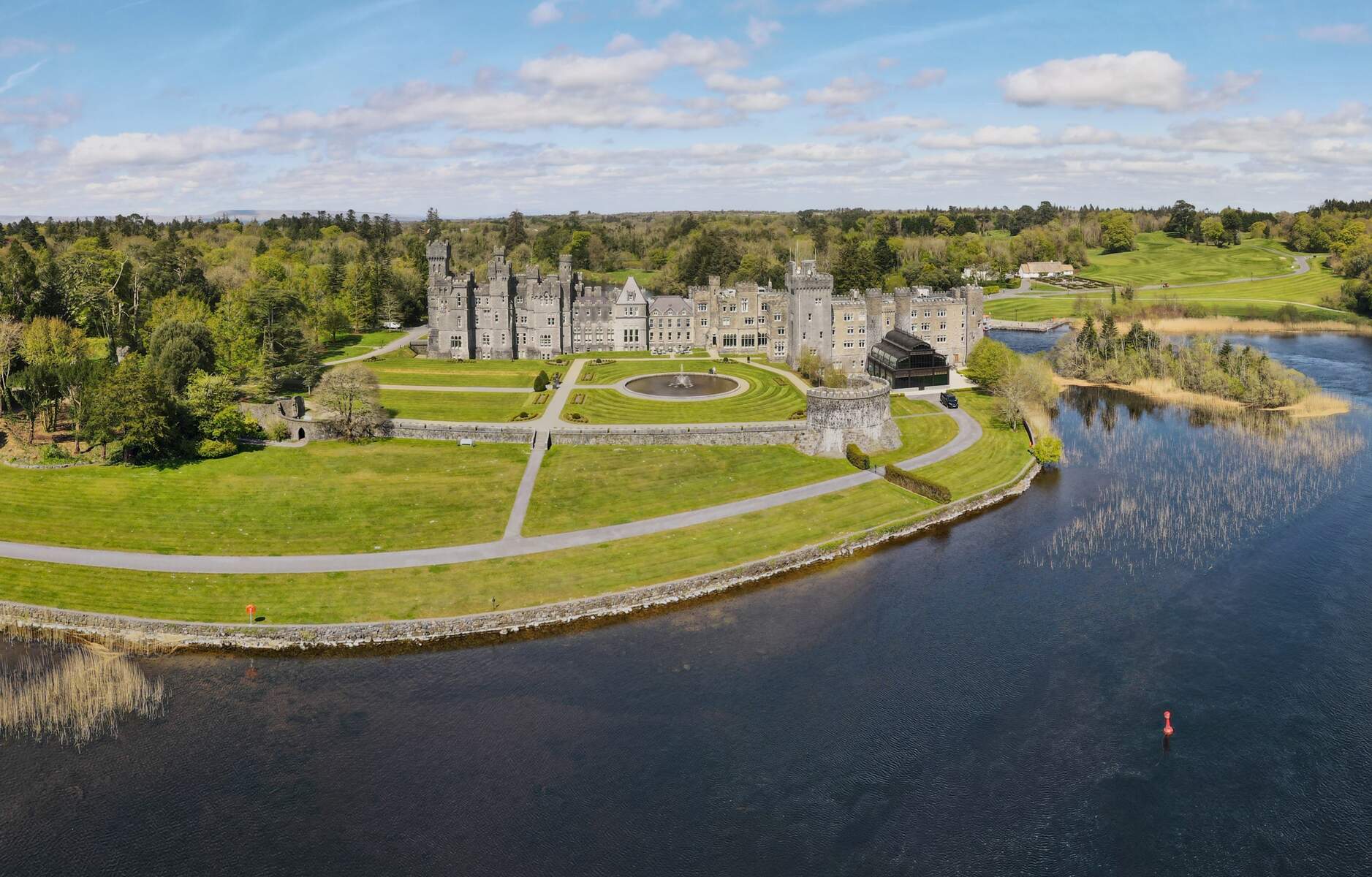
- Guided Castle Tour – An experienced guide leads visitors through the restored ruins, pointing out original masonry, arrow slits and the remains of the great hall, while weaving Hamilton’s ambitions and the castle’s role in the Irish Confederate Wars into the narrative.
- Heritage Centre Exhibition – A modest visitor building houses artefacts recovered from the castle and its environs, including period weaponry, 17th‑century pottery fragments, replica costumes and a detailed scale model of the castle at its prime.
- Panoramic Views – The hilltop location affords sweeping vistas over the village, the drumlin landscape of Leitrim and the meandering Owenmore River – a photographer’s delight throughout the seasons.
- Family Exploration – Open‑air layouts encourage children to imagine themselves as medieval knights, while tactile displays in the exhibition engage younger minds.
Getting There
Manorhamlet is accessed via the R280, which links Sligo to Enniskillen. Regular Bus Éireann services run between Sligo and Manorhamlet, stopping in the village centre. For drivers, free parking is available beside the castle heritage centre and at several lay‑bys along the scenic loop drive. The nearest train station is in Sligo, about 30 km away, with onward connections by bus or taxi.
Nearby Attractions
While based in Manorhamlet, consider a short drive to these Leitrim highlights:
- Creevelea Abbey – A 16th‑century Franciscan friary set on the shores of Lough Gill, reachable via the R280 (Creevelea Abbey).
- Ballinamore – A bustling market town with a lakeside promenade and angling opportunities (Ballinamore).
- Lough Melvin – Renowned for its trout fishing and scenic walks, located north‑west of the village.
- Leitrim Hills – Offer extensive hill‑walking routes with panoramic views of the surrounding glens.
Practical Information
- Castle opening times – Open year‑round. Typical summer hours are 10:00 am – 5:00 pm; winter hours are 10:00 am – 4:00 pm (verify current times).
- Village amenities – Pubs, the market house and local shops are generally open from morning until early evening; exact times vary seasonally.
- Access & parking – The village and castle are easily reached via the R280. Parking is available near the castle heritage centre and at several lay‑bys along the scenic drive.
- What to bring – Comfortable walking shoes for glen trails, a rain jacket (weather can change quickly), and a camera for the panoramic hilltop views.
Enjoy the blend of natural splendour, historic intrigue and warm Irish hospitality that makes Manorhamlet a distinctive destination in County Leitrim.