
Overview
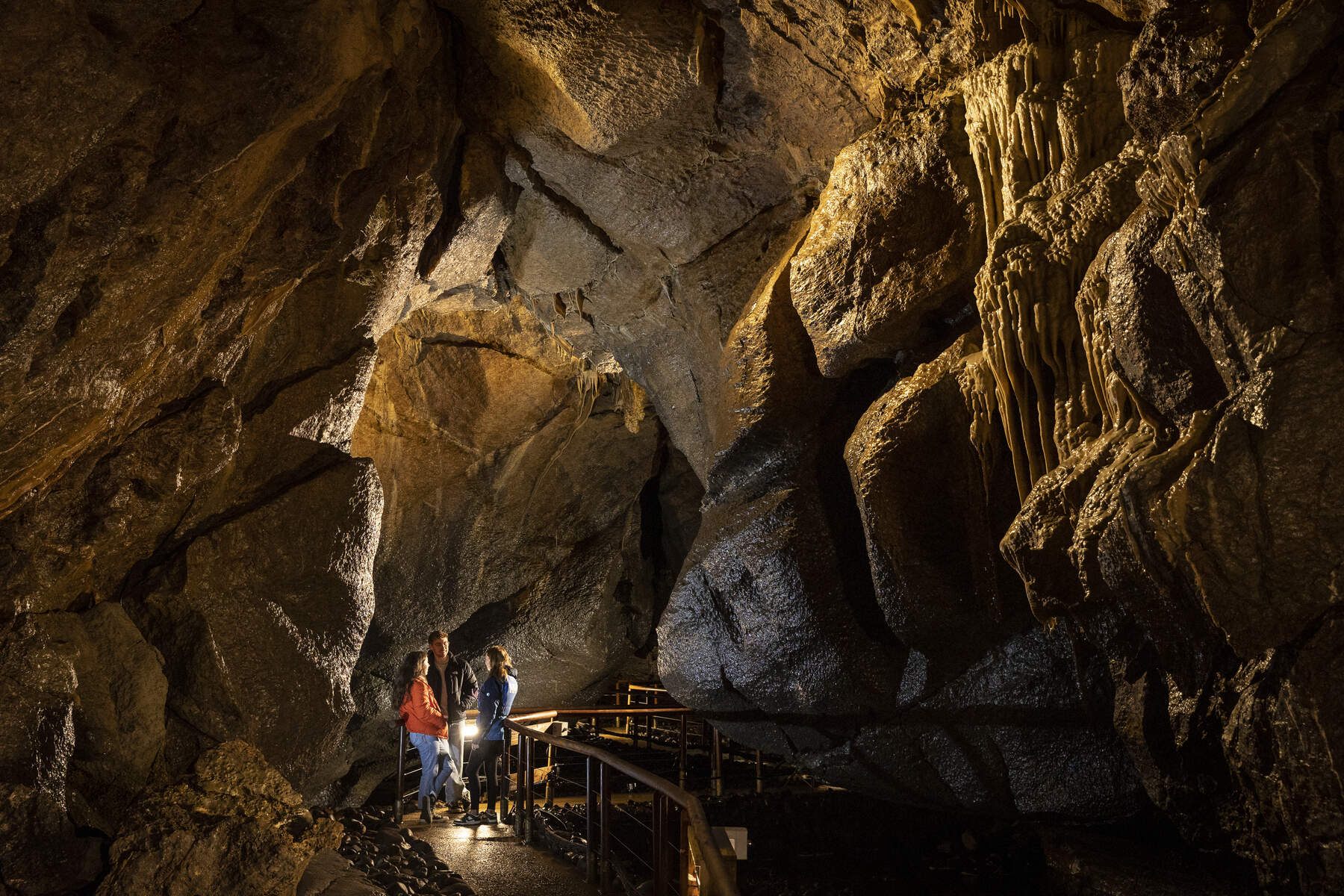
Nestled in the limestone hills that crown the border between Northern Ireland and the Republic, the Marble Arch Caves are the longest known cave system in Northern Ireland and one of the most active river show‑caves in the British Isles. Formed over 340 million years ago, the underground passages stretch more than 11 km, where three rivers – the Owenbrean, the Aghinrawn and the Sruh Croppa – converge beneath the surface before resurfacing at the spectacular Cladagh Glen resurgence. The caves sit at the heart of the Cuilcagh Lakelands UNESCO Global Geopark, making them a natural focal point for geology lovers, families, and anyone seeking a dramatic underground adventure.
History
The limestone landscape above the caves has been known since the 1730s, when Reverend William Henry described the arch‑shaped limestone bridge that gave the site its name. Yet the subterranean world remained untouched until 1895, when French speleologist Édouard‑Alfred Martel and Dublin naturalist Lyster Jameson entered the darkness in a canvas boat, lighting their way with candles and magnesium flares. Their daring expedition mapped the first 300 m of passages, including the iconic Junction where the three rivers meet.
Subsequent decades saw a succession of explorations by the Yorkshire Ramblers’ Club (1907‑1908), further breakthroughs in the 1930s, and pioneering cave‑diving in the 1960s that opened the massive Legnabrocky Way and the Giant’s Hall – a chamber 60 m long, 30 m high and 15 m wide. The tragic 1995 Lower Cradle Hole accident reminded the caving community of the system’s power, prompting stricter safety measures and a memorial plaque outside the Lower Cradle entrance.
From 1982 to 1985 the site was transformed into a visitor‑friendly show cave: concrete walkways, handrails, electric lighting, and a purpose‑built boat jetty were installed, allowing tourists to follow the same route that Martel and Jameson first charted. The show cave opened on 29 May 1985 and quickly became a flagship attraction, drawing a million visitors between 1985 and 2008.
In 2001 the caves and the surrounding landscape were designated a European Geopark, later upgraded to a UNESCO Global Geopark – the first cross‑border geopark in the world when its boundaries were extended into County Cavan in 2008.
What to See & Do
A typical guided tour lasts about 75 minutes. Visitors board a flat‑bottomed boat for a short 10‑minute underground river cruise, gliding past the dramatic Grand Gallery and the Moses Walk, where the river runs shoulder‑high on either side of a low‑ceiling passage. After disembarking, the walk continues through a series of illuminated chambers:
- Guardian Angel – a towering stalactite that dominates the ceiling of the Pool Chamber.
- Porridge Pot – a massive calcite flow that resembles a bubbling cauldron.
- Organ Pipes – a series of parallel stalactites that produce a natural organ‑like silhouette.
- Giant’s Hall – the largest passage in the system, discovered during the 1960s diving era.
Guides weave geological facts with folklore, recounting tales of witches, fairies and the 19th‑century tourist fascination with the natural marble arch above the resurgence. For those who prefer to stay dry, the visitor centre offers a state‑of‑the‑art Virtual Reality Experience, a 5‑minute 8K panoramic journey that reproduces the underground river and chambers.
Special events are held throughout the year, ranging from candle‑lit night tours to sound‑bath sessions and even yoga classes in the cavern’s echo‑rich ambience.
Practical Information
Getting There
- By Car – From Belfast, follow the M1 west to the A4, then the B46 to Florencecourt (≈ 2 h). From Dublin, the same route via the M1 and A4 takes about 3 h. The site is sign‑posted from the B46; the car park sits a short 50 m walk from the entrance.
- Public Transport – A seasonal summer bus (Ulsterbus 261) runs from Enniskillen to Florencecourt, stopping at the visitor centre. Coaches can also drop directly at the car park.
- Airports – Belfast International Airport is a 45‑minute drive to Enniskillen; Dublin Airport is about 2 h 30 min.
Parking & Facilities
Free on‑site parking is available for cars, coaches and five Blue‑Badge‑designated disabled spaces. The car park closes outside operational hours, but a drop‑off point remains open for taxis and buses. The visitor centre houses a café, a souvenir shop, free Wi‑Fi, toilets (including disabled facilities) and an electric‑vehicle charging point.
Tour Details
- Duration – Approximately 75 minutes (10 min boat, 1.5 km walking).
- Fitness – A basic fitness level is required; the route includes 154 steps and uneven stone surfaces. Wheelchair access is not available.
- Temperature – The cave interior stays around 10 °C year‑round; a light coat is advisable.
- Booking – Advance online booking is strongly recommended, especially during the peak season (April – September). Walk‑in tickets are limited and may sell out.
Admission & Prices
| Ticket Type | Price (GBP) |
|---|---|
| Adult (18 +) | £16.00 |
| Child (5 – 17) | £8.00 |
| Family (2 adults + 2 children) | £40.00 |
| Family (2 adults + 3 children) | £48.00 |
| Student (18 +) | £14.00 |
| Senior (65 +) | £14.00 |
| VR Experience (Adult) | £3.00 |
| VR Experience (Child) | £3.00 |
Children under 4 are free but must be ticketed; they are required to be accompanied by an adult. Concession tickets require valid ID.
Opening Hours
| Facility | Hours |
|---|---|
| Visitor Centre | 09:00 – 17:00 (daily) |
| Guided Cave Tours | 10:00 – 17:00 (last tour starts 16:30) |
The caves are closed from October to March; check the official website for any seasonal adjustments.
Nearby Attractions
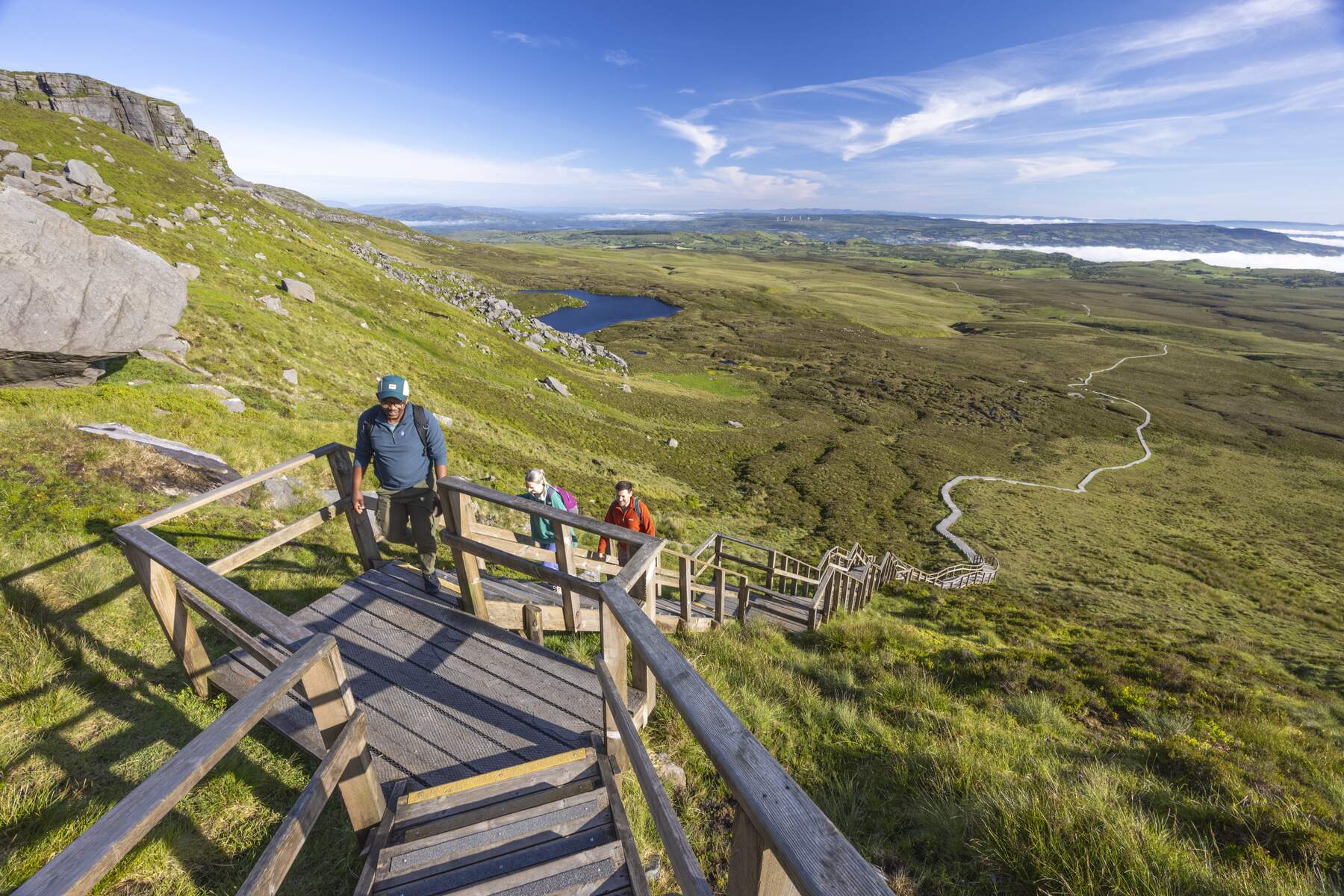
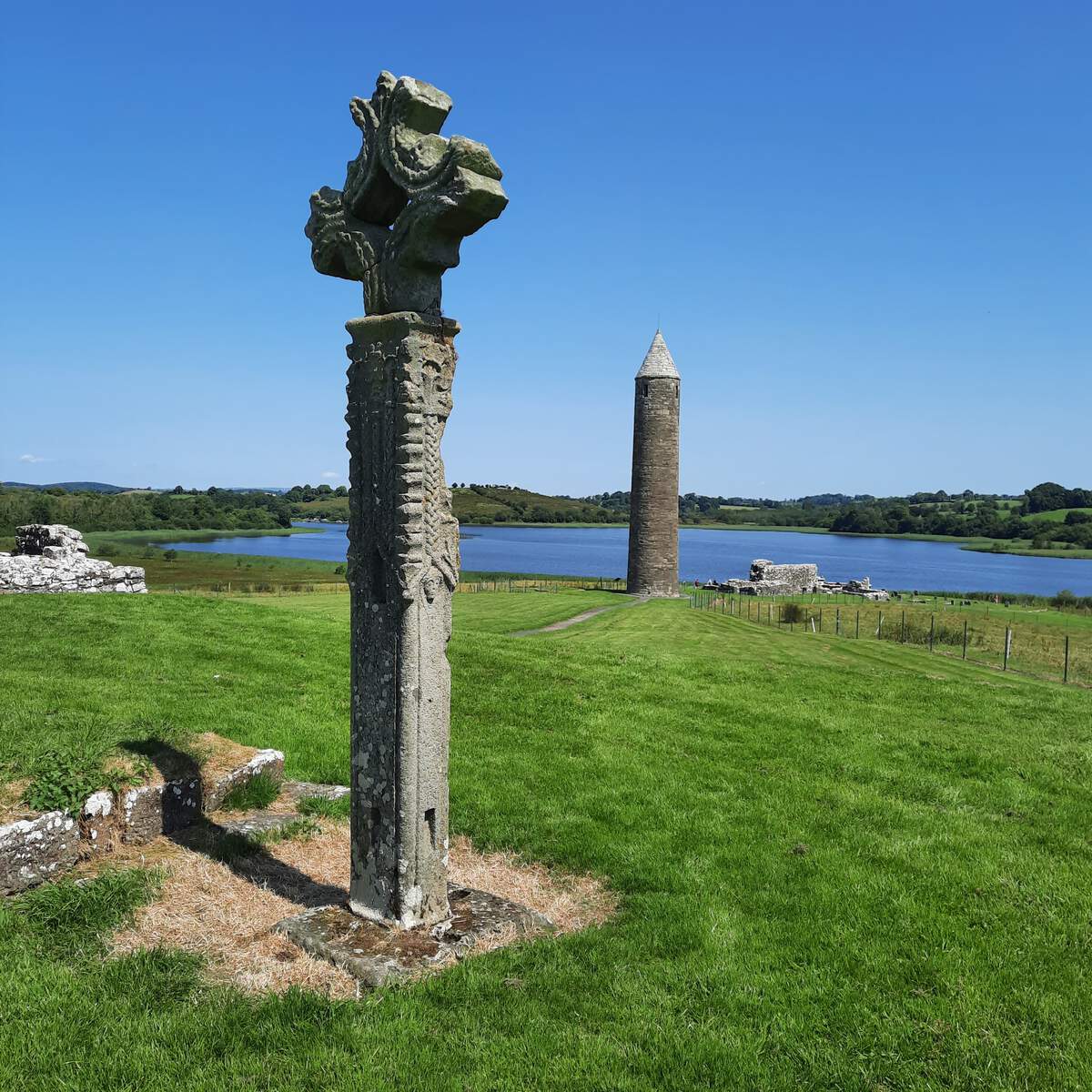
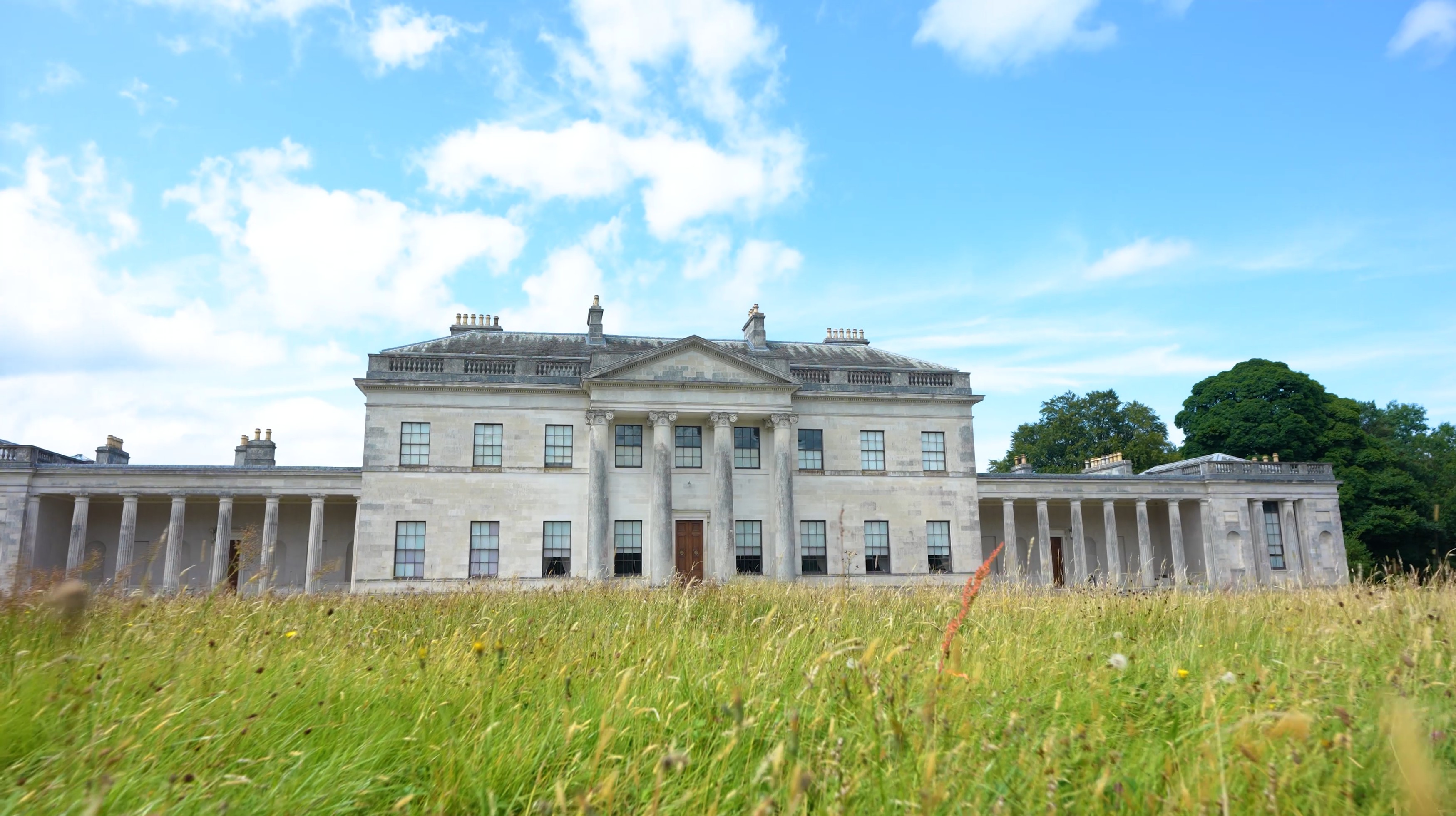
The caves sit within the Cuilcagh Lakelands Geopark, offering easy access to the Cuilcagh Boardwalk (the “Stairway to Heaven”), the Cladagh Glen Walk, and historic sites such as Devenish Island
Visiting the Marble Arch Caves is a journey through deep time, where ancient rivers have carved a hidden realm beneath the rolling Fermanagh hills. Whether you’re a geology enthusiast, a family looking for a memorable day out, or a traveller eager to step into a UNESCO‑recognised geopark, the caves deliver drama, education and a touch of the mystical – all within a comfortably guided experience.