
Overview
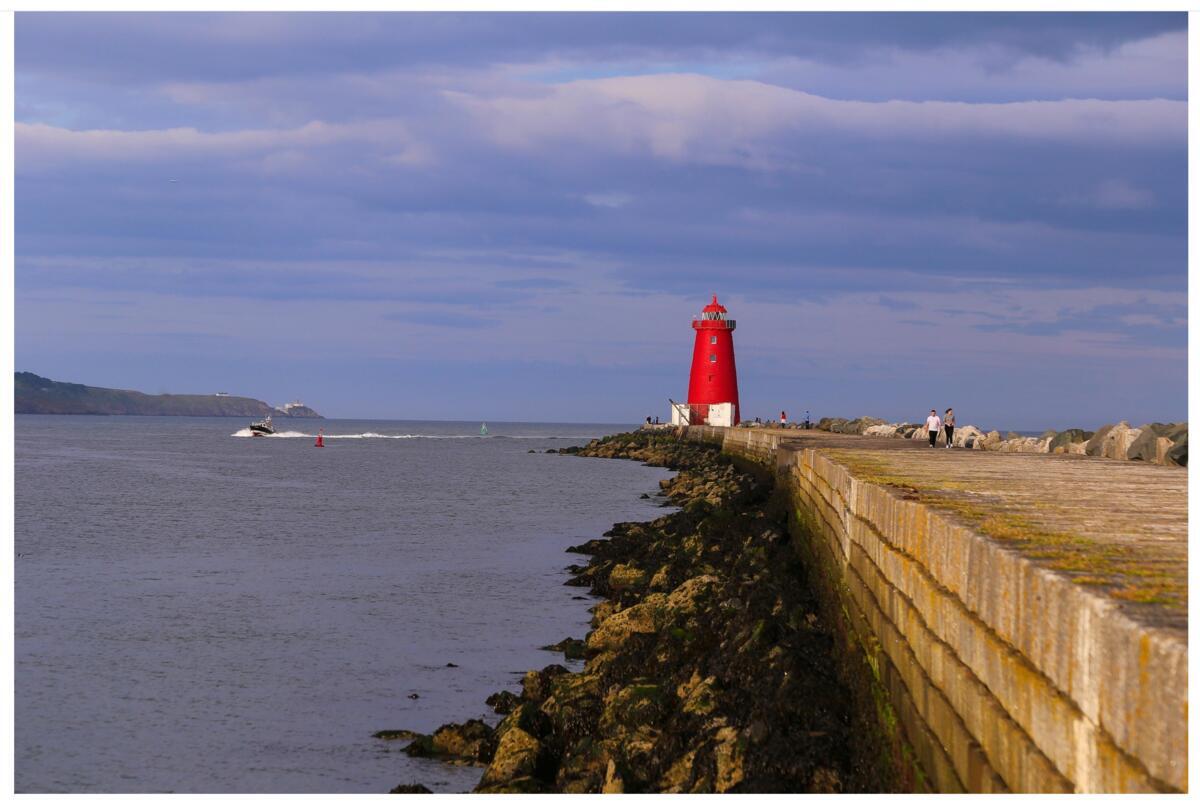
Ormond Quay Lower runs along the north‑bank of the River Liffey in the heart of Dublin’s North City. The street is a favourite among locals and visitors alike for its blend of historic architecture, bustling cafés, traditional pubs and striking river views. The quay itself is a granite ashlar promenade built around 1800, forming part of a continuous line of quays that have framed Dublin’s commercial life since the medieval period. Today, the area is a lively promenade where you can sip a coffee, enjoy a Michelin‑recognised meal, or simply watch the river traffic drift past the iconic Millennium Bridge.
History

The story of Ormond Quay Lower is inseparable from Dublin’s maritime past. The quay was constructed between 1790 and 1810 as a granite ashlar wall with a saddle‑back finish, providing a sturdy landing place for the city’s bustling trade on the Liffey. Its design reflects early‑nineteenth‑century engineering, with timber boardwalks on a steel framework and iron stays that once led down to the water level.
The quay’s name honours James Butler, 1st Duke of Ormonde, and its development began in the 1670s when Sir Humphrey Jervis laid out the formal quay‑line on former St Mary’s Abbey lands. Two bridges – Essex Bridge (now Grattan Bridge) and Ormond Bridge (now O’Donovan Rossa Bridge) – were built in the late 1670s, linking the new north‑side suburbs with the medieval walled city. Over the following centuries, the quays became a ribbon of merchant houses, warehouses and taverns, mirroring Dublin’s growth as Ireland’s principal port.
Number 18 on Ormond Quay (now part of the Lower stretch) exemplifies this evolution. Originally a modest 1680s river‑front house, it was rebuilt in 1742‑43, again in the early 1840s, and later adapted for a range of uses – from a tavern in 1821 to the Douglas Hotel and Restaurant in 1912, and even a gun‑making workshop in the 1970s. Its granite‑arcaded shopfront, installed in 1789 and later heightened with cast‑iron corbels in the 1840s, survives as a rare physical reminder of the quay’s Georgian commercial character.
Since the turn of the millennium the quay has been linked to Wellington Quay on the south side by the prefabricated steel truss Millennium Bridge, further cementing its role as a pedestrian thoroughfare and a visual focal point for the Liffey’s modern skyline.
What to See & Do
Architectural Highlights
- Granite Ashlar Quay – Walk the original early‑19th‑century granite wall and notice the distinctive saddle‑back finish that gives the quay its subtle profile.
- Millennium Bridge Entrance – The bridge pier cuts through the quay wall, offering a striking juxtaposition of historic stone and contemporary steel.
- Historic Shopfronts – Look for the semi‑circular granite arches on the river façade of Number 18; they date back to 1789 and were later enhanced with 1840s cast‑iron detailing.
Food & Drink
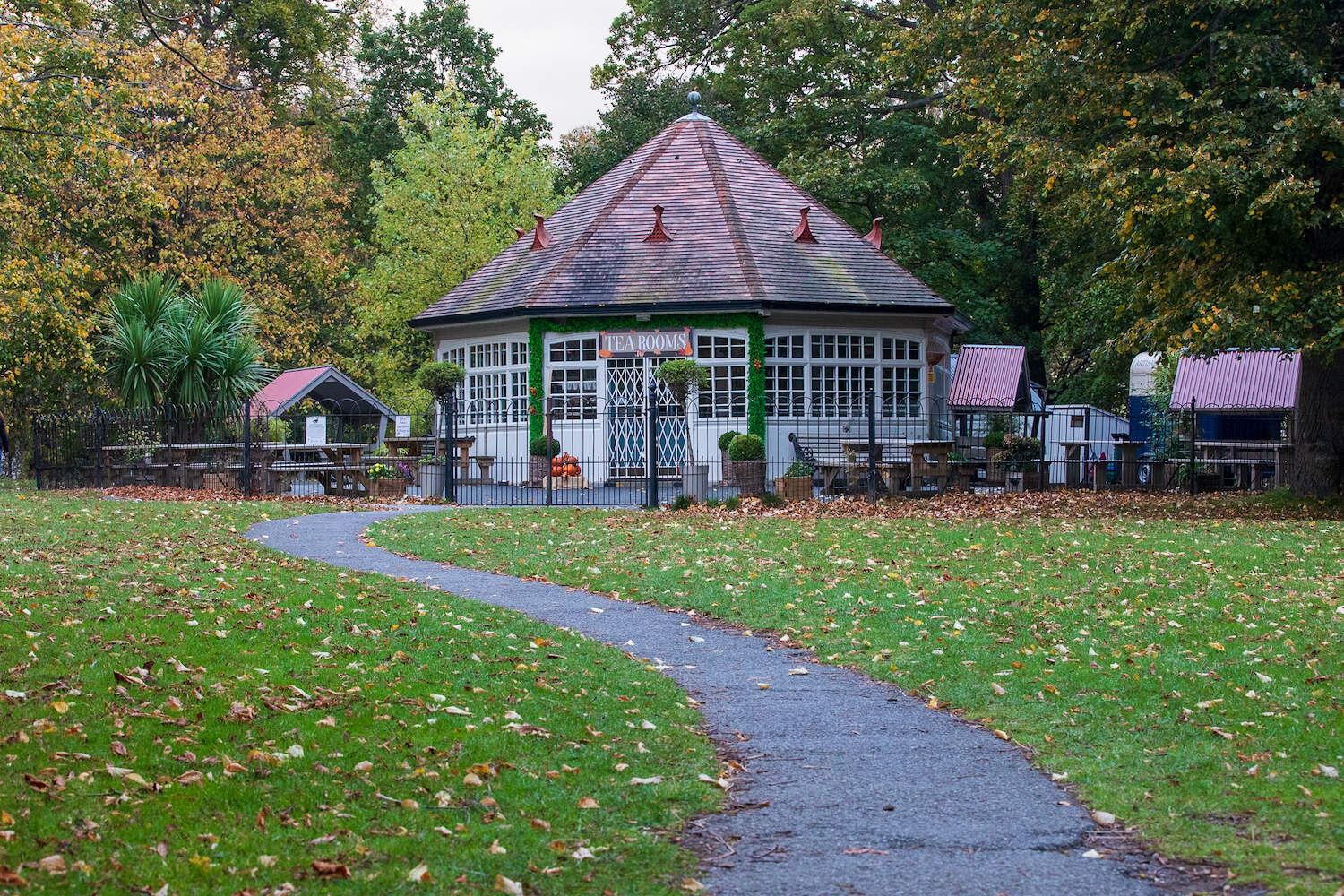
Ormond Quay Lower is a culinary hotspot. Highlights include:
| Venue | Cuisine | Notable Feature |
|---|---|---|
| The Winding Stair | Modern Irish with a classic twist | Michelin Bib Gourmand (2008) |
| Mermaid Café | Light bites & coffee | River‑front terrace |
| Café Bang | Contemporary café fare | Trendy interior |
The Winding Stair, tucked away in a historic building, serves refined Irish dishes with a modern sensibility and has earned a coveted Bib Gourmand award. Mermaid Café and Café Bang provide relaxed settings for breakfast, brunch or an afternoon coffee, each with large windows that frame the Liffey’s flow.
Photo Opportunities
- River Views – From the quay’s boardwalk you can capture the Liffey’s traffic, the illuminated Millennium Bridge at night, and the distant Dublin skyline.
- Historic Facades – The granite arches and the layered brickwork of Number 18 make compelling subjects for architectural photography.
Walking & Cycling Routes
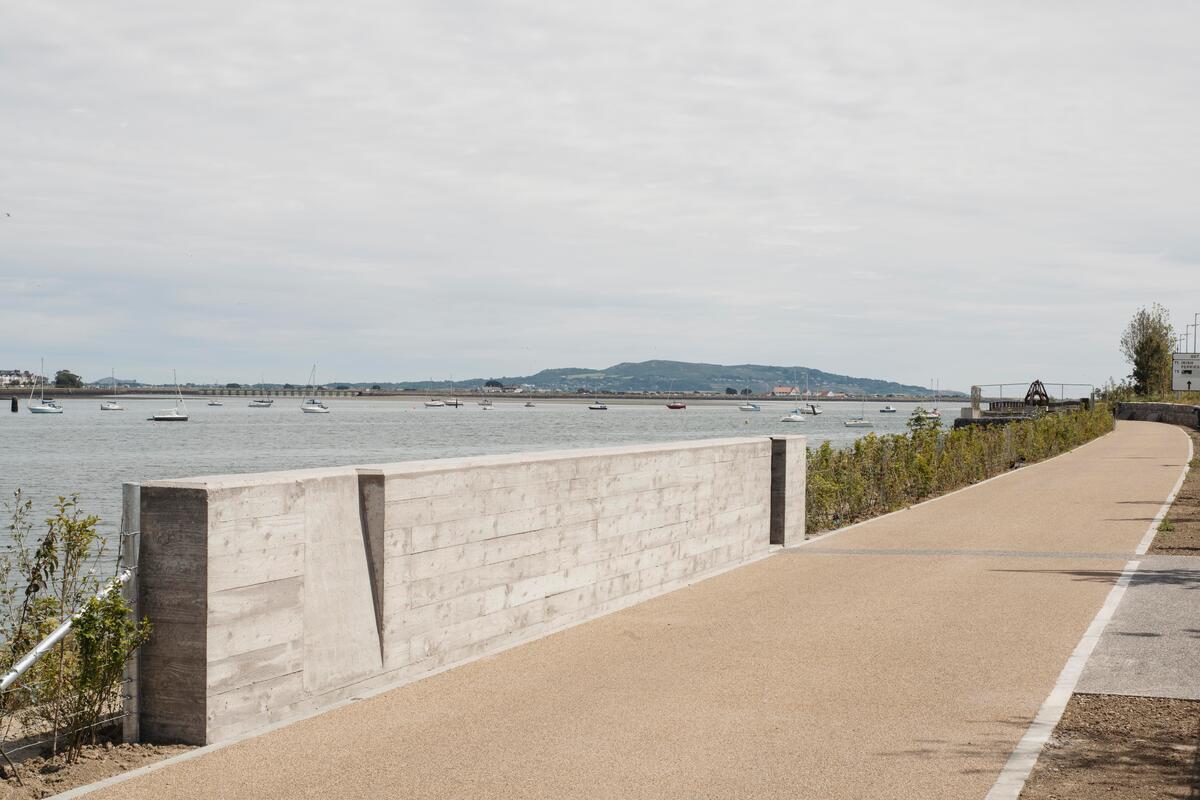
Ormond Quay Lower forms a key segment of the Dublin Port Greenway, a 7 km off‑road route that links the city centre to the Dublin Port area and the coastal suburbs. Cyclists and walkers can enjoy traffic‑free pavement along the quay, with easy connections to the Liffey Walk – a riverside trail that stretches from the Dublin Mountains to the sea.
The Greenway is well sign‑posted and provides benches, bike racks and occasional interpretive panels about the quay’s history. It is a popular route for commuters, joggers and families looking for a scenic stroll along the river.
Getting There & Practical Tips
- Public transport – The nearest Luas Red Line stop is Abbey Street (about a 2‑minute walk). Several Dublin Bus routes serve O’Connell Street and nearby stops, including the 46A, 123 and 151.
- Parking – No on‑street parking is available on the quay itself. The closest public car parks are the Jervis Street Car Park (accessible via Jervis Street, a short walk north) and the Westmoreland Street Car Park (linked in the original article). Both accept short‑stay rates and are within a 5‑minute walk.
- Accessibility – The promenade is level, but historic cobbled sections around some shopfronts can be uneven. Wheelchair users should allow extra time for these spots.
- Opening hours – The quay is open 24 hours year‑round; individual cafés and restaurants keep their own opening times (see the table above).
- Facilities – Public toilets are available at the nearby Morrison Hotel on Lower Ormond Quay (open to the public during daytime) and at the Dublin City Council facilities on Westmoreland Street.
Nearby Attractions
Ormond Quay Lower sits within walking distance of several of Dublin’s key sights:
- Arran Quay – another historic riverside street with Georgian warehouses and the Arthur Guinness Heritage Bar (Arthur Guinness Heritage Bar).
- Central Bank Visitor Centre – offers insight into Ireland’s financial history (Central Bank Visitor Centre).
- Temple Bar district – vibrant nightlife and cultural venues, just 300 m east.
- Trinity College and the Book of Kells exhibition, about 700 m north‑west.
These sites can be combined into a leisurely riverside day‑trip, ending with a meal on Ormond Quay Lower.
Further Reading
For a detailed architectural survey, consult the Buildings of Ireland entry (reference 50060549). The Heritage Data ArcGIS portal provides a map of the quay’s exact coordinates (53.346242, ‑6.265542).