
Overview
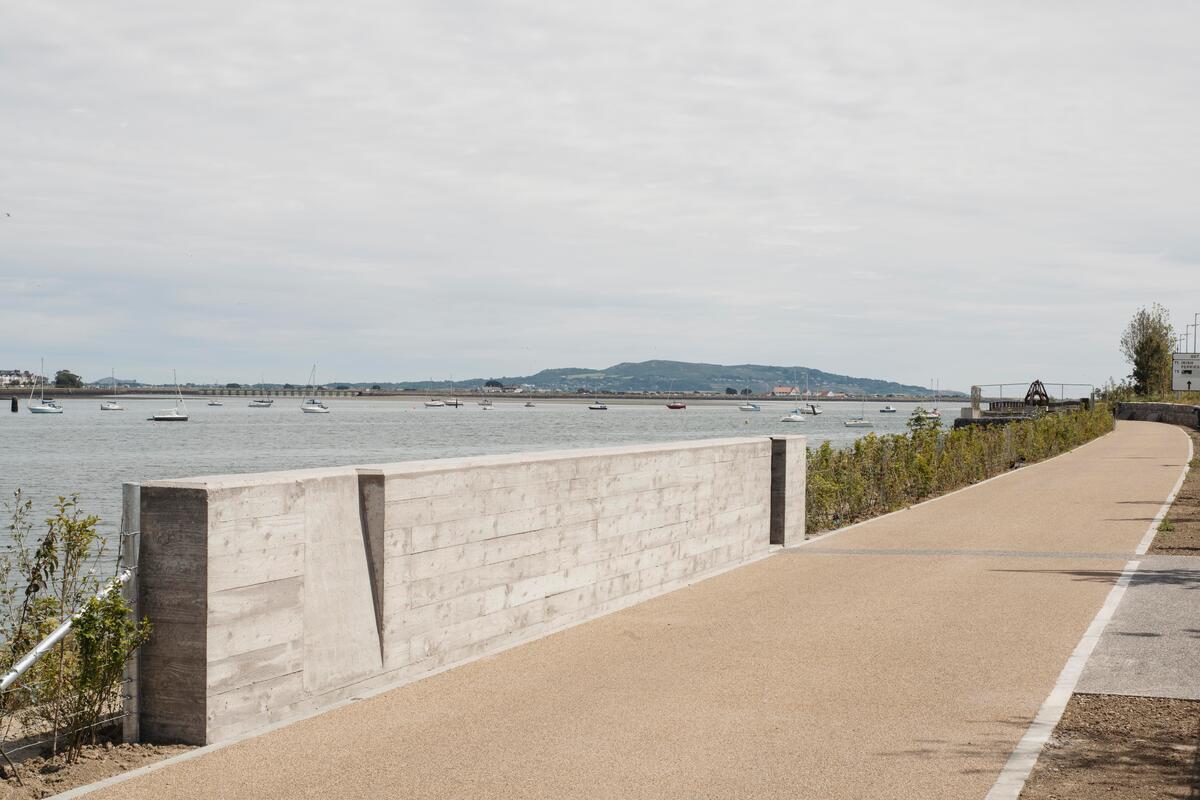
The Pembroke Estate once covered a swathe of south‑eastern Dublin that today includes some of the city’s most coveted neighbourhoods – Ballsbridge, Donnybrook, Sandymount, Irishtown and Ringsend. Originating from the Fitzwilliam lands inherited by the 11th Earl of Pembroke in 1816, the estate grew to become the largest family‑owned parcel of land in County Dublin. While the estate has been fragmented by modern development, its imprint is still evident in the grand Georgian squares, the layout of streets, and the historic buildings that pepper the area.
History
Early origins
The land that would become the Pembroke Estate began as part of the Fitzwilliam estate, accumulated from the mid‑1300s onward. In the 1750s the 6th Viscount Fitzwilliam initiated large‑scale development around the Grand Canal, laying the groundwork for what would later become Dublin’s “Georgian Mile”.
Transfer to the Pembrokes
When the 7th Viscount Fitzwilliam died in 1816, the estate passed to his relative, the 11th Earl of Pembroke. The new owner continued the ambitious suburbanisation that had begun in the 18th century, extending development beyond the Grand Canal’s confines. By the late 19th century, seven‑ninths of the township of Pembroke was owned directly by Lord Pembroke, with the remaining 14 % elected by property owners.
The township era (1863‑1930)
In 1863 a private Act of Parliament created the Pembroke township, giving the area its own local government. The township’s responsibilities included paving, sewage, water supply and the construction of municipal housing. From the 1880s onward the Pembroke Estate built numerous housing projects on streets such as Shelbourne Road and in Ringsend, intended for estate employees, artisans and other workers.
Pembroke Town Hall, designed by Edward Henry Carson and opened in 1880 on Merrion Road, became the administrative heart of the township. During the 1916 Easter Rising the building was requisitioned by the British army as a holding centre for prisoners, including Commandant Éamon de Valera.
The township persisted until the Local Government (Dublin) Act 1930 dissolved it, merging the area into Dublin City Council. Records of the former township are now housed in the Pearse Street Library.
Modern legacy
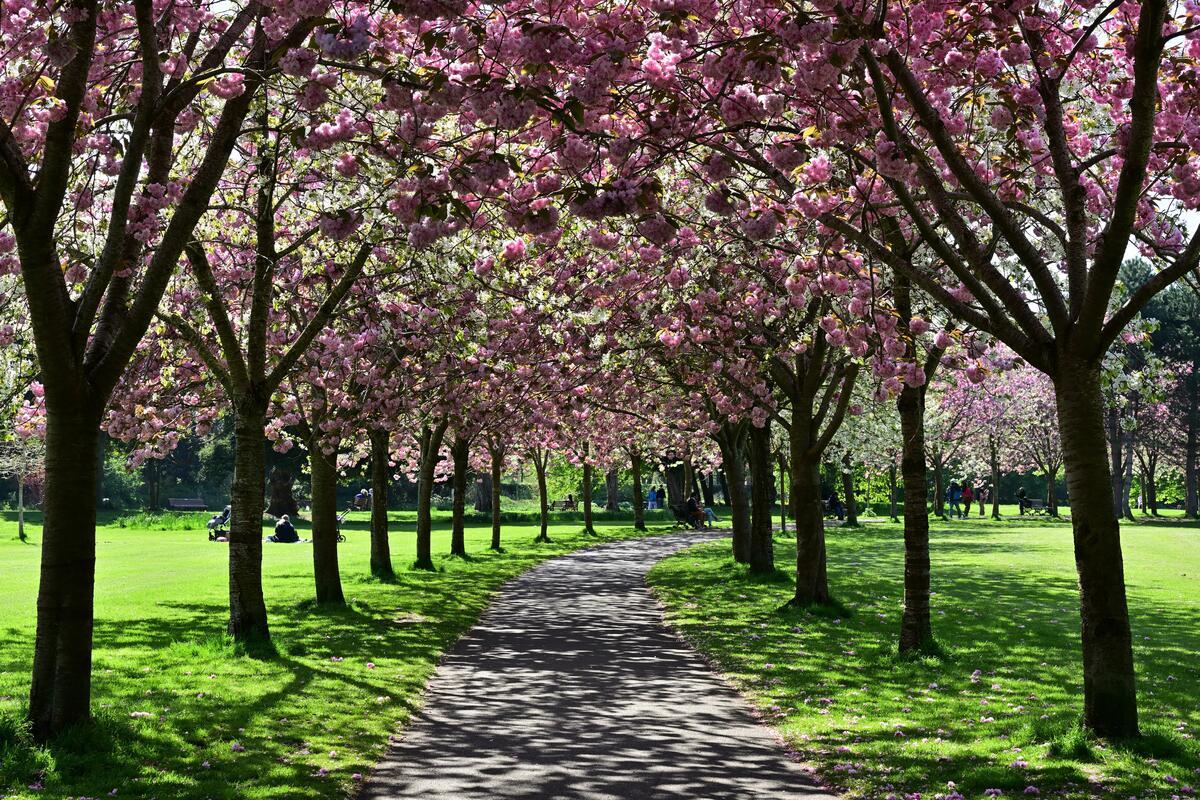
Although the estate has been subdivided, its historic footprint still defines the character of the area. The grand squares – Merrion, Fitzwilliam and St. Stephen’s Green – remain architectural highlights, while Herbert Park offers a green oasis that once formed part of the estate’s lands. The estate’s value today would be measured in billions of euros, reflecting its continued desirability.
What to See & Do
| Site | Description | Location |
|---|---|---|
| Pembroke Town Hall | 1880 Edward‑Carson building, former municipal headquarters and later a vocational education centre. | Merrion Road, Ballsbridge |
| Merrion Square | Georgian garden square surrounded by historic townhouses, originally laid out on estate land. | Merrion Square East |
| Fitzwilliam Square | Another Georgian square, showcasing the classic Dublin layout of uniform façades. | Fitzwilliam Square North |
| Herbert Park | Public park with ornamental lakes, originally part of the estate’s landscaped grounds. | Herbert Park, Ballsbridge |
| Historic Walking Route | Follow the former estate’s boundaries via Baggot Street, Pembroke Road and the Grand Canal to visualise the original 1,592‑acre shape. | Throughout the former estate |
Visitors can wander the tree‑lined avenues, admire the uniform Georgian façades, and pause at the historic plaques that mark former estate boundaries.
Events & Activities
The Pembroke Estate is a living open‑air museum, and several organisations run regular programmes:
- Heritage walks – The Ballsbridge, Donnybrook and Sandymount Historical Society organises guided tours most weekends from April to October. Check their website for the latest schedule.
- Talks and lectures – In August 2020 the Irish Georgian Society and Dublin City Council presented a talk titled “Establishing a Suburb: Early building development in the Pembroke Estate outside the Grand Canal”. Recordings are available online via the Irish Georgian Society’s Zoom archive.
- Community events – Herbert Park hosts seasonal festivals, outdoor concerts and family‑friendly activities that often reference the estate’s history.
Getting There
Pembroke Estate is fully integrated into Dublin’s public‑transport network:
- Luas Red Line – Ballsbridge stop (closest to Merrion Square and Pembroke Town Hall).
- DART – Sandymount and Dalkey stations serve the southern fringe of the former estate, providing easy access to the coastal stretch of Sandymount.
- Bus routes – 4, 7, 46A and 145 run along Merrion Road and Baggot Street, stopping within walking distance of most sites.
- Parking – Limited on‑street parking is available; for longer stays use the paid car parks on Pembroke Road or the multi‑storey facility at the National Sports Campus.
Nearby Attractions
While exploring the estate, consider a short walk or tram ride to these popular sites:
- Aviva Stadium – Modern sporting venue on the banks of the River Liffey, a 15‑minute walk from Merrion Square.
- St. Stephen’s Green – Large Victorian park bordering the southern edge of the historic estate.
- National Museum of Ireland – Decorative Arts & History – Located on Kildare Street, a brief Luas ride away.
Practical Information
The Pembroke Estate is not a single attraction with opening hours or an admission fee; it is a living urban landscape. Most of the sites listed above are publicly accessible at any time. For those interested in deeper research, the Dublin City Council archives hold the original Pembroke township records, and the Pembroke Library (located on Ballsbridge) maintains a local history file.
Heritage talk recording: View Lecture Online Here (available during National Heritage Week, 15‑23 August 2020).
Explore the Pembroke Estate on foot, and let the layers of history beneath Dublin’s polished streets tell their story.