
Overview
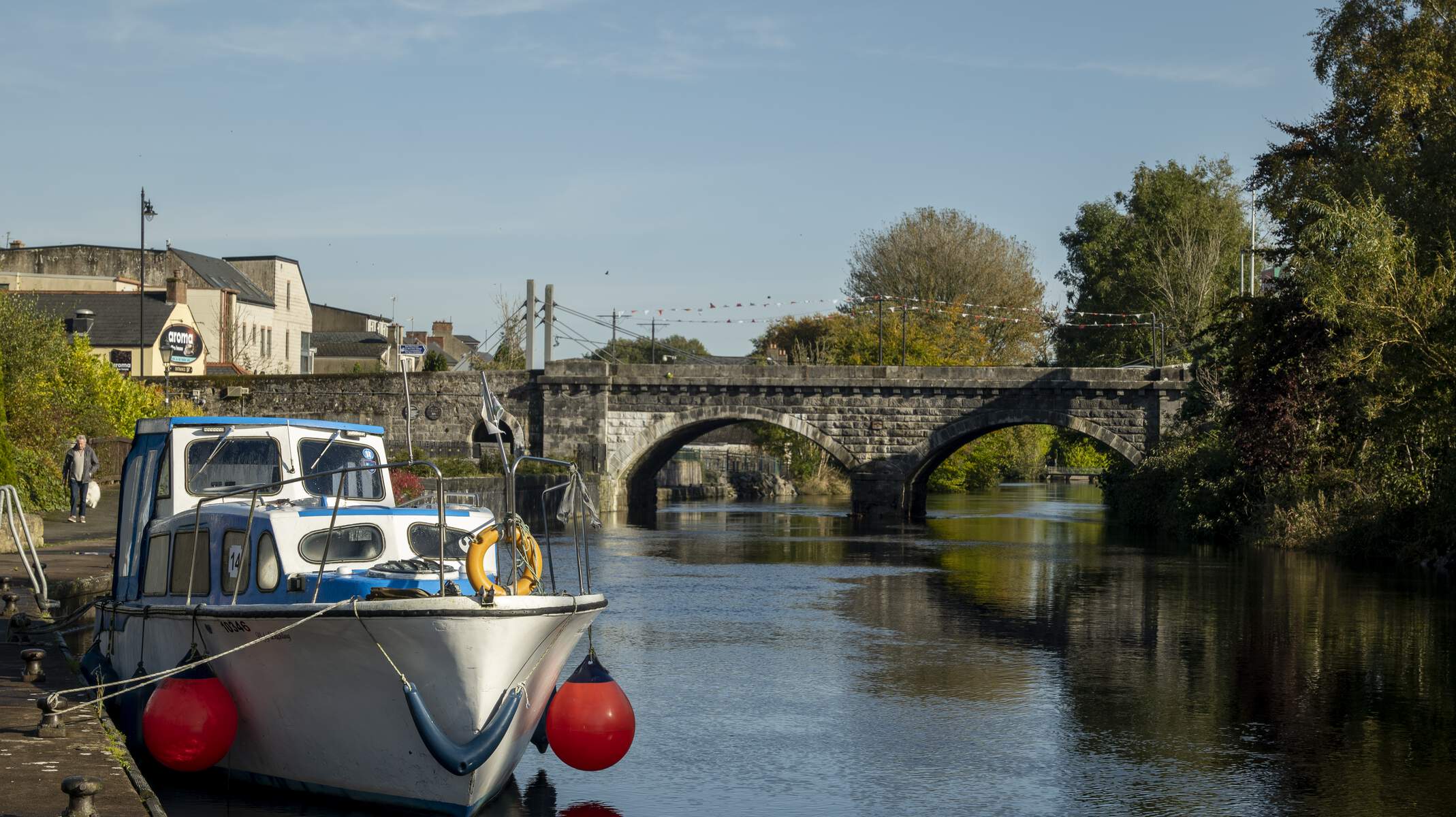
Portumna Swing Bridge spans the River Shannon at the historic crossing point between County Galway and County Tipperary. The five‑span road bridge carries the N65, linking the market town of Portumna with the village of Lehinch on the opposite bank. Its most distinctive feature is the central pivoting swing span, which rotates on Hayes’s Island to open a navigation channel for pleasure craft, commercial barges and historic steamers. Visible from both banks, the steel girders, concrete‑filled cast‑iron cylinders and the small 1845 toll‑house on the island make the bridge a favourite photographic subject for visitors exploring the Shannon’s heartland.
History / Background
The present structure was designed by London engineer C. E. Stanier to the specifications of Tipperary North Riding County Surveyor J. O. Moynan and was completed in 1911, replacing an earlier 19th‑century crossing. At the time of its construction it was the largest early‑twentieth‑century swing bridge in Europe. Technical highlights include:
- Three pairs of mild‑steel plate girders, each 24 m (80 ft) or 27 m (90 ft) long, resting on 3 m (9 ft) diameter concrete‑filled cast‑iron cylinders.
- Domed caps with finials atop the cast‑iron piers on Hayes’s Island, providing a striking visual contrast.
- Limestone piers dating from the 1834 bridge, still visible on the Tipperary side and capped with cut‑stone parapets.
- A detached three‑bay toll‑house (c. 1845) that survives on Hayes’s Island, offering a tangible link to the bridge’s early days. In October 2008 the swing mechanism was modernised, replacing the original opening section with a more reliable pivoting unit while retaining the bridge’s historic fabric.
What to See & Do
Engineering Walk‑about
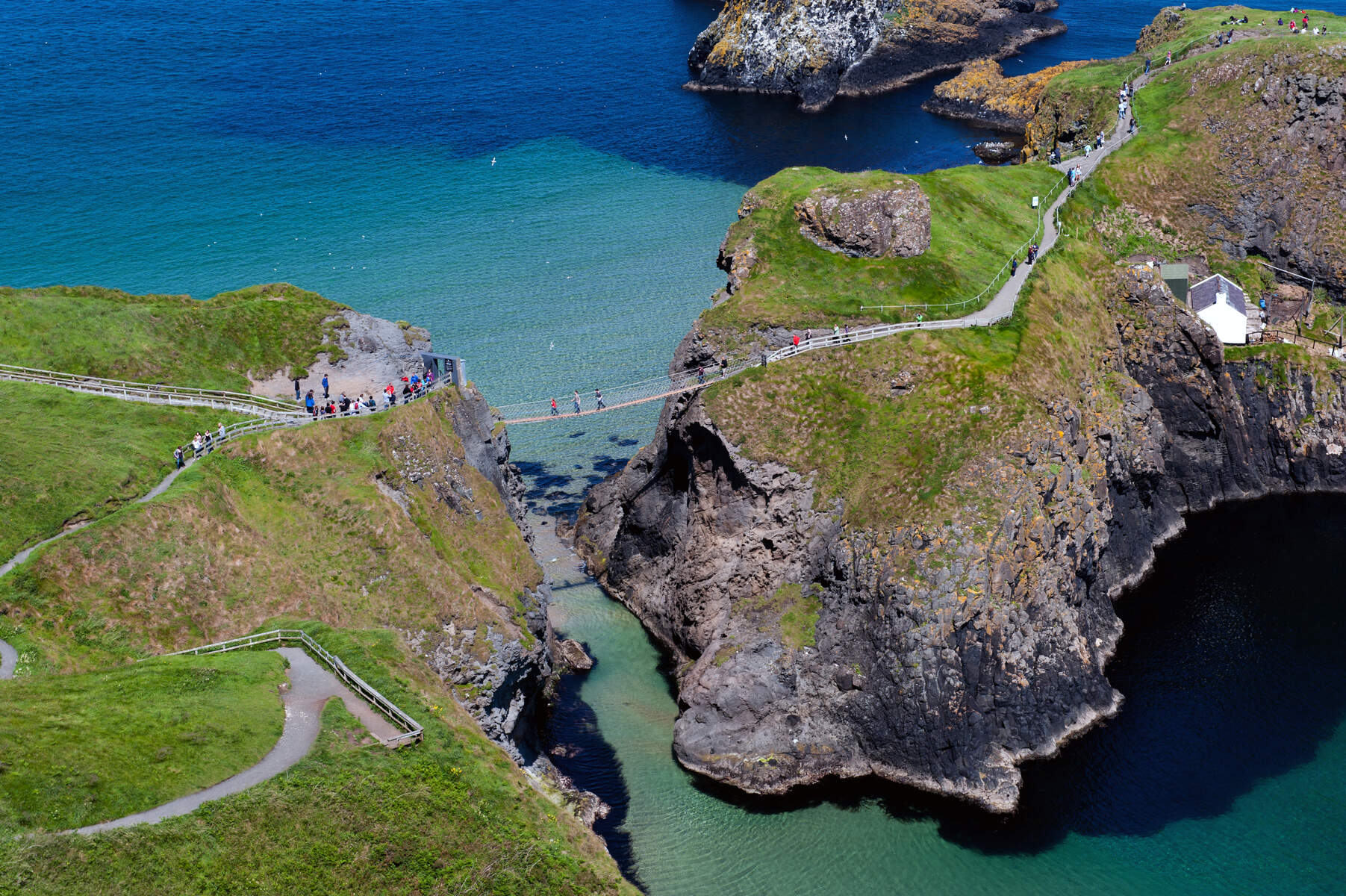
Park on the roadside or use the footpath where it exists to examine riveted steel plates, massive cast‑iron cylinders and the elegant domed pier caps. The juxtaposition of 19th‑century stonework with early‑20th‑century steel tells the story of evolving bridge technology.
Watch the Swing in Action
During the summer months the swing span opens several times a day for river traffic. The slow, deliberate rotation offers a rare chance to witness a working swing bridge – a spectacle that delights families, photographers and engineering enthusiasts alike.
Scenic Views & Outdoor Activities
- River vistas – From the bridge you can gaze downstream to the expansive Lough Derg and upstream to the rolling Shannon Callows.
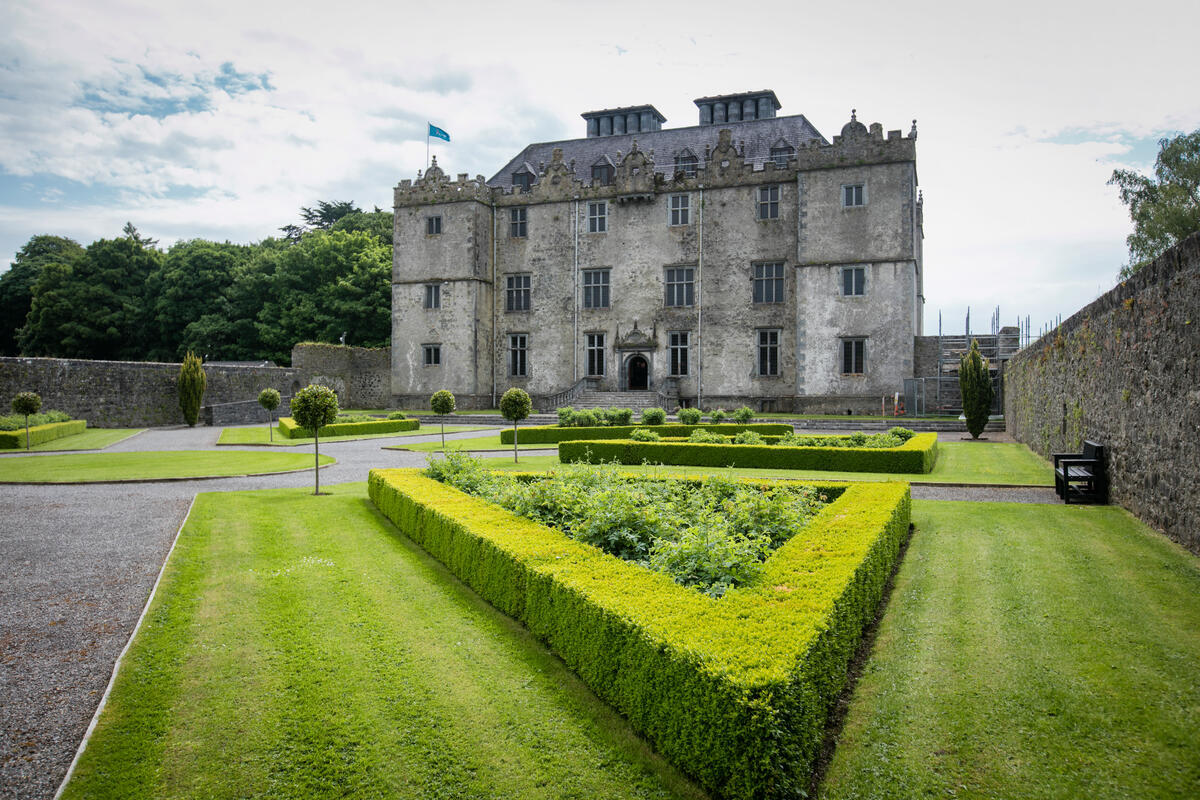
- Nearby attractions – Portumna Castle, Portumna Forest Park and the Lough Derg Blueway lie a short walk away on the Galway side.
- Trail connections – The bridge forms a natural waypoint on the Hymany Way, the Beara‑Breifne long‑distance trail and the Lough Derg Blueway, making it ideal for cyclists and walkers.
- Photography – Sunrise and sunset cast dramatic light on the steel swing span and the stone toll‑house, creating compelling compositions.
Seasonal Highlights
- Swing operation – The bridge typically opens on the hour between 10 am and 4 pm from late May to early September. Check the on‑site notice board for any variations due to river traffic or maintenance.
- Photography tips – Early morning provides softer light on the western façade, while the golden hour after 6 pm highlights the domed pier caps. Autumn colours along the Shannon banks add extra contrast.
- Events – The bridge is occasionally featured in local heritage walks organised by the Portumna Heritage Group during the summer festival season. Details are posted on the Portumna community notice board.
Visitor Information
- Access: The bridge is free to cross via the N65. It is reachable from Portumna town centre (approximately 2 km north) and from Lehinch on the Tipperary side.
- Parking: Limited on‑street parking is available at the Portumna Visitor Centre (near the museum) and at a designated lay‑by on the Lehinch side. Both sites are free but can fill quickly in peak season.
- Footpaths: A paved pedestrian footpath runs alongside the road on the Galway side; the Tipperary side offers a narrower, gravel‑surfaced walkway.
- Facilities: Restrooms and a café are located in Portumna town centre, a short walk from the bridge. No on‑site facilities are provided on the bridge itself.
- Safety: Keep a safe distance from the moving swing span and obey any on‑site signage. The bridge is not wheelchair‑accessible due to the narrow walkway on the Tipperary side.
- Best time to visit: Late morning to early afternoon in summer for swing operation; early evening for sunset photography.
Portumna Swing Bridge is more than a crossing – it is a living piece of engineering heritage set against some of Ireland’s most beautiful river scenery. Whether you are a history buff, a photographer, or simply travelling through the midlands, the bridge offers a memorable stop on any Irish itinerary.