
Overview
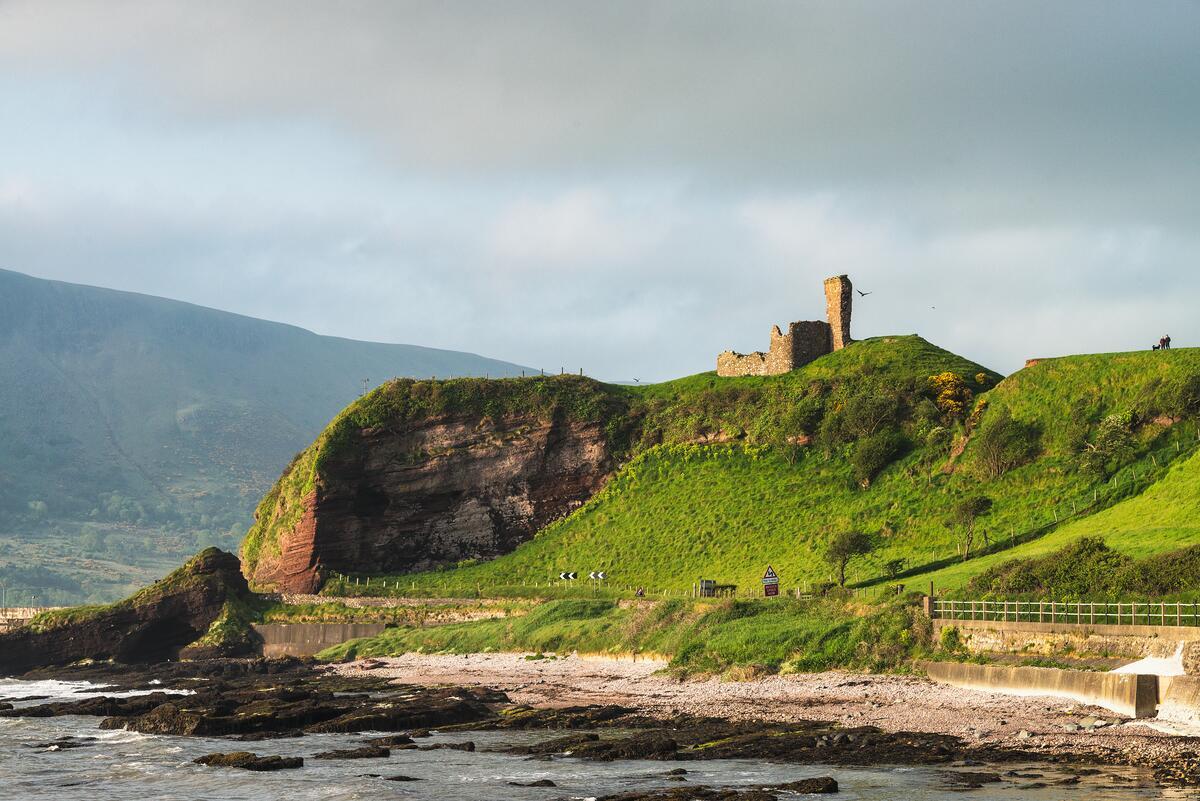
Red Bay lies on the north‑eastern edge of County Antrim, where the dramatic Antrim coastline meets the Irish Sea. The most iconic feature is Red Bay Castle – a 13th‑century ruin perched on a headland that commands sweeping views of the bay, the village of Cushendall and the distant Scottish hills. The surrounding landscape is a playground of sandy beaches, red‑sand cliffs, waterfalls in Glenariff Forest and the towering limestone peak of Lurigethan. All of this can be enjoyed without paying an entry fee, making Red Bay a must‑see stop on the Causeway Coastal Route.
History
Red Bay Castle, locally known as McQuillan’s Fort, was originally built by the Scoto‑Norman Bisset family in the early 1200s. The Bissetts fled Scotland after a banishment and established a motte‑and‑bailey fort on the headland. In the 16th century the MacDonnells of Antrim expanded the site into a two‑storey tower house, using locally quarried sandstone. The castle’s strategic position made it a target: it was burned by Shane O’Neill in 1565, rebuilt by Sorley Boy MacDonnell, and finally reduced to ruins during Oliver Cromwell’s 1652 campaign. Today only a single wall of the tower house remains, but the stone‑work still shows the intricate carvings and floor‑board fixing holes that hint at its former grandeur.
What to See & Do
| Attraction | Distance from Castle | Highlights |
|---|---|---|
| Red Bay Castle Ruins | On‑site | Panoramic sea views, historic wall fragments, red‑sand cliffs |
| Cushendall Beach | 0.8 mi | Golden sand, family‑friendly promenade, nearby cafés |
| Waterfoot Beach | 0.5 mi | Wide, shallow bay ideal for picnics and tide‑pooling |
| Glenariff Forest Park | 4 km | ‘Queen of the Glens’, waterfall walks (Inver River, Ess‑na‑Láragh) |
| Lurganethan Promontory Fort | 1 km (hike) | Iron‑Age earthworks with sweeping coastal vistas |
| Red Arch & White Arch | 0.6 km | Remnants of a 19th‑century railway bridge, great photo spot |
Castle Ruins
The remaining wall rises about six metres and still displays the original sandstone coursing. Look up to see the original arrow‑slits and the small holes that once held floorboards. From the edge of the ruin you can see the red‑coloured cliffs that gave the bay its name – the sandstone erodes into a distinctive reddish sand that lines the shoreline.
Coastal Walks
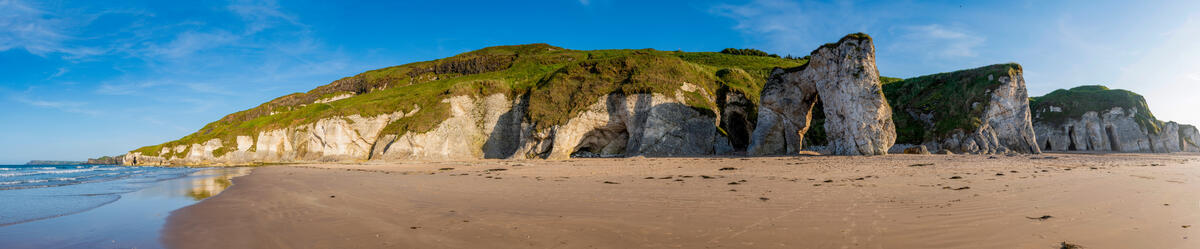
A short, steep walk from the road leads through a farmer’s gate and across a field to the castle’s viewpoint. The path is uneven but manageable for most walkers. Continue north along the A2 coastal road to the White Arch, a former railway bridge that frames the sea and provides a classic postcard backdrop. Heading south, the Red Arch offers a similar perspective and marks the entrance to the historic pier.
Glenariff Waterfalls
Just a few kilometres inland, Glenariff Forest Park offers a network of well‑maintained trails. The Inver River Waterfall drops into a deep pool, while Ess‑na‑Láragh is accessed via an elevated boardwalk that brings you close to the tumbling water. Both sites are wheelchair‑accessible via the visitor centre parking (a £5 charge for the car park, free for pedestrians).
Boating & Pier
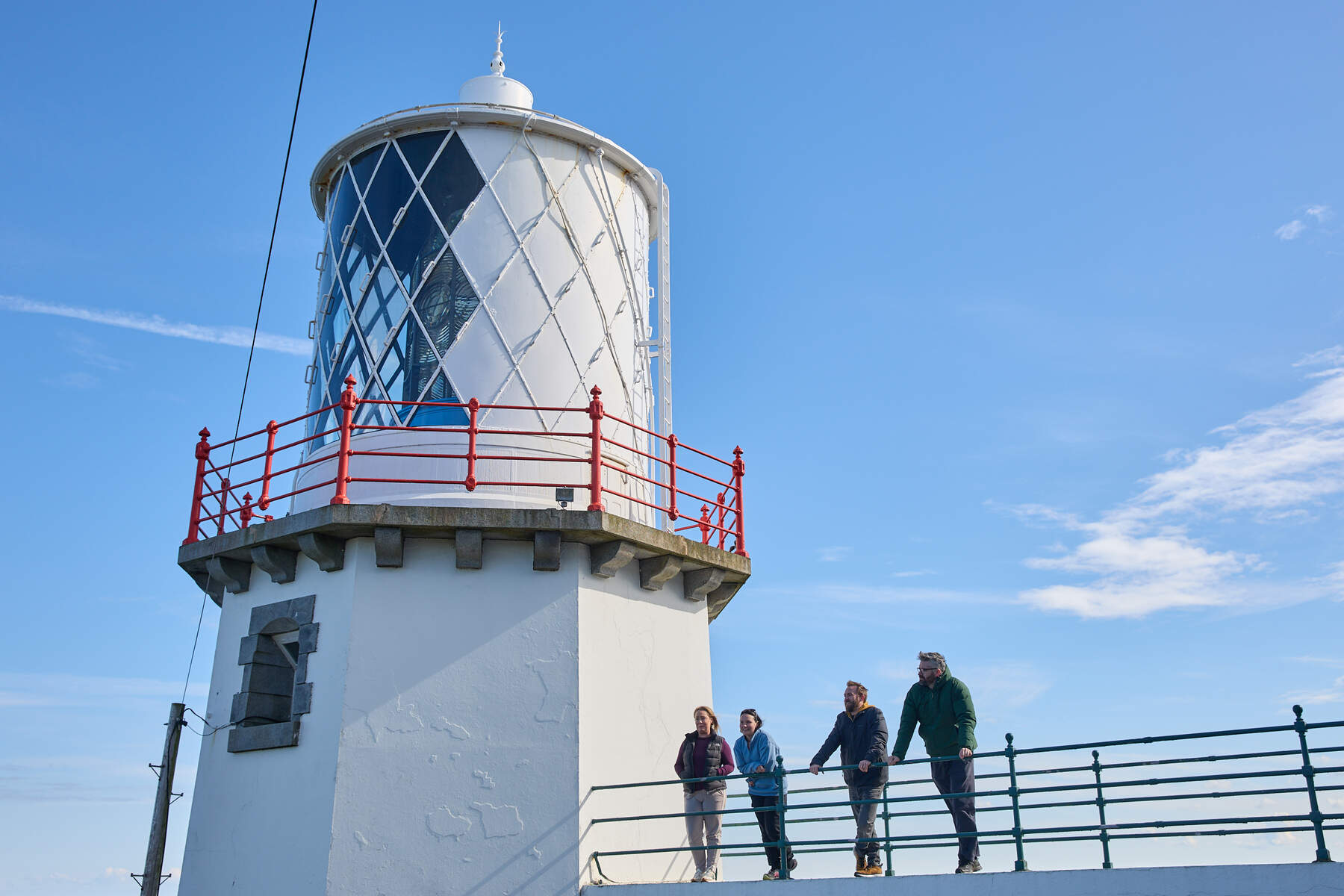
Red Bay Pier (also called Glenariff Pier) provides a sheltered anchorage for small vessels. The pierhead light flashes 3 seconds every 10 seconds (Fl 3s 10m 5M). The bay offers protection from southeast to northwest winds, though it is open to the north and east. Basic facilities include a small shop, hot‑food outlet and a nearby public house in Waterfoot.
Practical Information
Getting there – By car, follow the A2 north from Ballymena. The castle is visible from the road; a short pull‑out parking area exists near the Red Arch, but spaces are limited and there is no formal car park. The nearest larger car park is in Cushendall (approximately 0.8 mi north), where you can also find public toilets and a café.
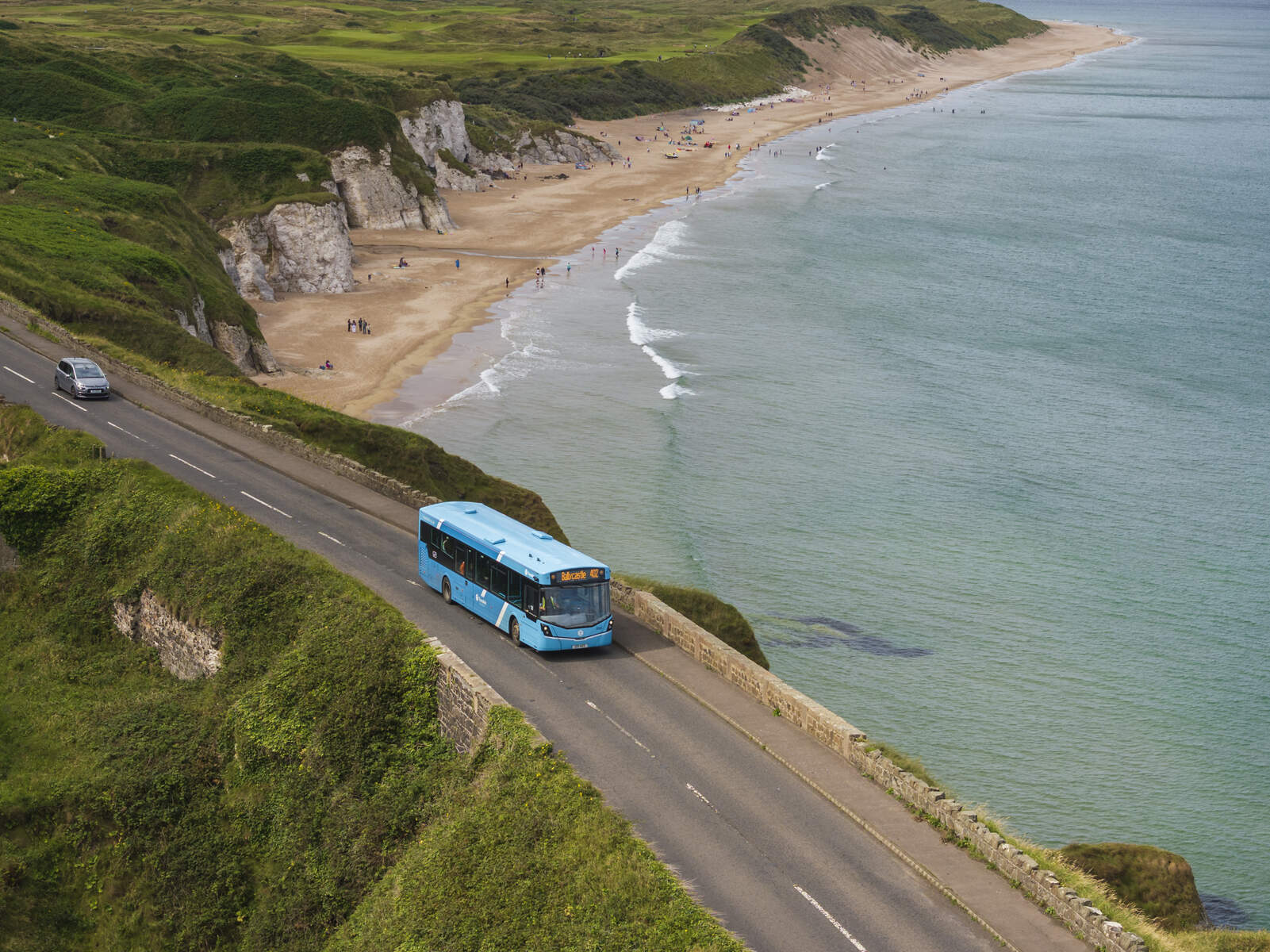
Public transport – Trains from Belfast to Ballymena connect with Translink bus services to Cushendall. From the bus stop in Cushendall, a 30‑minute walk along the A2 brings you to the castle viewpoint. Taxis from Ballymena cost roughly £10‑£15.
Opening hours – The site is open year‑round with no gate or ticket office. Visitors may explore the ruins at any time, though daylight hours are recommended for safety.
Admission – Free. No tickets or guided tours are currently offered.
Facilities – Nearby Waterfoot offers a small shop, a public house, and a café. Restrooms are available in Cushendall. The pier provides basic mooring facilities for sailors; there are no berthing fees.
Accessibility – The immediate castle area is uneven and accessed via a farm gate, making it unsuitable for wheelchair users. However, the Glenariff Forest Park visitor centre and several waterfall walks are wheelchair‑friendly.
Safety notes – The coastal road can be busy in summer; exercise caution when stopping near the Red Arch. The pier wall is rough; vessels should use fender‑boards when approaching.
Nearby Attractions
While you’re in the area, consider visiting Cushendall Golf Club, the Giant’s Causeway (34 km north), Dunluce Castle, and the Dark Hedges for a full Antrim experience. The whole stretch forms part of the spectacular Antrim Coast and Glens, a UNESCO‑recognised landscape ideal for scenic drives and coastal walks.
Best time to visit – Sunset casts a golden glow over the ruins and the sea, creating a magical atmosphere. Summer months provide longer daylight for the waterfall walks, while autumn brings vibrant foliage in Glenariff Forest.
Red Bay combines rugged history, spectacular scenery and a range of outdoor activities, all within easy reach of the Causeway Coastal Route. Whether you’re tracing medieval battles, chasing waterfalls, or simply soaking up the sea breeze from a historic perch, Red Bay offers a memorable slice of Northern Ireland’s coastal heritage.