
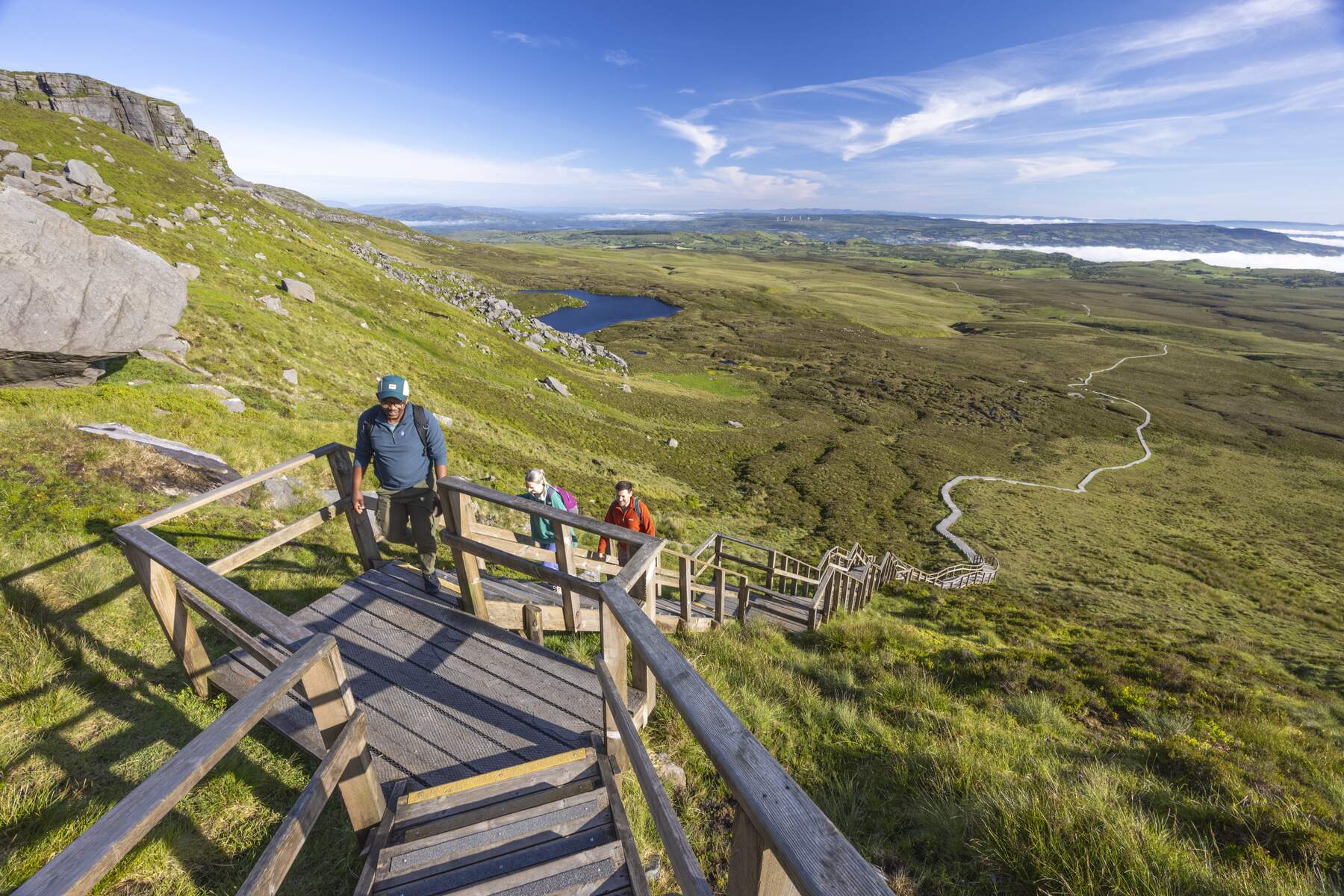
Overview
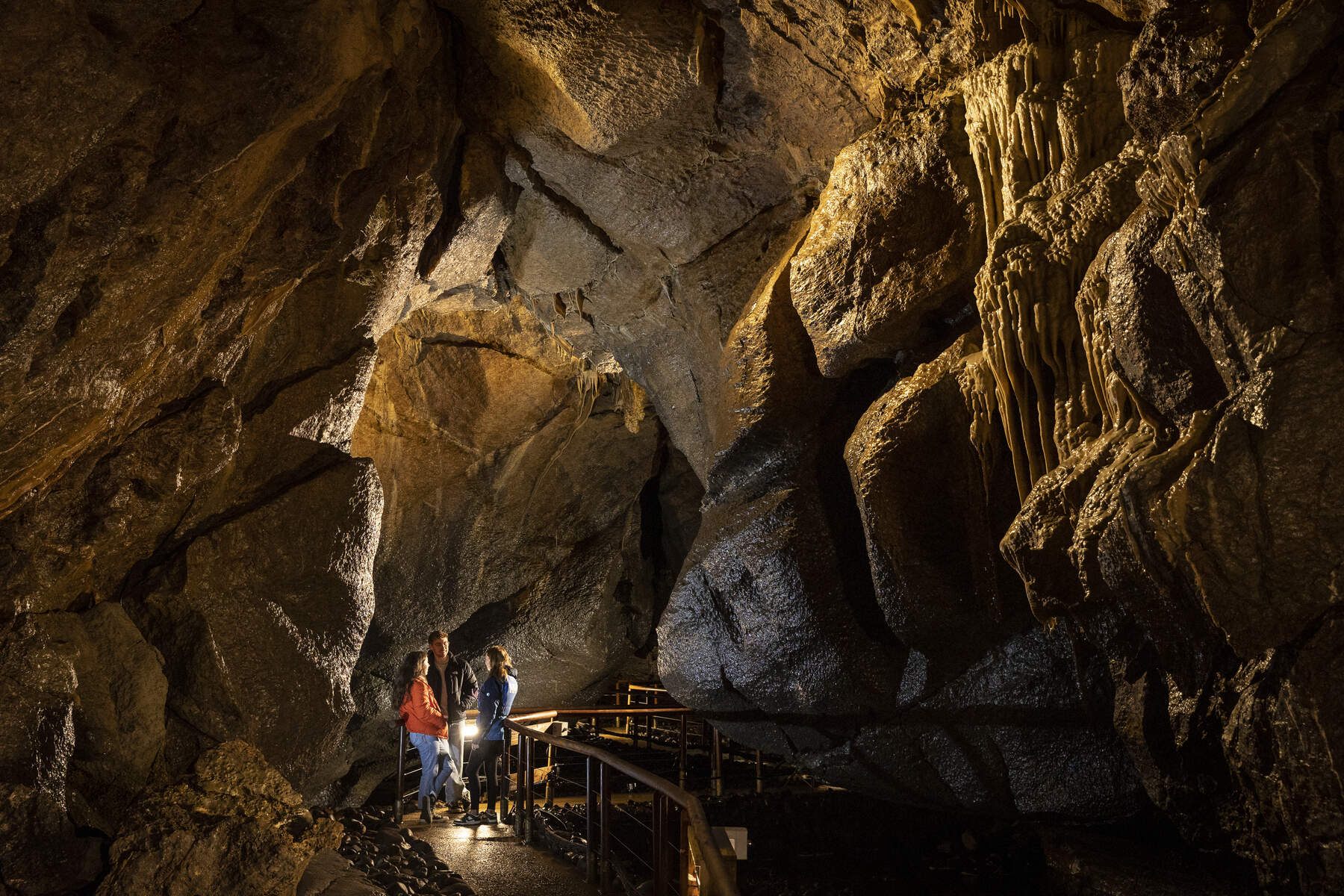
The Claddagh River (Irish: An Chládaigh) is a modest yet spectacular watercourse winding through the heart of County Fermanagh. After disappearing into the limestone plateau of Cuilcagh, it resurfaces at the Marble Arch Rising – one of the United Kingdom’s largest karst resurgences – before plunging into the narrow, steep‑sided gorge of Cladagh Glen, a protected nature reserve within the Marble Arch Caves Global Geopark.
History & Geology
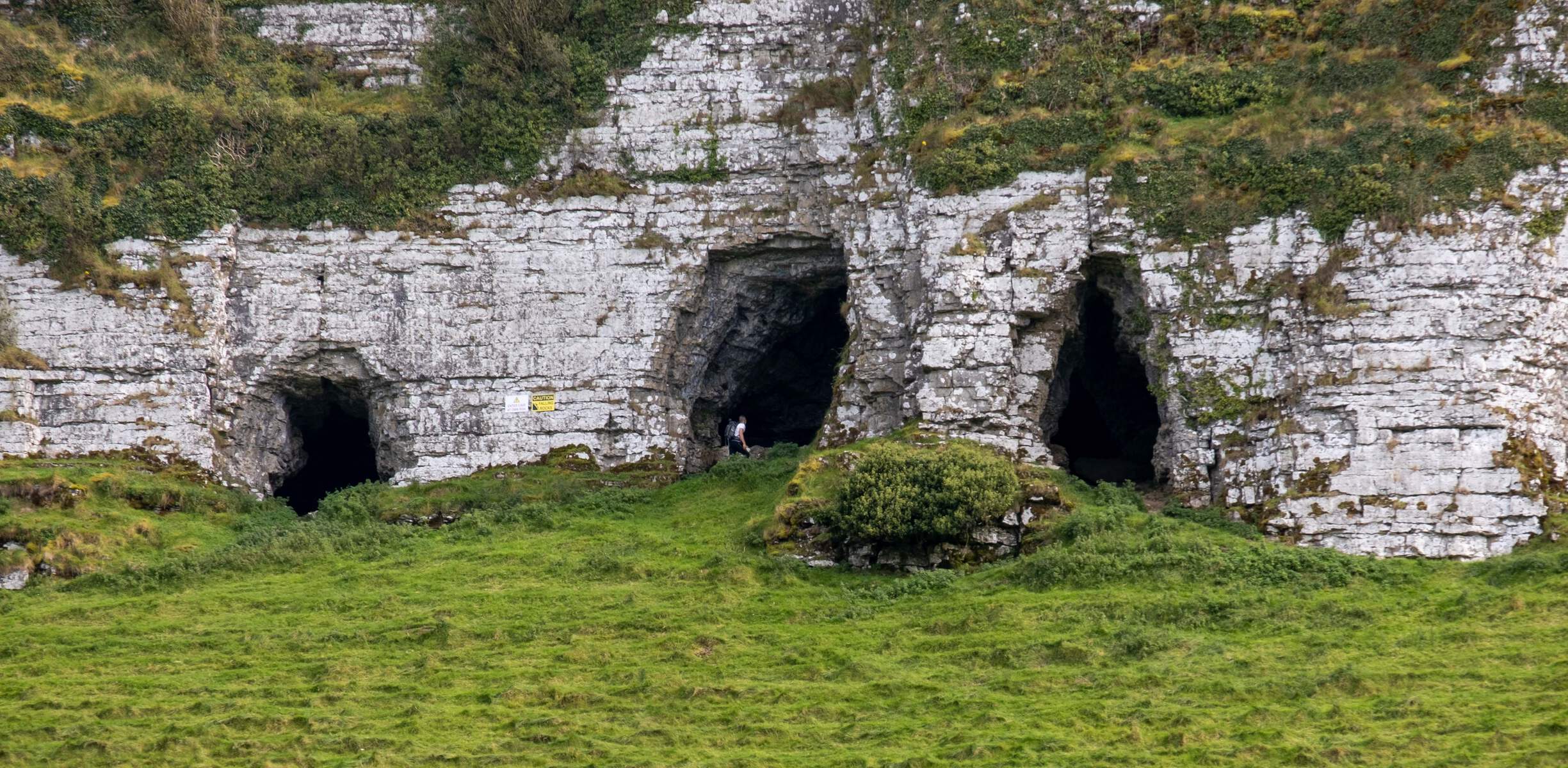
The river’s hidden origins lie on the northern slopes of Cuilcagh Mountain, where three mountain streams – the Sruh Croppa, Aghinrawn and Owenbrean – sink into the porous limestone of the Marlbank plateau. Below ground these tributaries converge within the extensive Marble Arch Cave system, creating a dramatic underground confluence that is highlighted on the guided boat tours.
When the combined flow emerges, it does so beneath a sheer cliff face and immediately drops beneath the natural limestone bridge known as the Marble Arch, giving the gorge its name. A second resurgence, Cascades Rising, appears midway through the glen, adding a striking waterfall fed by distant sinkholes such as Badger Pot and East Cuilcagh.
The surface river then winds through Cladagh Glen, a narrow valley that preserves a rare remnant of ancient ash woodland – living descendants of the once‑vast Irish ash forests. In spring the valley floor carpets itself with bluebells, wood anemones, primroses and celandines, while pine martens, red squirrels and dippers are regular wildlife visitors.
What to See & Do
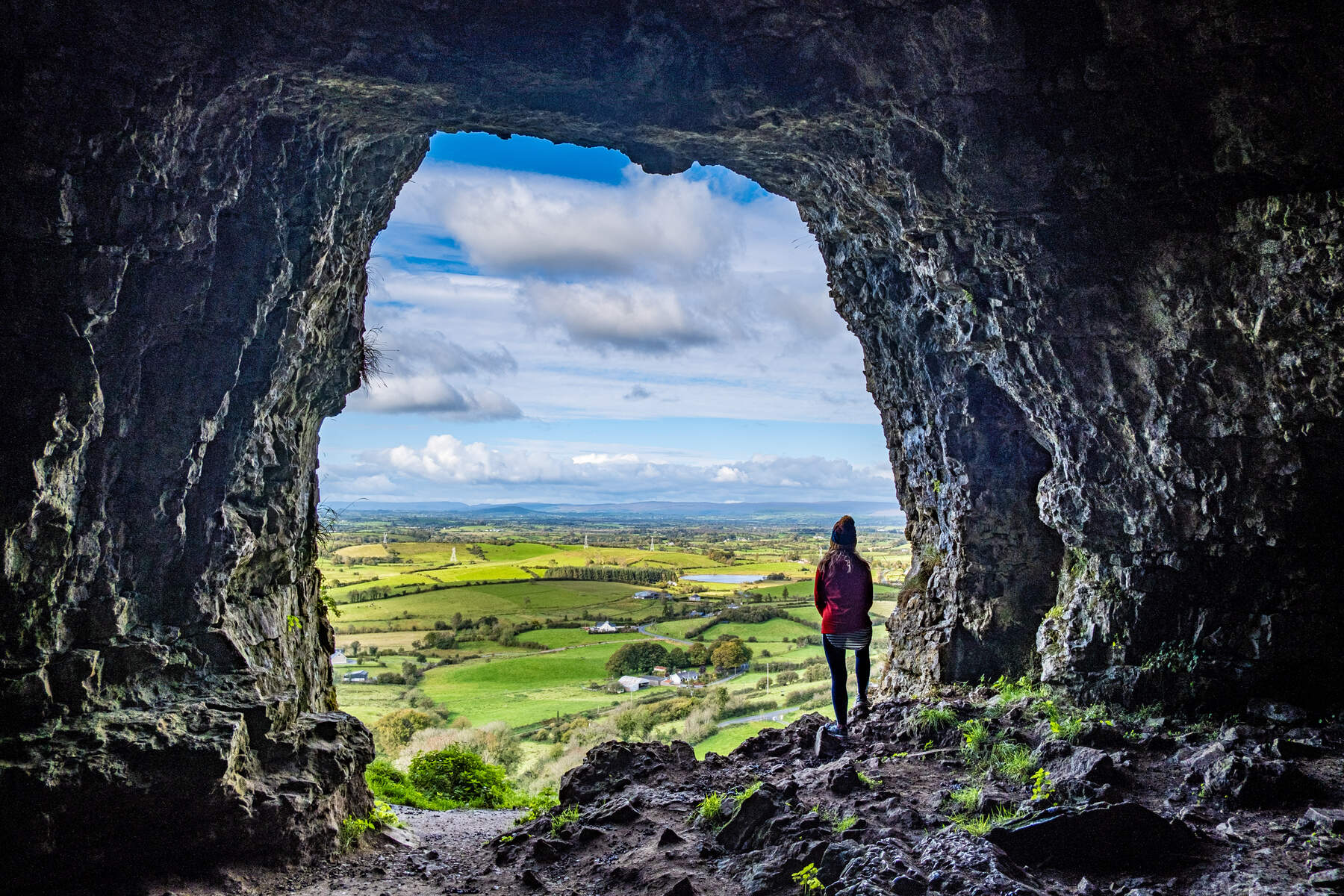
- Marble Arch Caves Boat Tour – Glide through the subterranean channel of the Claddagh River, watching the three tributaries meet in total darkness, illuminated only by the boat’s soft lights.
- Marble Arch – The iconic natural arch spanning the river offers dramatic photo opportunities and a glimpse of the cave network below.
- Cascades Waterfall – A limestone cascade where water rushes down a natural stair‑case after re‑emerging from the Cascades cave system.
- Cladagh Glen Nature Reserve – Follow the 1.5 mi (2.5 km) Cladagh Glen Walk along the riverbank, climbing 121 stone steps to the Marble Arch Caves Visitor Centre. The trail is part of the Ulster Way and passes ancient ash woodland, wildflower carpets, and abundant wildlife.
- Wildlife Spotting – Keep an eye out for red squirrels, pine martens, dippers, kingfishers and grey wagtails, especially in the quieter sections of the glen.
- Geopark Interpretation – Information boards along the route explain the karst landscape, the cave system and the geological history dating back over 340 million years.
Guided Boat Tours
Boat tours operate from the Marble Arch Caves Visitor Centre. They run at regular intervals throughout the day and last about 15 minutes, taking visitors beneath the limestone arches and through the underground river chambers. Check the official website for the latest timetable and the time of the last departure.
Seasonal Highlights
- Spring (April‑June) – Wildflower carpets of bluebells and primroses blanket the glen floor.
- Summer – Longer daylight hours make the walk ideal for families; the boat tours run at their fullest frequency.
- Autumn (September‑October) – The limestone walls glow in the low autumn light, and the river is often at its highest after rain.
- Winter – The gorge takes on a dramatic, mist‑filled atmosphere; however, the boardwalk can be icy, so sturdy footwear is advised.
Getting There & Parking
- Cladagh Glen car park – Free, located at the southern end of the walk (approximately 10 spaces). Open year‑round and the most convenient for families with pushchairs; a 1 m stone stile must be lifted at the trailhead.
- Marble Arch Caves car park – Operates only during the Visitor Centre’s opening hours (typically 9:00 am – 5:00 pm) and is seasonal. It provides direct access to the boat tour launch point and the northern end of the glen.
- Public transport – The nearest bus stop is in Enniskillen; from there, a local taxi can reach the car parks. There is no direct railway service to the site.
- Road access – The glen is reached via the A5090 from Enniskillen, then following signs for Marble Arch Caves.
Practical Information
- Opening hours – Visitor Centre generally open 9:00 am – 5:00 pm (subject to seasonal variation). [Fact‑check required]
- Admission – Free entry to the nature reserve; boat tours have a separate charge.
- Facilities – Café, toilets and a gift shop at the Visitor Centre; picnic tables at the Cladagh Glen car park.
- Accessibility – The walk is not wheelchair accessible. Families with pushchairs can use the path from the Cladagh Glen car park but must lift the pushchair over a 1 m stone stile at the trailhead. The section from the Marble Arch Caves car park includes steep steps and boardwalks unsuitable for pushchairs.
- Dog policy – Dogs are permitted on the trail but must be kept on a lead, especially near wildlife. [Fact‑check required]
Nearby Attractions
While exploring the Claddagh River, consider adding these nearby sites to your itinerary:
- Cladagh Glen – Detailed walk guide and additional information on the nature reserve.
- Aghinrawn River – One of the river’s tributaries, offering its own scenic walks.
- Castle Archdale Country Park – Lakeside park with water sports and historic WWII structures.
- Boa Island – Famous for the Janus stones and early Christian heritage.
- Belcoo – Charming village on the shores of Lough Erne, ideal for a lunch stop.
Enjoy the blend of underground adventure and surface serenity that makes the Claddagh River a unique karst jewel of County Fermanagh.