
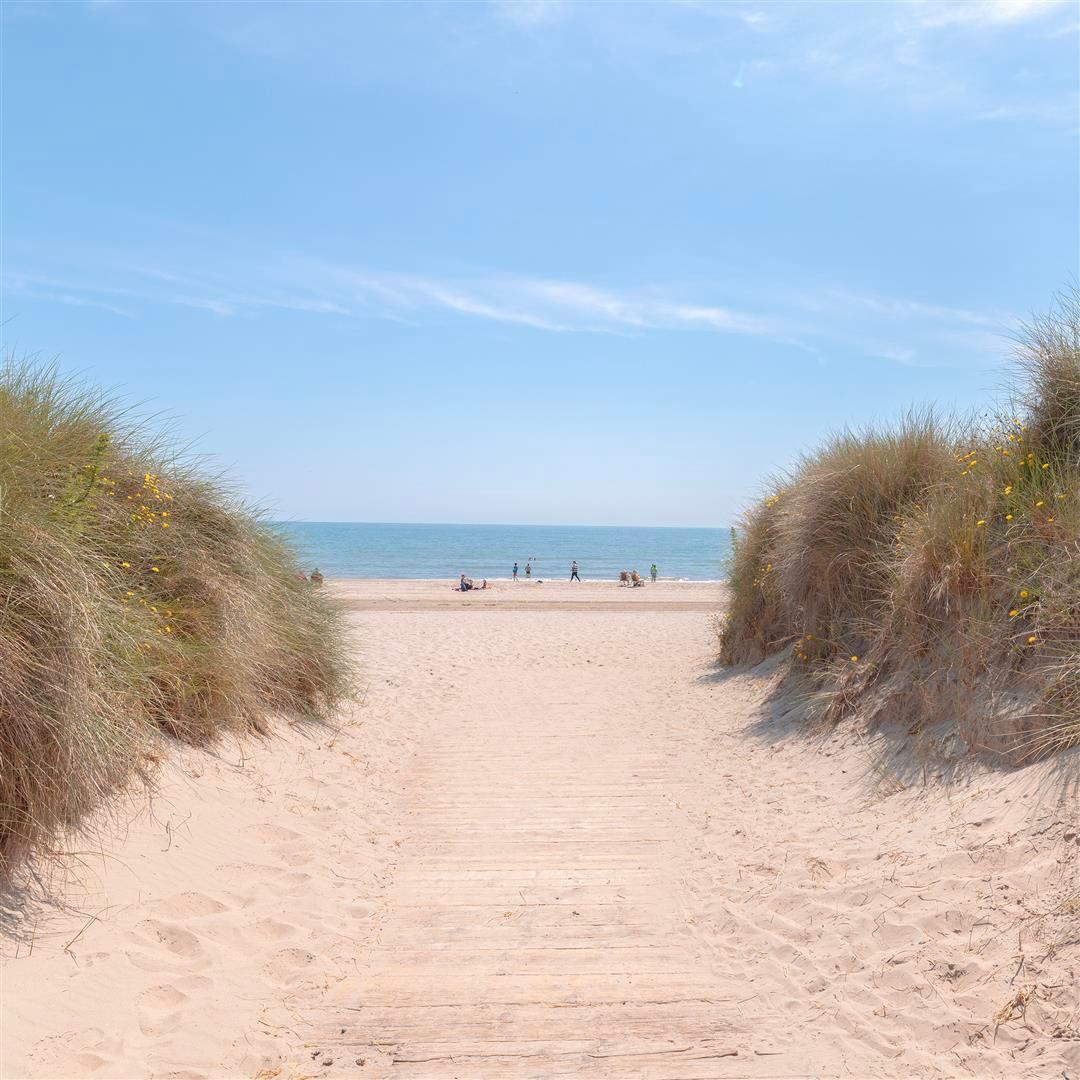
Overview
South Wexford is a compact but spectacular 40 km (25 mi) ribbon of coastline in Ireland’s sunniest corner. From the craggy limestone tip of Hook Head in the west to the granite headland of Carnsore Point in the east, the strip is dotted with thirteen sites of international importance – eight of which are linked by the Celtic Sea’s inshore waters. The area is a haven for wildlife, geology enthusiasts and history lovers alike, offering everything from ancient lighthouses to thriving seabird colonies.
History & Background
The South Wexford Coast has been a crossroads of civilisation for millennia. Early Celtic settlements gave way to Viking incursions, Norman fortifications and later English parliamentary representation (the historic South Wexford constituency existed from 1885‑1922). The Hook Peninsula, where the iconic Hook Lighthouse stands, was a strategic maritime point for the medieval English Crown and later for the United Kingdom. Tintern Abbey, founded in the 13th century by the Earl of Pembroke for Welsh monks, reflects the area’s monastic heritage and later private residence of the Colclough family.
What to See & Do
Hook Lighthouse & Hook Head
- Built in the early 13th century, Hook Lighthouse is the oldest working lighthouse in Northern Europe.
- Visitors can climb the 115 steps to the lantern room for panoramic views of the three sister rivers – the Nore, Suir and Barrow – and, on a clear day, spot dolphins or humpback whales.
- The lighthouse is part of the Hook Peninsula, a landscape that inspired the phrase “by hook or by crook”.
- More information: Hook Heritage
Bannow Bay (SPA & SAC)
- An enclosed estuarine system with extensive sand and mud flats that support an internationally‑important population of Light‑bellied Brent Geese in winter.
- The saltmarshes host Perennial Glasswort, a plant found only on the South Wexford Coast in Ireland.
- Designated both a Special Protection Area (SPA) and a Special Area of Conservation (SAC).
- Official site: Bannow Bay SPA
Keeragh Islands
- Two low‑lying islands that hold a nationally‑important colony of breeding Great Cormorants from May to September.
- Historically a breeding ground for terns and possibly the last Irish colony of the Great Auk.
- The islands are a predator‑free night roost for wildfowl in winter and are surrounded by a boulder‑strewn rock platform rich in seaweeds.
- Designated SPA: Keeragh Islands SPA
Tintern Abbey & Colclough Walled Garden
- 13th‑century Cistercian abbey with well‑preserved cloister walls, crossing tower and chancel.
- The surrounding woodlands support important bat colonies.
- The Colclough Walled Garden, restored since 2010, offers a tranquil setting and a tea room.
- Opening hours (April‑Oct): 10:00‑17:30 (June‑Aug) or 09:30‑17:00 (Apr, May, Sep, Oct).
- Admission: €5 adults, €4 senior/group, €3 child/student, €13 family; combined ticket with garden €9.
- More details: Tintern Abbey
Irish National Heritage Park
- An interactive 35‑acre park that brings prehistoric, Early Christian and Viking Ireland to life through full‑scale reconstructions, a round‑tower memorial, woodland trails and hands‑on activities such as coracle rowing and spear‑throwing.
- Ideal for families and school groups.
- Official site: Irish National Heritage Park
John F. Kennedy Arboretum
- A 250‑hectare arboretum dedicated to the memory of President John F. Kennedy, featuring lakes, walking trails and a diverse collection of native and exotic trees.
- One of the four stops on the South Wexford Coastal Tour.
Other Highlights
- Ballyteige Burrow – a shingle‑based dune system supporting rare lichens and insects.
- Saltee Islands – a world‑renowned seabird sanctuary and Special Protection Area.
- Tacumshin Lake and Lady’s Island Lake – coastal lagoons of EU priority habitat status.
- Carnsore Point – a hotspot for birdwatchers with protected reefs.
Wildlife Highlights
South Wexford’s coast is a key waypoint on the East Atlantic Flyway. In winter, Bannow Bay and the Keeragh Islands host flocks of Light‑bellied Brent Geese, Great Cormorants, and a variety of waders such as oystercatchers and curlews. The surrounding cliffs and offshore islands provide breeding grounds for gulls, terns and, occasionally, rare visitors like the European Storm‑Petrel. Marine life includes common dolphins, harbour porpoises and, during the summer months, the occasional humpback whale passing through the Celtic Sea.
Practical Information
South Wexford Coastal Tour (Discover Ireland)
The full‑day guided coach tour circles the Hook Peninsula, offering a convenient way to sample the region’s highlights.
| Season | Stops (4) |
|---|---|
| September – April | Irish National Heritage Park, Bannow Bay, Hook Lighthouse (with lunch), John F. Kennedy Arboretum |
| May – August | Hook Lighthouse, Tintern Abbey, Bannow Bay, Irish National Heritage Park |
- Duration: just over 9 hours
- Departure point: The Crescent, Wexford Town
- Booking: Available via Discover Ireland
Getting There
- By car: The M11 motorway links Dublin to Wexford Town in about 2 hours; the coastal route (R734) follows the shoreline and provides ample parking at most sites.
- By bus: Regular services run from Dublin to Wexford Town (≈2 h) and from Wexford to Rosslare Harbour; the local bus network connects the main villages and coastal stops.
- By train: Wexford Town railway station offers connections from Dublin (≈2 h 30 min).
Accessibility
- Hook Lighthouse Visitor Centre is wheelchair‑accessible, though the climb to the lantern room involves stairs.
- Irish National Heritage Park provides accessible pathways and wheelchair‑friendly facilities.
- Bannow Bay and the Keeragh Islands are natural habitats with limited paved access; visitors with reduced mobility may prefer the coastal drive and viewpoint areas.
Admission & Fees (selected sites)
| Site | Adult Fee | Child / Concession |
|---|---|---|
| Hook Lighthouse (tour) | €7 | €5 (students/seniors) |
| Tintern Abbey | €5 | €3 (child/student) |
| Irish National Heritage Park | €12 | €9 (children 5‑15) |
| John F. Kennedy Arboretum | Free | Free |
| Keeragh Islands (nature reserve) | Free | Free |
Best Time to Visit
- Spring (April‑May): Migratory birds arrive at Bannow Bay and the Keeragh Islands; wildflowers begin to colour the dunes.
- Summer (June‑August): Longer daylight for the coastal tour; the lighthouse’s lunch stop is especially pleasant.
- Autumn (September‑October): Light‑bellied Brent Geese peak in Bannow Bay; fewer crowds on the tour.
- Winter: Bird‑watchers can still enjoy the SPA sites, though some facilities have reduced opening hours.
Suggested Itinerary (self‑drive)
- Morning: Start at Hook Lighthouse – climb the lantern for sunrise over the three rivers.
- Mid‑morning: Drive to Tintern Abbey – explore the ruins and the walled garden.
- Lunch: Picnic at the JFK Arboretum’s lakeside café.
- Afternoon: Visit Bannow Bay – walk the mud‑flat boardwalk (tide‑aware) and spot geese.
- Late afternoon: Head to the Keeragh Islands viewpoint at Duncannon for bird‑watching.
- Evening: End at Carnsore Point for sunset over the Celtic Sea.
Visitor Tips
- The South Wexford Coastal Tour includes a lunch stop at Hook Lighthouse; no need to book meals separately.
- Parking is free at most coastal viewpoints, but the Hook Lighthouse car park can fill quickly in summer – arrive early.
- For bird‑watching at Bannow Bay, consult the NPWS tide tables to plan visits during low tide when mudflats are exposed.
- The Irish National Heritage Park offers family‑friendly accommodation in a reconstructed ring‑fort for an immersive overnight experience.
Nearby Attractions
If you have extra time, consider visiting other highlights along the South Wexford coast:
- Ballyhack – a charming village with a historic castle and harbour.
- Dunbrody Famine Ship – an interactive museum ship in New Ross.
- Baginbun Beach – a sandy beach and headland on the Hook Peninsula.
- Cahore Point – a scenic headland with dramatic cliffs.
- Curracloe Beach – a long, golden‑sand beach popular with walkers and surfers.
Enjoy the blend of natural splendor, wildlife wonder and layered history that makes South Wexford a micro‑cosm of Ireland’s Ancient East.