
Overview
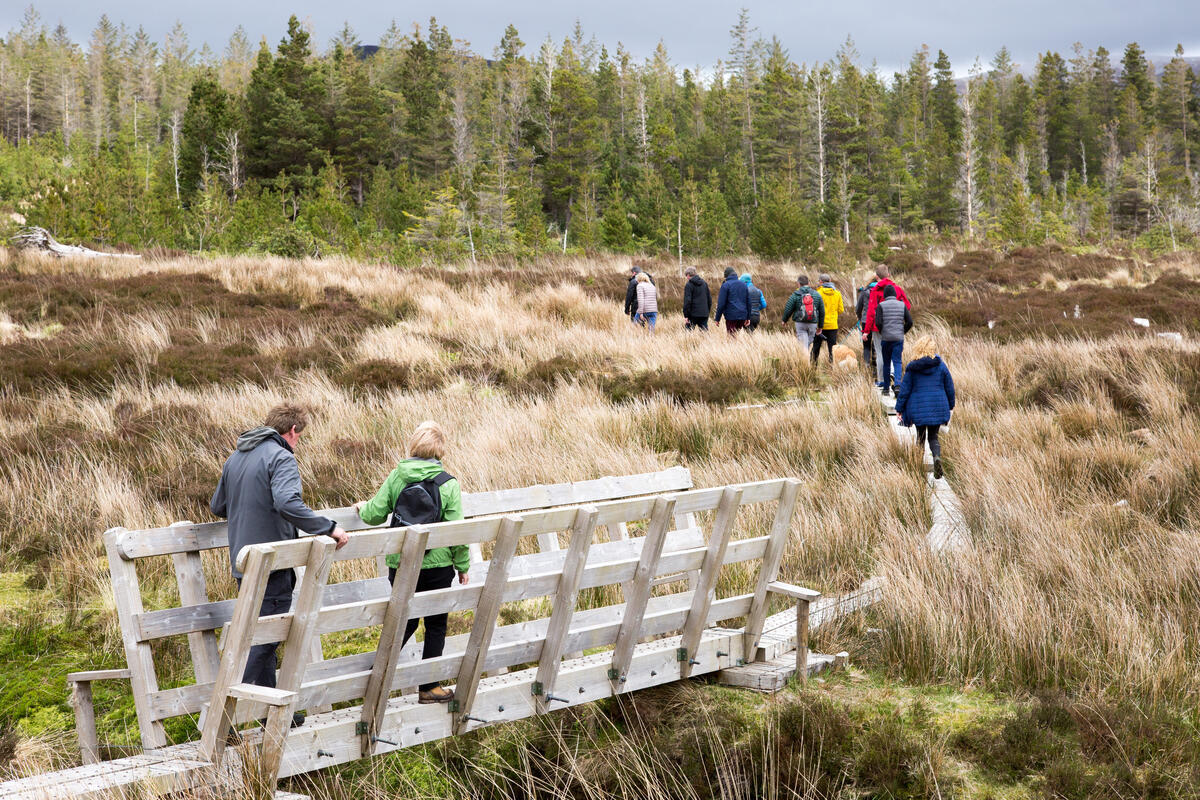
Srahmore Bog Natural Heritage Area is a pristine raised‑bog ecosystem spread over roughly 1,200 acres in the west of County Mayo. Designated a Natural Heritage Area in 2007, the bog is a living laboratory of peat formation, carbon sequestration and biodiversity. Its spongy, water‑logged surface is dotted with pools, hummocks and ridges, creating a mosaic that supports a suite of specialised flora and fauna. Because the site has no formal visitor facilities, it remains a tranquil refuge for those seeking solitude in one of Ireland’s most iconic wetland landscapes.
| Feature | Detail |
|---|---|
| Size | ~1,200 acres |
| Year Established | 2007 |
| Annual Visitors | Few hundred (mostly naturalists & researchers) |
| Trail Length | ~2 miles of informal, low‑impact paths |
| Entry | Free, open year‑round |
History & Cultural Significance
Raised bogs like Srahmore are among Ireland’s most ancient landscapes, formed over millennia as sphagnum moss and organic matter accumulated in water‑saturated conditions. The peat layers act as a climate archive, preserving pollen, ash and even artefacts that reveal past human activity. Historically, Irish bogs supplied fuel and building material, and they feature prominently in folklore and myth. While Srahmore is now protected for its ecological value, its very existence is a reminder of the cultural relationship between Irish communities and the peatlands that sustained them.
What to See & Do
Flora
The bog supports a striking array of plant life adapted to acidic, nutrient‑poor conditions. Look out for bog cotton (Eriophorum) swaying in the mist, heathers that colour the landscape in summer purples, and the delicate sundews (Drosera)—carnivorous plants that trap tiny insects on their sticky leaves. Mosses dominate the ground, creating the soft carpet that defines the bog’s texture.
Fauna
Birdwatchers will be delighted by the presence of the Greenland white‑fronted goose, an internationally protected species that uses Srahmore as a resting and feeding stop during migration. The bog also hosts a variety of rare dragonflies and specialised insect communities that thrive in the wet micro‑habitats.
Landscape & Geology
The raised‑bog formation itself is a natural wonder. Visitors can wander along informal tracks that skirt the pool systems, hummocks and ridges, observing active peat accumulation at work. The quiet, open expanse offers panoramic views of the Atlantic blanket‑bog network that stretches across western Ireland.
Low‑Impact Activities
Because the habitat is fragile, activities are limited to low‑impact nature observation, birdwatching and scientific study. The surrounding countryside provides additional walking routes that link to the bog’s edge, allowing hikers to explore historic sight‑lines and enjoy the serene atmosphere without disturbing the core area.
Conservation and Research
Srahmore Bog is managed by the National Parks and Wildlife Service (NPWS) as part of Ireland’s network of Natural Heritage Areas. Ongoing research projects monitor peat accumulation rates, carbon storage and the health of specialist species such as sundews and the Greenland white‑fronted goose. Local naturalist groups occasionally organise seasonal walks and talks, offering visitors insight into the bog’s ecology and its role in climate research.
Practical Information
Srahmore Bog has no formal opening hours; the site is accessible year‑round and entry is free. There are no ticket offices or visitor centres, so plan your visit using a reliable map or GPS device. The most common access point is via local country roads that lead to a modest lay‑by near the informal trailheads. While parking is not officially provided, a small, unmarked space near the trailhead is typically used by locals and visitors alike.
Because the terrain is water‑logged and uneven, sturdy walking boots with good ankle support are advisable. The bog’s surface can be spongy, and some sections may be deeper than others, so stay on the marked informal paths to protect both yourself and the delicate ecosystem. Photographers will appreciate the soft, diffused light that often blankets the bog, especially in early morning or late afternoon.
If you are interested in a deeper understanding of the bog’s ecology, consider contacting the County Mayo Heritage Office or local naturalist groups, many of which organise seasonal walks and talks. While no admission fee is required, donations to the managing conservation body are welcomed to support ongoing habitat protection and research.
For those travelling from nearby towns such as Westport, the drive to the bog takes roughly 30 minutes via the R310 and local lanes. Public transport options are limited; a private car or a guided local tour is the most reliable way to reach the site.
Nearby Attractions
While you’re in the area, consider extending your day with a visit to other highlights of western Mayo:
- Ballycroy National Park – Ireland’s first designated national park, featuring extensive blanket bog, woodland walks and the iconic Wild Nephin mountain.
- Knock Shrine – A major pilgrimage site with a fascinating history and a museum.
- Aasleagh Falls – A scenic waterfall on the River Aasleagh, reachable via a short forest walk.
Each of these sites complements the natural and cultural experience offered by Srahmore Bog.
Srahmore Bog offers a rare glimpse into Ireland’s ancient peatland heritage, where quiet contemplation meets scientific intrigue. Whether you are a birdwatcher, a botanist, or simply a lover of untouched landscapes, the bog’s subtle beauty and ecological importance make it a compelling destination in County Mayo.