
Overview
The Stags of Broadhaven (locally known as Na Stacaí) are a dramatic group of five cliff‑ed, rocky islets that dominate the seascape off the north‑west coast of County Mayo. Rising to a maximum height of 97 m (Teach Donal O’Clerigh), the islands sit roughly 2–3 km offshore from Benwee Head, near the village of Kilgalligan. Their stark silhouettes are visible from the popular Erris Head loop walk and form a striking backdrop for the Wild Atlantic Way.
History & Background
While the Stags have no recorded human settlement, they have long featured in local folklore. Mythology tells that the Children of Lir were banished to these sea stacks, a tale commemorated by a modest monument on the mainland walk. In more recent centuries the islands have become a focal point for maritime activity – from traditional fishing to modern sea‑sports – and were formally recognised as a Special Protection Area (SPA) by the National Parks and Wildlife Service (NPWS) because of their importance to seabird breeding.
What to See & Do
Birdwatching
The Stags host one of Ireland’s most significant seabird colonies. Numbers recorded by NPWS include:
| Species | Approx. Breeding Pairs / Sites |
|---|---|
| Leach’s Storm Petrel | 310 occupied sites |
| Storm Petrel | 1,905 occupied sites |
| Puffin | 1,000 occupied sites |
| Fulmar | 275 pairs |
| Great Black‑backed Gull | 10 pairs |
| Kittiwake | 110 pairs |
| Herring Gull | 4 pairs |
| Great Skua | (possible, unconfirmed) |
These islands are the only known Irish breeding site for Leach’s Storm Petrel and possibly for Great Skua, making them a magnet for serious birders.
Sea‑Caving & Kayaking
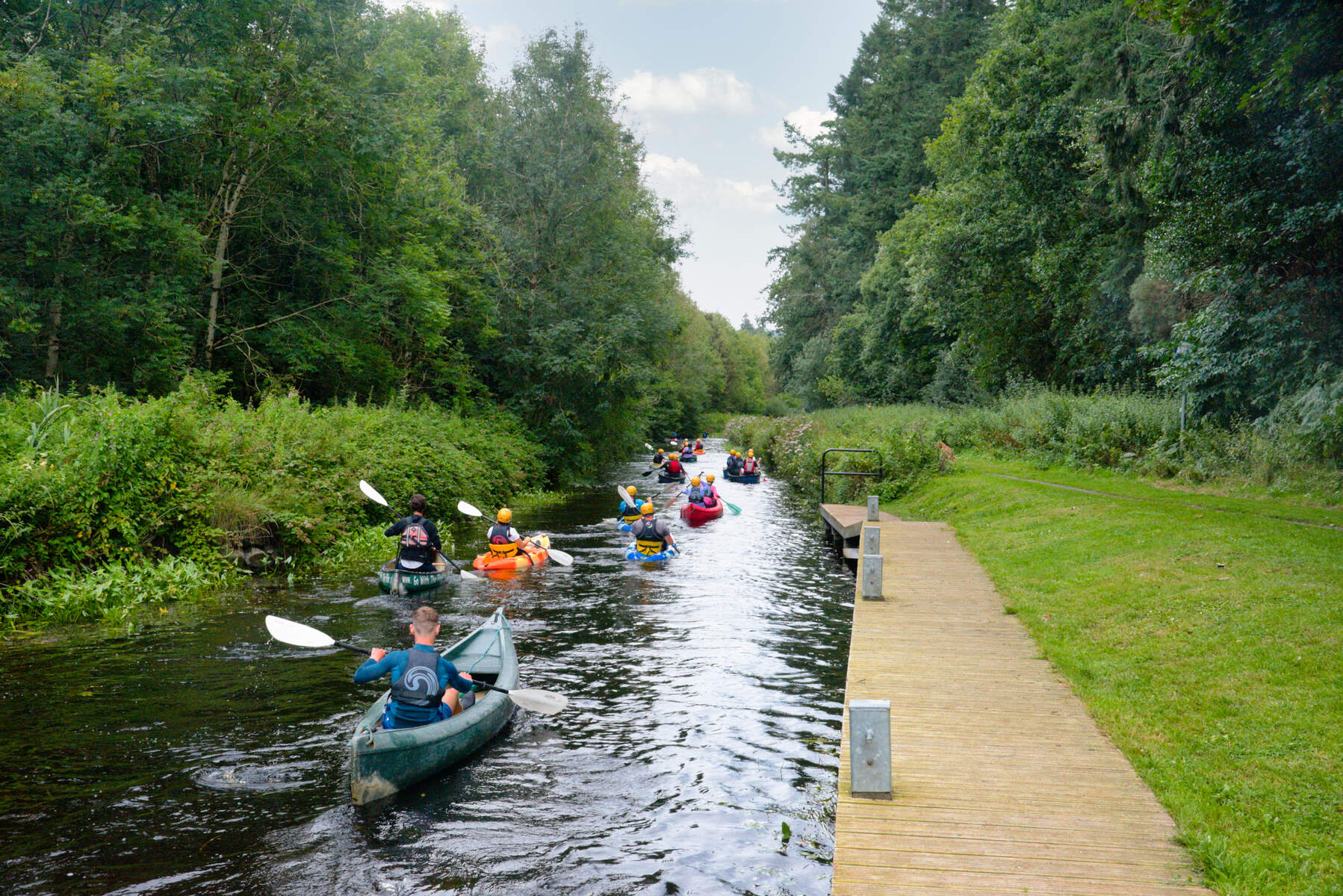
The western side of An Teach Beag is pierced by an east‑west tunnel cut entirely by the sea, offering a natural arch that kayakers love to explore. The surrounding cliffs are riddled with smaller caves and sea arches, providing dramatic photo opportunities and a sense of adventure for experienced paddlers.
Diving & Sub‑Aqua Exploration

Because of the clear Atlantic waters and abundant marine life, the Stags are a popular destination for scuba divers and sub‑aqua teams. Divers can explore the tunnel, the rocky ledges, and the rich kelp forests that fringe the islands.
Scenic Viewing from Shore
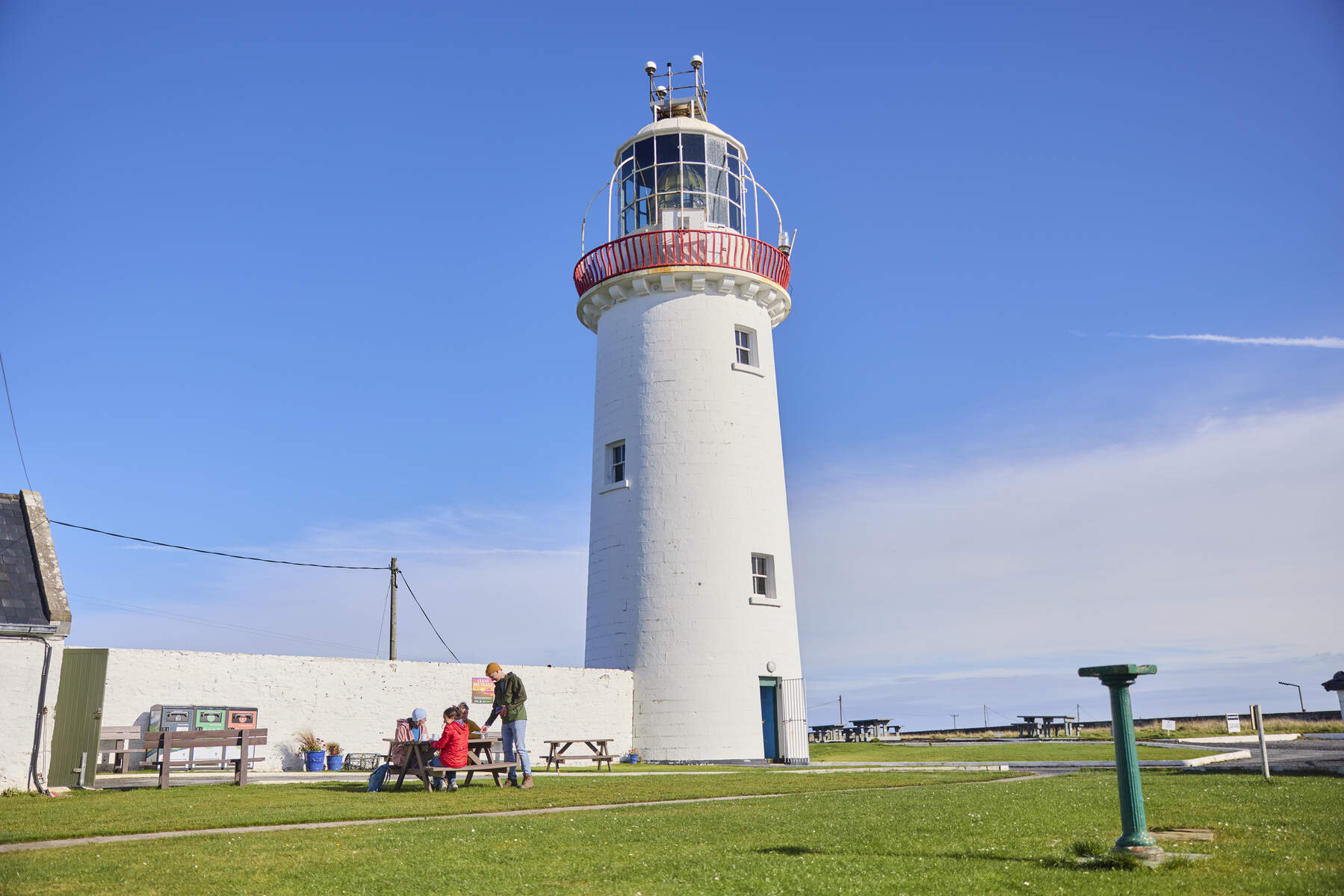
For those who prefer to stay on land, the Erris Head loop walk offers a panoramic vista of the Stags on clear days. The walk, part of the Wild Atlantic Way, winds through bogland and sheep paths before reaching the cliff edge where the sea stacks loom overhead. The view is especially striking at sunrise or under a noctilucent cloud display, as captured in local photography.
Viewing from Ceide Fields Visitor Centre
The modern Ceide Fields Visitor Centre, perched on the cliffs above the bog, includes an indoor and outdoor glass‑topped viewing platform. From here visitors can enjoy uninterrupted, 360‑degree views of the Atlantic and the Stags of Broadhaven rising on the horizon. The centre’s interpretive displays also explain the geological and cultural links between the ancient field system and the sea stacks.
Cultural Connections
Guided tours such as those run by Broadhaven Irish Tours often include a stop at the Stags, weaving together natural history, mythology, and the broader cultural landscape of North Mayo. These tours may also incorporate foraging sessions when tides and weather allow.
Getting There
The Stags are most easily accessed by sea. Private boats, local kayak hire operators, and organised tours depart from the harbour at Belmullet, roughly 5 km east of the islets. For land‑based visitors, the main viewpoint is reached via the Erris Head car park, a free, well‑marked lot a short walk from the cliff edge. Visitors should check tide tables and weather forecasts before setting out, as the Atlantic can become hazardous quickly.
Practical Information
The Stags of Broadhaven are a natural, free‑entry site; there are no ticket charges or formal opening hours. Access is primarily by sea – private boat, kayak, or organised tour – or by viewing from the mainland walk. The nearest parking for the Erris Head loop is at the Erris Head car park, which is free and provides a short, well‑marked trail to the viewpoint.
Because the islands are exposed to the Atlantic, sea conditions can change rapidly. Kayakers and divers should check local tide tables and weather forecasts before setting out, and consider joining a local guide if unfamiliar with the area. The NPWS SPA designation means that visitors are asked to keep a respectful distance from nesting birds, especially during the breeding season (April‑August). Landing on the islets is prohibited to protect the fragile habitat.
For more detailed navigation, the NPWS protected‑site PDF offers official maps and guidelines: NPWS SPA Synopsis.
Seasonal Highlights
The peak bird‑watching period runs from April to August, when the majority of seabirds are nesting. Puffins are most visible in May and June, while storm‑petrels and gulls are active throughout the summer months. Early mornings often provide the best light and the calmest sea conditions for spotting birds and photographing the stacks.
Safety & Conservation
- Tides: The Stags sit in a tidal zone; low tide reveals rock platforms that can be hazardous at high tide.
- Weather: The Atlantic can produce sudden squalls; always carry a waterproof jacket and a fully charged mobile phone.
- Wildlife protection: Keep at least 100 m away from nesting sites during the breeding season. No landing is permitted.
- Equipment: If kayaking or diving, use a sea‑rated vessel or dive gear and file a dive plan with a local operator.
Nearby Attractions
- Belmullet – a coastal Gaeltacht town with shops, cafés and a harbour used for boat trips to the Stags.
- Ballycroy National Park – Ireland’s first designated wilderness area, offering extensive walking trails and wildlife spotting opportunities a short drive inland.
- Downpatrick Head – a dramatic headland with a blow‑hole, ruined church and the famous Dun Briste sea stack, reachable via the Wild Atlantic Way.
- Benwee Loop walk – a 5‑hour coastal trek that showcases the quartzite cliffs, arches and chimneys of Benwee Head, with repeated views of the Stags across Broadhaven Bay.
The Stags of Broadhaven combine raw natural beauty, rare wildlife, and a touch of myth, making them a must‑see for anyone exploring the rugged west of Ireland. Whether you’re a birdwatcher, a sea‑cutter, or simply a lover of dramatic coastal scenery, the Stags promise an unforgettable encounter with the Atlantic’s wild heart.