
Overview
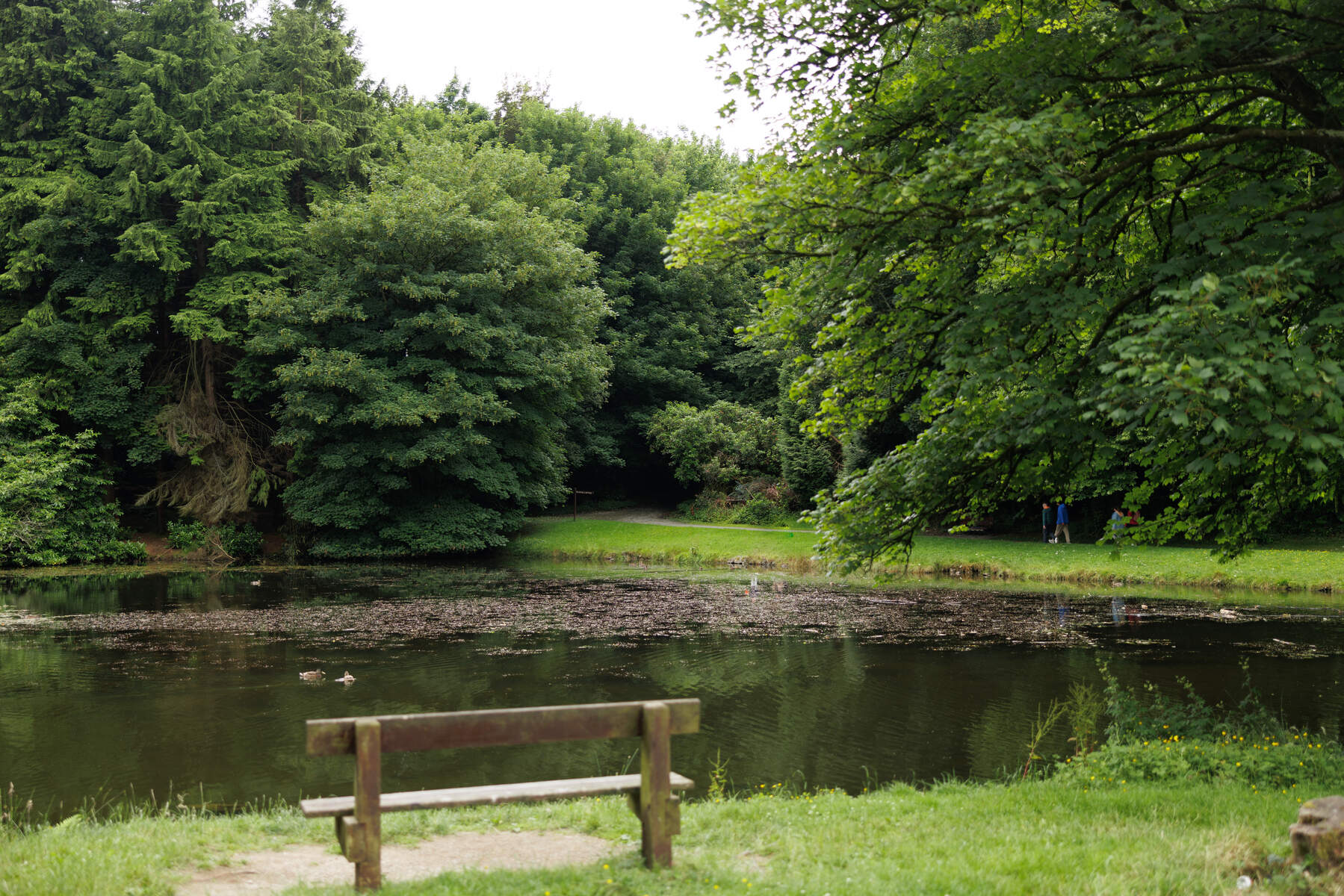
Teampall Caomhán, commonly called the Sunken Church, sits opposite the modest air‑strip in the graveyard of Inis Oírr – the easternmost of the Aran Islands. Only the chancel of the original stone church remains visible above the sand, giving the impression that the building has been swallowed by the earth. The site is free to enter and is sign‑posted from the main pier, making it one of the most accessible and evocative stops on the island.
History
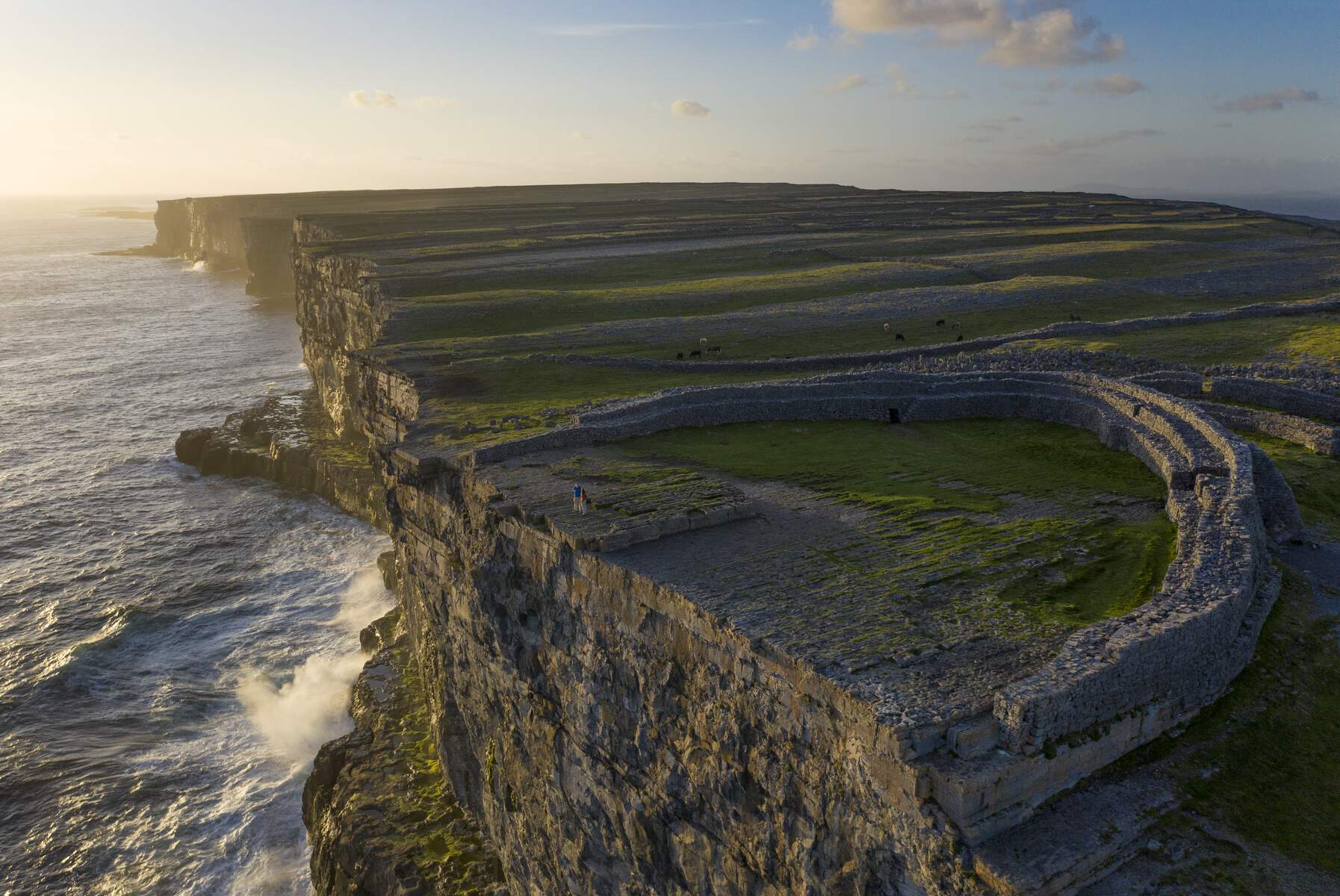
The spiritual roots of the site reach back to the 6th century, when a monk called Caomhán – traditionally said to be a brother of St Kevin of Glendalough – arrived on Inis Oírr to spread Christianity. He founded a modest monastic settlement on the spot where he would later be buried. In the 10th century a stone church was erected over his grave, giving the island its first substantial ecclesiastical building.
For centuries the relentless Atlantic winds and shifting dunes buried the church, until by the 19th century it was completely hidden beneath sand. In the 1980s the island community excavated the ruin, cleared the encroaching dunes and built a low protective wall to keep the sand at bay. Today the chancel stands a few metres below ground level, a rare example of an early Irish church that has survived both time and sand.
A further reminder of the island’s deep past is Cnoc Raithní, a Bronze‑Age burial mound discovered in 1885 after a storm uncovered it. Radiocarbon dating places the mound at around 1500 BC, making it the earliest known human activity on any of the Aran Islands, predating the famous Dún Aonghasa on Inis Mór.
St Caomhán’s feast day is celebrated on 14 June. An open‑air Mass is traditionally held at the ruins, and locals still pray at the saint’s roofed grave, believed to possess curative powers for fishermen and travellers.
Events
- June 14 – St Caomhán’s Feast Day – A special Mass is celebrated at the Sunken Church, followed by a modest community gathering in the graveyard.
- Drop Everything Festival (June) – Inis Oírr’s annual arts and culture festival incorporates a guided walk to the Sunken Church as part of its programme. Visitors can join a short hike, listen to local storytellers, and enjoy live music at nearby Áras Éanna.
- Seasonal Open‑Air Performances – During the summer months, occasional traditional music sessions and poetry readings are held beside the ruins, taking advantage of the site’s atmospheric light.
What to See & Do
-
The Chancel – The only surviving part of the church, the chancel, can be entered via a short flight of steps. Its simple rectangular plan, round‑headed doorway and tiny windows illustrate early Irish stone‑building techniques.
-
St Caomhán’s Grave – Located to the north‑east of the church, the saint’s tomb is protected by a modest roof. Visitors may descend a few steps into the crypt and view the inscribed stone slab marking his resting place.
-
Interpretive Panels – Information boards around the site explain the church’s architecture, the sand‑burial story and the saint’s local significance.
-
Scenic Walks – The church sits within a short, gentle walk from the pier, the village of Caherard and the island’s main beach. The surrounding graveyard offers quiet spots for contemplation.
-
Bike or Pony‑and‑Trap Rides – Bike hire is available at the pier, and pony‑and‑trap rides run regularly between the pier, O’Brien’s Castle and the Sunken Church. The Wanderly Wagon tour also includes a stop at the ruins.
-
Nearby Attractions – While on Inis Oírr, you can also explore:
Attraction Distance Inisheer Beach 0.3 km O’Brien’s Castle 0.4 km Plassey Shipwreck 1 km Fardurris Point Lighthouse 1.2 km An Loch Mór (the island’s large lake) 0.9 km -
Food & Drink – A handful of eateries lie within a kilometre of the church, including Teach an Tae Café (0.8 km), Fish Restaurant & B&B (0.3 km), Tigh Ned (0.9 km) and Café Una (0.7 km).
Practical Information
The Sunken Church is open year‑round and free of charge. There are no formal opening hours; the site is accessible during daylight while the island’s ferry services operate. Visitors typically arrive on foot from the pier, but bicycles, pony‑and‑trap rides or the Wanderly Wagon tour are also popular ways to reach the ruin.
- Parking – A small car park is located beside the pier; from there it is a level, well‑signposted walk of about five minutes to the church.
- Accessibility – The path to the church is level and the steps into the chancel are shallow. The descent into the saint’s crypt involves a few steps and may be challenging for those with limited mobility.
- Facilities – No visitor centre exists on site, but the nearby pier area provides public toilets and a small café.
- Volunteering – The site is maintained by local volunteers who periodically clear sand that drifts in from the sea.
For more details, the official Galway Tourism page provides additional information: Sunken Church of Inis Oírr – Galway Tourism.
Coordinates: 53.063855, ‑9.514009
Getting there: Ferries run from Rossaveel (≈55 minutes) and Doolin (≈20 minutes) to Inis Oírr. Once on the island, follow the signs from the pier toward the graveyard; the church is a short, pleasant stroll away.
When to visit: The church is especially atmospheric in the early morning or late afternoon light, when the low sun casts long shadows across the sand‑covered walls. The June 14 feast day brings a special communal mass and a lively local celebration.
Accessibility: The path to the church is level and the steps into the chancel are shallow, but the descent into the saint’s crypt involves a few steps and may be challenging for those with limited mobility.