Overview
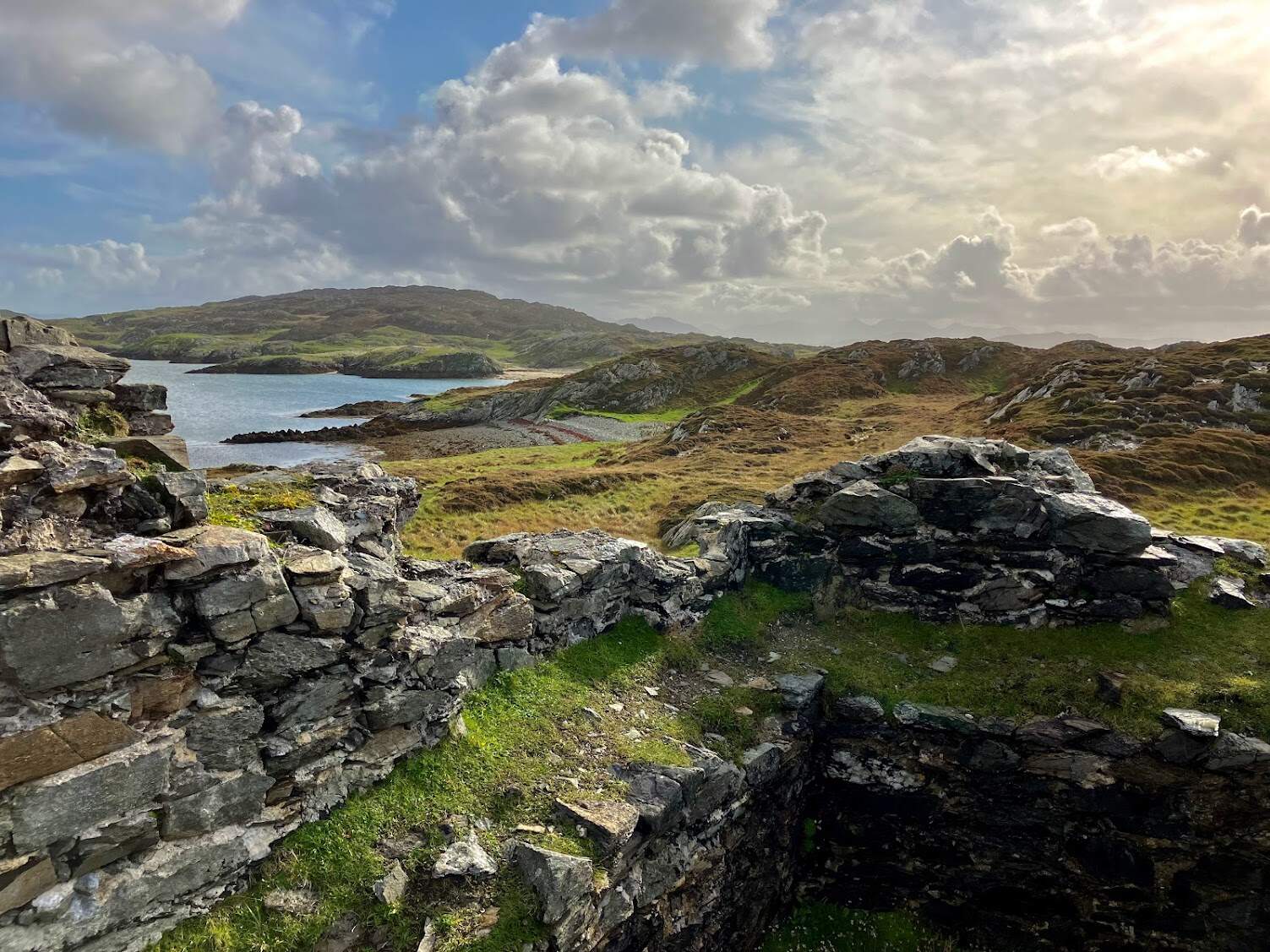
Perched on the eastern edge of Inis Cealtra – the famed Holy Island in Lough Derg – Teampall na bhFear nGonta (the Church of the Wounded Men) is a modest stone ruin that belies a rich tapestry of faith, conflict and local legend. The island’s name, Inis Cealtra, derives from the old Irish Inis (island) and Cealtra (church), underscoring its long‑standing religious importance. The building forms part of the island’s “Seven Churches” complex, a cluster of early Christian sites that have drawn pilgrims for centuries. Today, the weather‑worn walls and a simple doorway invite visitors to step back into a world where monks, Vikings and the O’Gradys once walked the same ground.
History
The spiritual heart of Inis Cealtra dates to the 6th century, when St Cuilen (also recorded as St Caimin) founded a monastery that would become a centre of learning and pilgrimage. Earlier pagan hermits such as Mac Creiche (c. 440‑500 AD) are also associated with the island, and the first recorded Christian community is linked to St Colm of Terryglass, one of the “Twelve Apostles of Erin”.
The island endured two Viking raids (836 AD and 922 AD). After the raids, the Dál gCais dynasty – the clan of Brian Boru – took patronage of the site. Brian’s brother Marcán became abbot, and the family later funded the construction of the iconic round tower.
In 1608 Pope Paul V listed Holy Island among twelve “Notable Shrines” in Ireland, confirming its status as a major pilgrimage destination. Pilgrims of the 18th and 19th centuries performed barefoot rounds around the island’s seven stations, sometimes even on bleeding knees, as acts of penance.
The structure now identified as Teampall na bhFear nGonta is believed to have originated before the 11th century, although the surviving fabric largely reflects an early 18th‑century mortuary chapel built by the O’Gradys. The O’Gradys adopted the motto “wounded but not vanquished” – a sentiment that gave the chapel its evocative name. The chapel served as a burial place for men slain in battle who had not received the last rites, and later functioned as a confessional for pilgrims.
Archaeological work in the 1970s uncovered pre‑Romanesque foundations, confirming the site’s ancient sacredness. The chapel was dismantled for excavation in 1977 and rebuilt in 1979, preserving the original stonework while stabilising the ruin for future generations.
Other island monuments include:
- St Caimin’s Church – late‑10th‑century single‑cell church later enlarged with a Romanesque doorway (rebuilt 1981).
- St Mary’s Church – the largest ruin on the island, early 13th century, once the parish church after 1210.
- St Michael’s Church – a small cillín (children’s burial ground) marked on old OS maps as “Garaidh Mhichaeil”.
- The Baptism Church – Romanesque ruin south of St Michael’s, also known as the “Piggery”.
- The Saints’ Graveyard – containing the enigmatic “ten men” and the 898 AD headstone of Cosrach, the “miserable one”.
- Lady’s Well, five bullaun stones, and a modest cottage north of the confessional add further layers to the island’s spiritual landscape.
Legends & Folklore
Local lore surrounds several features of the island:
- The Round Tower is said to have been left unfinished because a beautiful witch distracted the mason – a colourful alternative to the more plausible explanation of lightning damage.
- Near the chapel stands a rag (wishing) tree, where visitors tie ribbons in hope of a wish being granted.
- The confessional outside the walled graveyard may have originally been a timber shrine or tomb of a local saint before its 18th‑century conversion.
Pilgrimage Traditions
Historically, pilgrims would begin at St Caimin’s Church, recite the Apostles’ Creed, and then follow the Pilgrims’ Path – a low earth‑and‑stone bank that provides a dry passage even in wet weather. The route leads past the chapel, St Michael’s, and around the island’s seven sacred stations. Penitential practices included walking barefoot around the shoreline and completing seven rounds around each station, sometimes on bleeding knees.
What to See & Do
- The Ruined Nave of Teampall na bhFear nGonta – modest rectangular nave with original coursed stonework; faint doorway imprint on the west wall.
- Mortal Motif Carvings – weathered fragments hint at the O’Gradys’ heraldic symbols.
- Pilgrims’ Path – low earth‑and‑stone bank offering a contemplative walk.
- Round Tower – view (or climb where safe) for panoramic vistas of Lough Derg.
- St Caimin’s Church, St Mary’s Church, St Michael’s Church, Baptism Church – explore varied architectural phases.
- Lady’s Well – historic holy well reputed to have healing properties.
- Bullaun Stones – five stone basins used in early Christian ritual.
- Rag (Wishing) Tree – tie a ribbon for good luck.
- Views Across Lough Derg – sunrise and sunset create photogenic backdrops.
Practical Information
Getting there – Holy Island is accessible only by boat. The most popular departure point is the Mountshannon harbour (R352), where passenger ferries operate from late May to early September, typically every 30‑45 minutes. A shorter crossing is available from Knockaphort Pier on the western shore of Lough Derg. All three historic piers on the island (East, West and South) are suitable for small craft; larger vessels should keep a safe distance from the rocky shoreline.
Parking & visitor centre – A free car park is available adjacent to the Mountshannon ferry terminal. The forthcoming visitor centre at the Old Rectory will provide interpretative displays, up‑to‑date ferry timetables and basic amenities (toilets and a small café).
Facilities on the island – No permanent facilities on Holy Island; bring water, snacks and any required supplies. The East Pier is closest to the chapel and round tower.
Accessibility – Stone steps to the chapel are uneven and may be challenging for those with limited mobility. The Pilgrims’ Path is a low earth bank rather than a paved walkway; sturdy footwear is advisable. The site is not wheelchair‑accessible.
Safety – Weather on Lough Derg can change quickly. After rain the stone walls become slick, so exercise caution. Canoeists and kayakers should use the designated landing areas and respect the three island piers.
Nearby attractions – After exploring Holy Island, consider a short drive to Clare Abbey on the mainland, another historic monastic site, or head to Ballyvaughan for a harbour‑side lunch and views of the Shannon Estuary.
Further reading & resources
- Detailed archaeological record: Clare Library – CL029‑00915‑
- Historical descriptions (1837, 1845, 1900) linked from the same page.
- Up‑to‑date ferry schedules and visitor‑centre news on the Mountshannon Old Rectory project via the Irish Heritage News site.
- High‑resolution historic and modern maps through the Clare Library mapping portal.
Visiting Teampall na bhFear nGonta offers a quiet, reflective experience that connects you directly with the layered history of Holy Island – from early monastic devotion to the resilient spirit of the O’Gradys. Whether you are a history enthusiast, a lover of rugged landscapes, or simply seeking a moment of stillness on Lough Derg’s waters, the Church of the Wounded Men stands as a poignant reminder of Ireland’s enduring faith and fortitude.