
Overview
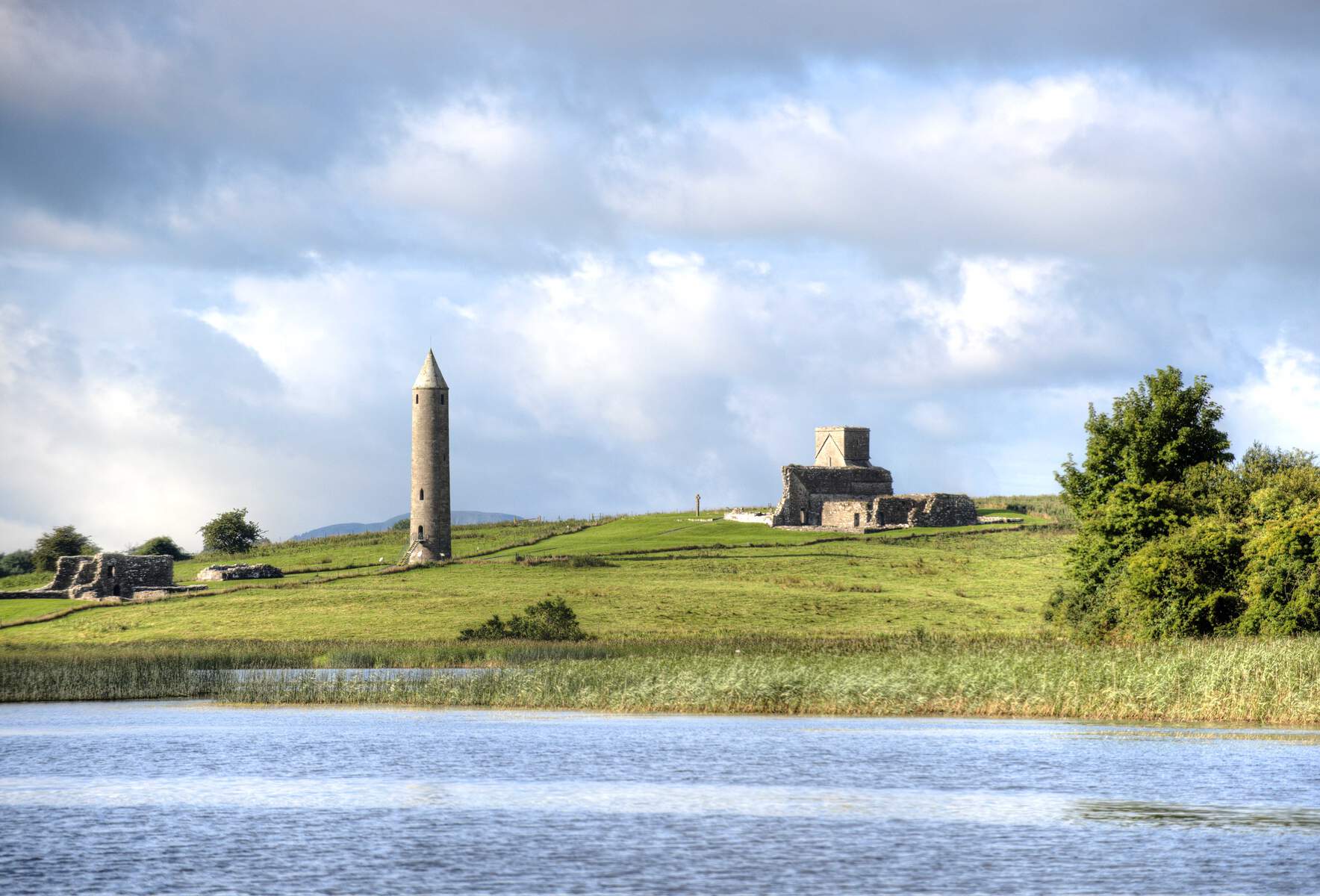
The Tempo River is a modest but ecologically significant watercourse in County Fermanagh, Northern Ireland. It rises in the upland woodlands of Dooneen Forest, meanders south‑west through the historic village of Tempo, and joins the Colebrooke River shortly before the waters enter Upper Lough Erne. The river’s catchment is underlain by a patchwork of old red sandstone, Carboniferous limestone and basal clastic bedrock, producing a mixture of sand and gravel beds that give the river its characteristic low‑land riffle‑and‑run texture with occasional deeper glides.
Designated as an Area of Special Scientific Interest (ASSI), the Tempo River is recognised for its high‑quality habitats and the presence of the freshwater pearl mussel (Margaritifera margaritifera), a species that has vanished from most Irish rivers. A 2018 Joint Nature Conservation Committee study recorded the mussel population as stable, underscoring the river’s conservation value.
History & Background
While the river itself is a natural feature, its surrounding landscape is steeped in human history. The village of Tempo, whose Irish name An tIompú Deiseal translates to “the right‑hand turn”, is thought to reference a distinctive bend in the river near the settlement. Local folklore even links the bend to a legend about Saint Patrick leaving a manuscript in the area.
During the Irish War of Independence, Tempo’s strategic position near the river made it a focal point for a dramatic 1920 raid on the Royal Irish Constabulary barracks. Today, the river’s quiet flow belies those turbulent times, offering visitors a peaceful setting to reflect on both natural and cultural heritage.
What to See & Do
Wildlife Watching
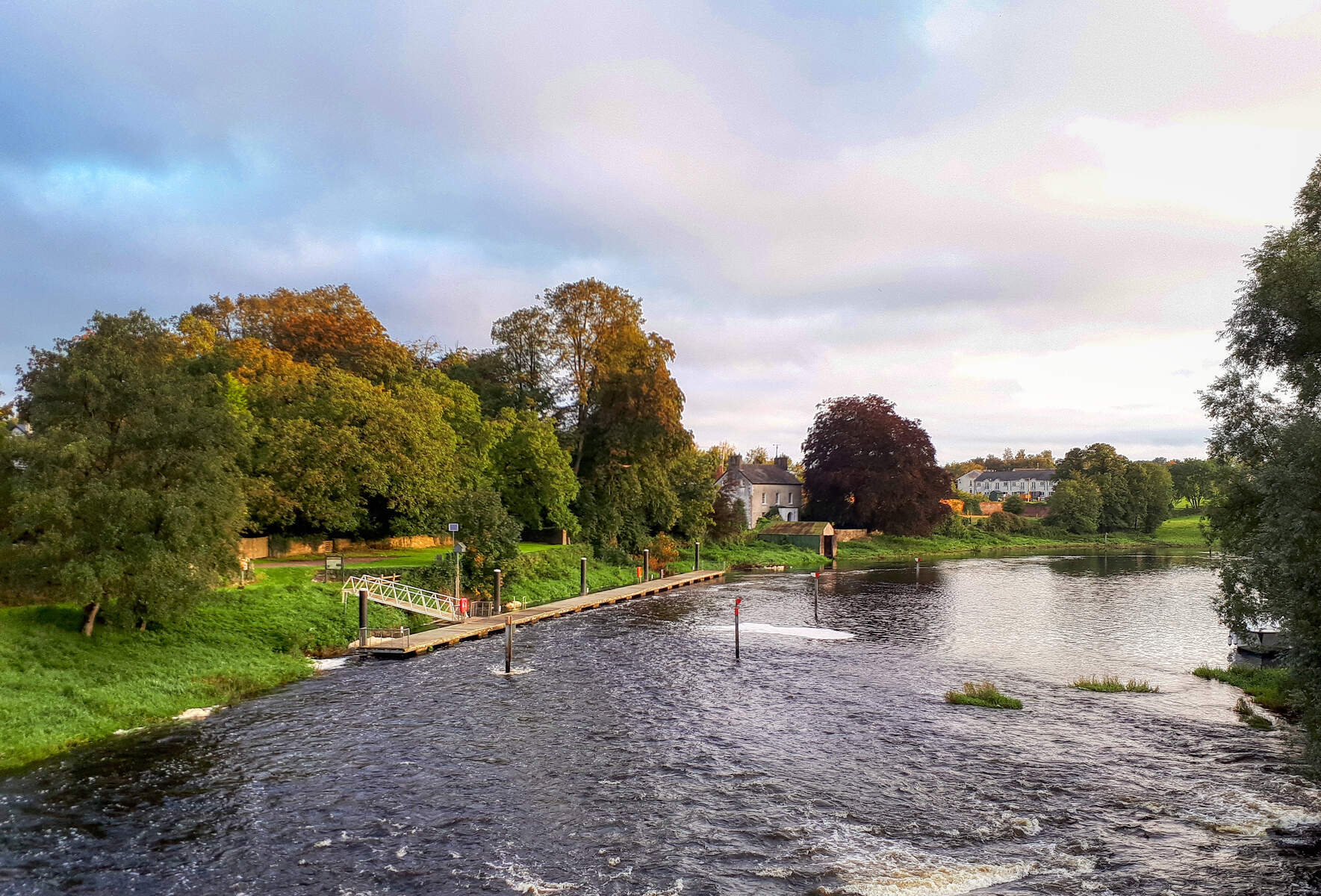
The Tempo River supports a surprisingly diverse assemblage of fauna. Otters patrol the banks, while white‑clawed crayfish scuttle among the gravel. Birdwatchers can spot kingfishers darting over riffles, and the river’s clean waters attract Atlantic salmon during their seasonal runs. Brown trout are abundant, making the river a favourite spot for anglers.
Angling
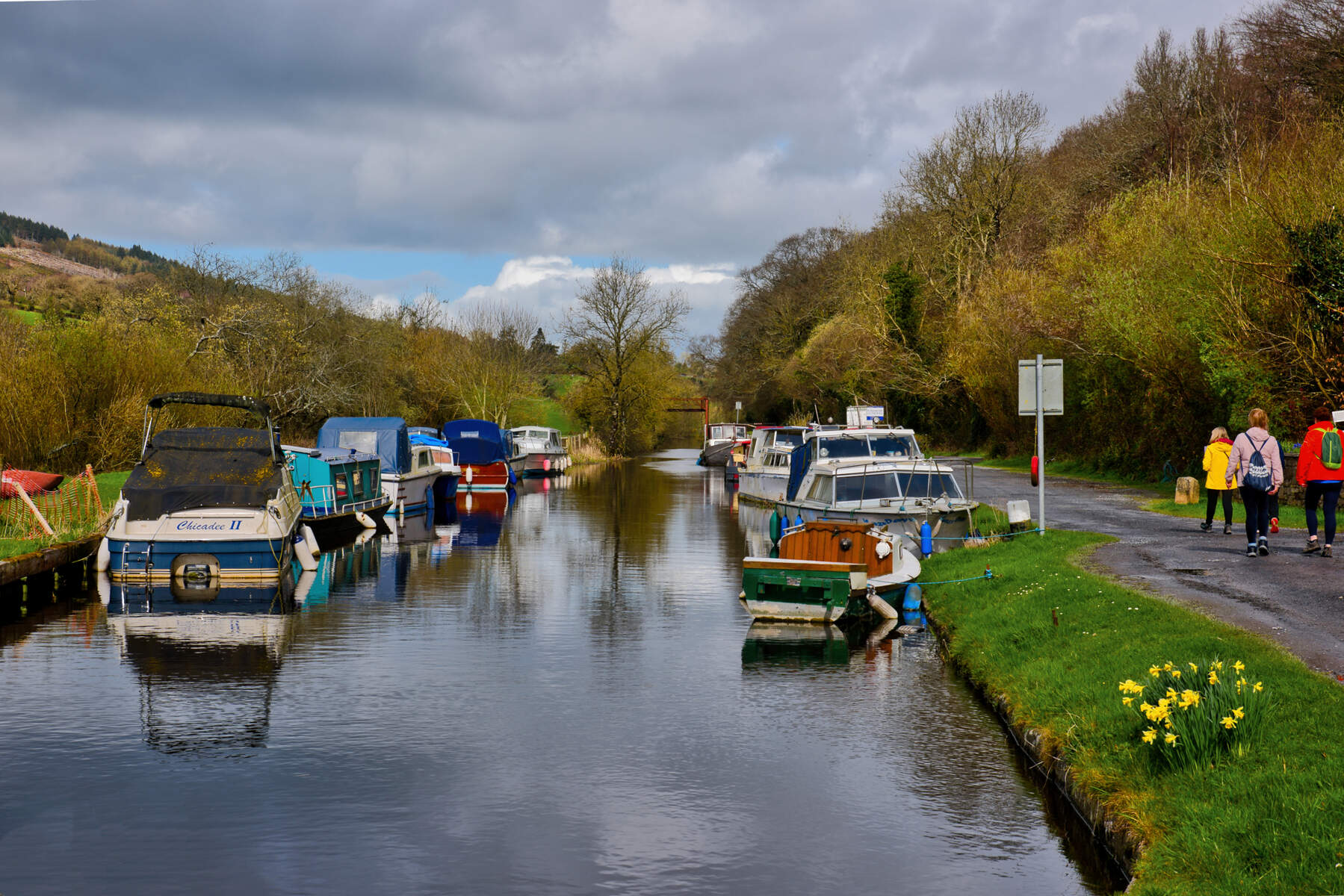
The river is prized for its brown trout fishery. Small but plentiful trout provide a rewarding experience for both novice and seasoned fly‑fishers. The river is also a modest salmon run, especially in the lower reaches where it meets the Colebrooke. Angling is managed by a local club; day tickets are sold at the nearby Spar shop in Maguire’s Bridge, and a Ministry of Agriculture licence is required. A helpful contact is Mr Patrick Trotter (7 Tallinderry Heights, Maguire’s Bridge), who can advise on the best stretches and current conditions.
| Species | Typical Season | Notes |
|---|---|---|
| Brown Trout | Year‑round, peaks in spring & autumn | Small to medium size, good for dry‑fly |
| Atlantic Salmon | Late spring to early summer | Runs are modest but reliable |
| Kingfisher | All year | Best seen at riffles and shallow runs |
| Otter | All year | Often spotted at dusk near banks |
Walking & Photography
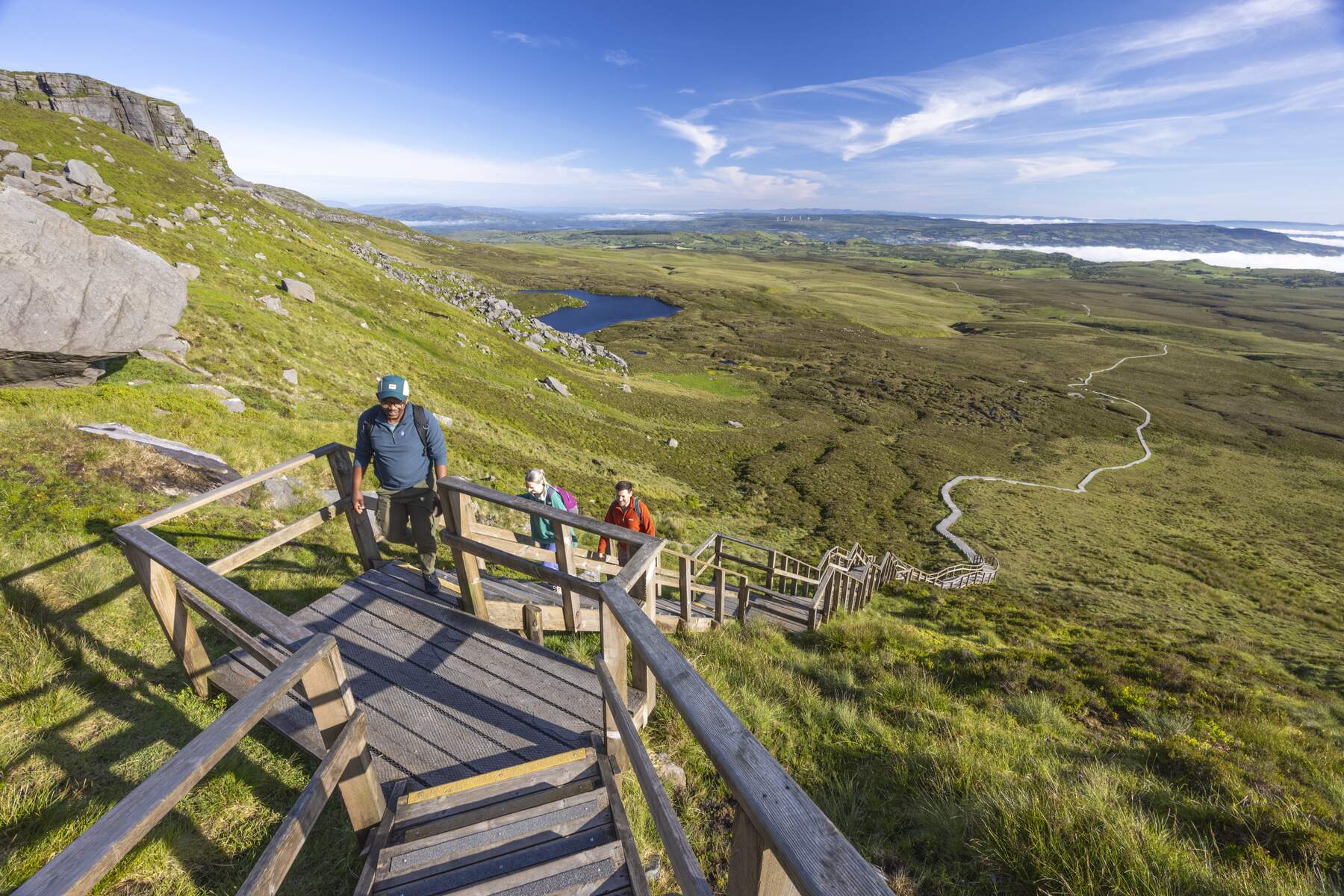
A gentle riverside path runs alongside much of the Tempo’s lower course, offering easy walking for families and photographers alike. The river’s clear water, interspersed with sandstone outcrops, creates reflective pools perfect for landscape shots. The village of Tempo itself provides additional attractions: a modern stone circle at the village entrance, the 19th‑century St Molaise’s Church, and the Victorian Tempo Manor whose grounds are traversed by the river.
Conservation & Recent News
The river’s ASSI status reflects its role as one of the few Irish waterways still supporting a viable population of the freshwater pearl mussel. The NI Environment Agency monitors water quality and works with landowners to minimise impacts from drainage and agricultural runoff.
In September 2024, a pollution incident was recorded when silage effluent entered a tributary of the Tempo River. The source was traced to a farm near Maguiresbridge and the landowner was fined £750 in early 2026. The case highlights the fragility of the river’s ecosystem and the importance of reporting incidents to the NIEA 24‑hour hotline (0800 80 70 60).
Historical records show that the river was restocked with young trout in 1965, a programme captured on film by the Broadcasting Authority of Ireland. The restocking helped maintain the river’s reputation as a productive trout fishery.
Nearby Attractions & Links
Tempo’s proximity to Upper Lough Erne opens up further possibilities: boat trips, fishing on the lough, and visits to Castle Archdale Country Park a short drive north‑east of the village. The surrounding countryside, with its rolling hills and patchwork fields, is ideal for cycling or a leisurely drive.
Other nearby natural sites worth exploring include the Aghinrawn River, the Arney River and the historic Castle Balfour. The larger Colebrooke catchment, including the Colebrooke Estate, offers additional walking routes and heritage buildings.
Practical Information
Access – From Enniskillen follow the A4 north‑east for nine miles, then turn off the B80 at Tempo. The village has a small car park off Main Street; a short walk leads to the riverbank.
Parking – Free on‑street parking is available in Tempo village. A designated lay‑by beside the riverside path provides space for a few cars and is marked with a wheelchair‑accessible sign.
Fishing permits – A Ministry of Agriculture licence is mandatory for all anglers on Northern Irish rivers. In addition, a day ticket from the local angling club (available at the Spar shop in Maguire’s Bridge) is required for the Tempo stretch. Contact Mr Patrick Trotter for up‑to‑date ticket prices and any seasonal restrictions.
Facilities – There are no formal visitor centres on the river, but the nearby village offers a café, a pub (Campbell’s Bar) and basic amenities. The river is free to walk along; no admission fee applies.
Contact & Further Information – For enquiries about the river’s conservation status or the surrounding estate, you can reach the NI Environment Agency at http://www.ni-environment.gov.uk/index.htm or call the Tempo Manor office at 028 9056 9615.
Pollution reporting – Incidents can be reported to the NIEA 24‑hour hotline on 0800 80 70 60.
Seasonality – The river is accessible year‑round. While water levels can vary, the riffle sections remain navigable for walkers even after heavy rain. Angling seasons follow the standard Northern Irish regulations for trout and salmon.
Accessibility – The main riverside path is level and suitable for strollers and wheelchairs, though some sections near the village centre involve uneven stone surfaces.
Enjoy the quiet charm of the Tempo River – a place where natural beauty, wildlife, and gentle recreation converge in the heart of County Fermanagh.