
Overview
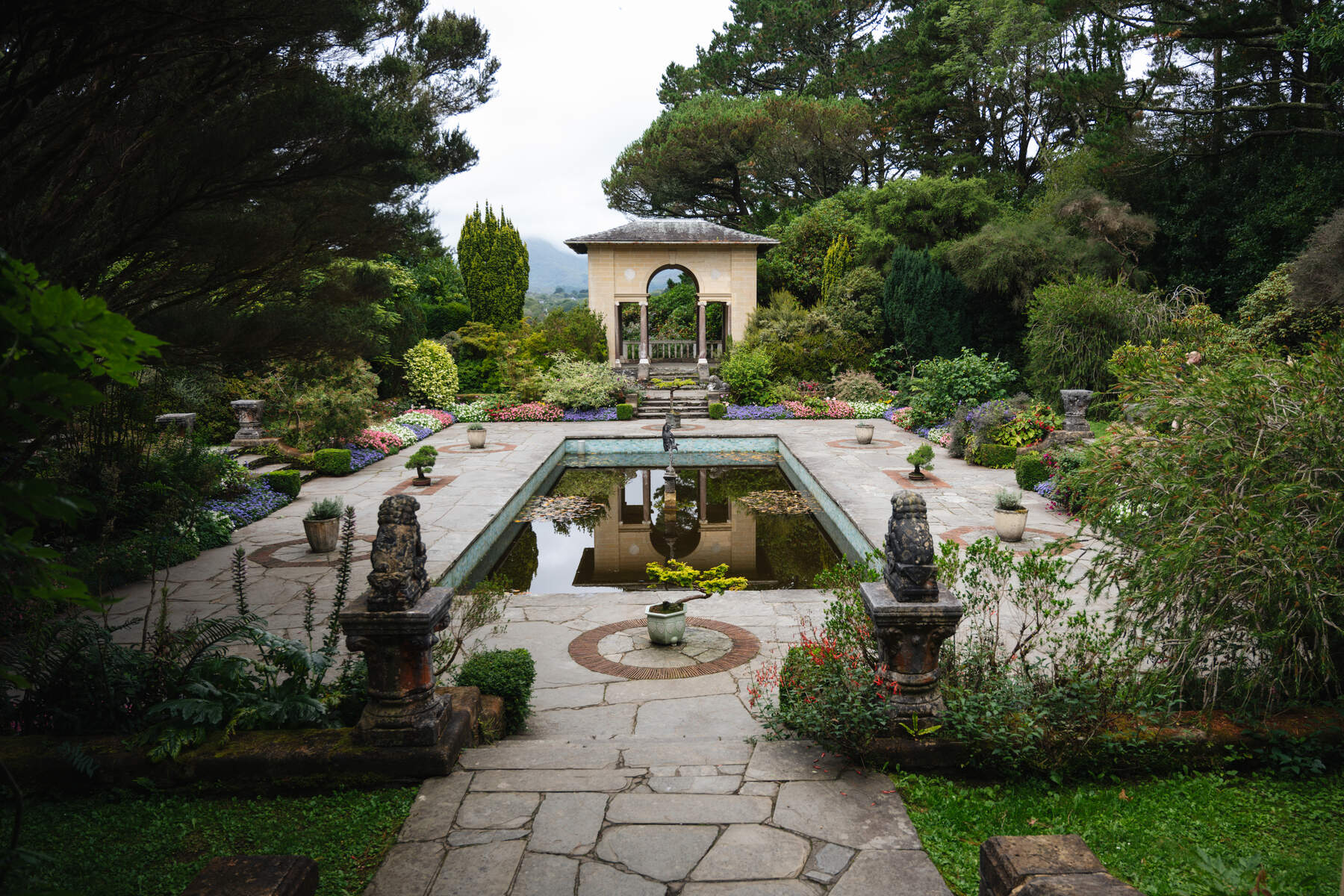
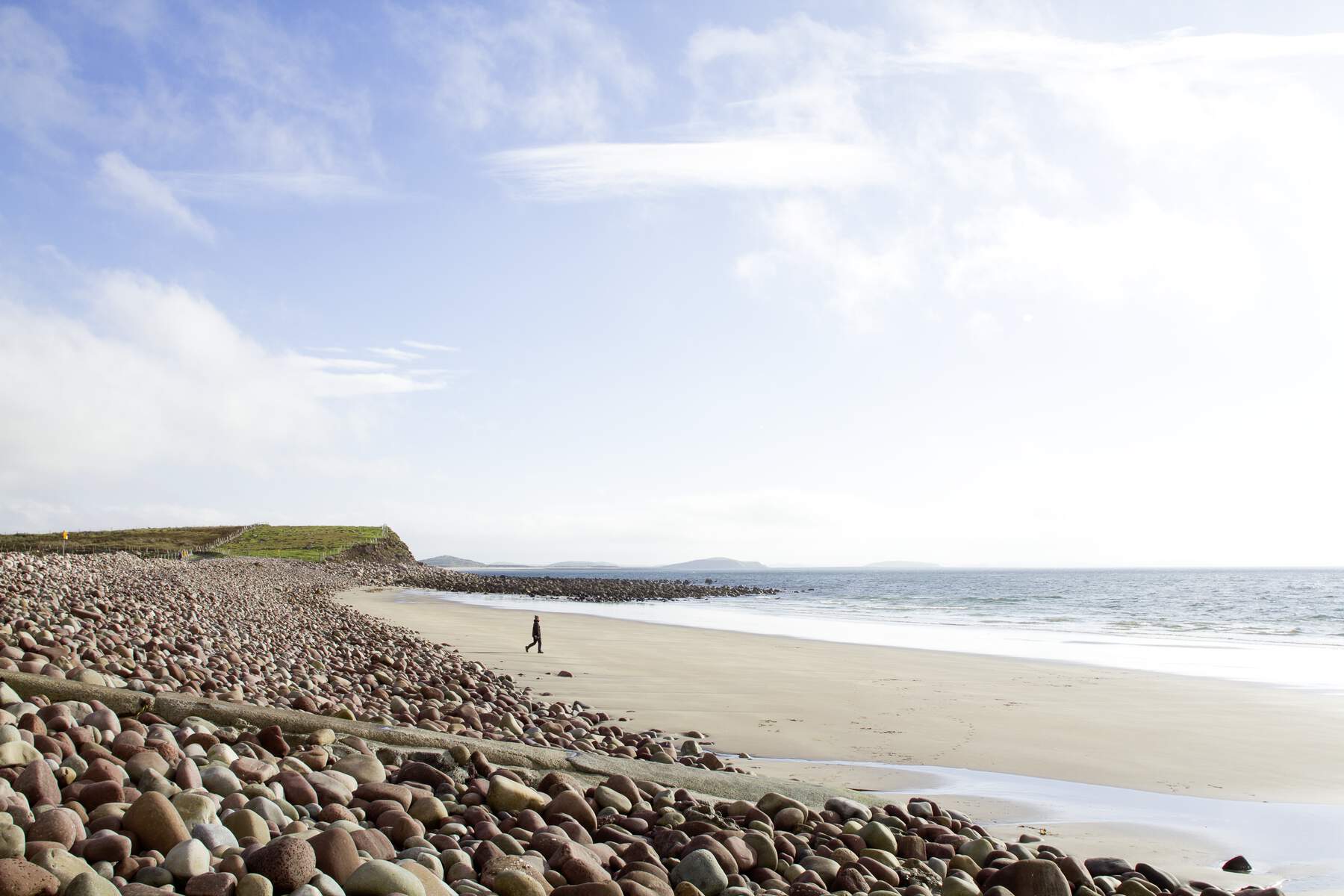
Off the western tip of the Mullet Peninsula, the twin Inishkea Islands – Inishkea North and Inishkea South – lie 3‑5 km out into the Atlantic. Their low‑lying machair, fine white sand and striking silver‑green schist ridges give the impression of a hidden tropical oasis, while the surrounding waters host a bustling colony of Atlantic grey seals, barnacle geese and a host of seabirds. The islands are privately owned but open to visitors via a handful of locally run boat operators from Belmullet. With no permanent residents since the 1930s, the islands are a living museum of abandoned stone cottages, monastic beehive huts and the remnants of a short‑lived Norwegian whaling station on the tidal islet of Rusheen.
The Irish name Inis Cé (sometimes rendered Inis Gé) translates as “Goose Islands”, a reference to the large wintering flock of barnacle geese that visit each year.
Naming & Early History
The islands are also linked to Saint Kea, a 5th‑century missionary believed to have lived here; some sources give the name Inis Kea as an alternative origin. Early‑Christian monasticism flourished from the 6th to the 10th centuries, with beehive cells, carved cross‑slabs and a small church dedicated to St Colmcille on Inishkea North and a comparable stone‑church on the south island. A rare crucifixion scene on a cross‑slab dates to the late 7th century, and the monks ran a purple‑dye workshop using dog‑whelk shells – a craft whose product was once reserved for royalty.
Archaeological evidence shows human activity for at least 5 000 years, from Neolithic burial mounds (the Baileys) to the 19th‑century Gaelic‑speaking fishing village that once housed up to 380 people. The community retained pagan customs such as the Godstone (Naomhóg), a terracotta idol thought to control weather and aid potato growth.
Piracy, Poitín & Purple Dye
In the early 20th century a Norwegian whaling station operated on Rusheen Island (1908‑1922). Local lore adds a colourful chapter: during the 19th century some islanders turned to piracy, intercepting passing vessels in the calm spring seas, and the islands became renowned for producing some of Ireland’s finest poitín, distilled in copper stills hidden in sea‑caves. These stories are recorded in contemporary accounts and give the Inishkeas a reputation for a rugged, self‑sufficient way of life.
Geology & Natural Environment
The islands are composed of ancient gneiss and schist ridges that are roughly 200 million years old and contain abundant mica minerals. From a distance the rock faces catch the light, giving the islands a distinctive silver‑green sheen.
The low‑lying coasts are covered by machair – a fertile, calcareous grassland formed from wind‑blown sand. This habitat supports more than 200 plant species, including:
- Northern Marsh Orchid (Dactylorhiza purpurella)
- Bird’s‑foot Trefoil (Lotus corniculatus)
- White Clover (Trifolium repens)
- Tufted Vetch (Vicia cracca)
- Daisy (Bellis perennis)
- Heather, Devil’s‑bit Scabious and Sheep’s‑Bit on Inishkea South
- The nationally rare petalwort (Petalophyllum ralfsii) on Inishkea North
Wildlife Highlights
Seals
The low‑lying shores host about one‑third of Ireland’s Atlantic grey seal population. From mid‑September to the end of October, females come ashore to give birth; an estimated 150 pups are born each year. In winter the islands can see up to a thousand seals hauled out to moult.
Birds
The islands are an internationally important site for barnacle geese – up to 3,000 winter each year, arriving from Greenland in October and staying until April. The machair also supports a range of waders and seabirds, including:
- Little Tern (rare breeder)
- Puffins (recorded in recent surveys)
- Dunlin, Lapwing, Redshank, Ringed Plover
- Snipe, Oystercatcher, Peregrine Falcon, Raven
- Black‑guillemot, Great Black‑backed Gull, Herring Gull, Fulmar
- Meadow Pipit, Skylark
- Winter visitors such as Golden Plover, Sanderling, Purple Sandpiper and Turnstone
Marine Life
Offshore, dolphins, harbour porpoises, whales and basking sharks are regularly sighted, especially in the autumn months when the islands are surrounded by feeding grounds.
What to See & Do
| Feature | Highlights |
|---|---|
| Beaches | Powder‑white sands stretch along both islands; ideal for picnics, swimming, kayaking, snorkelling and stand‑up‑paddling. |
| Wildlife | Grey seals, barnacle geese, peregrine falcons, little tern, puffins, lapwing and, in summer, dolphins, porpoises and occasional whales. |
| Historical Sites | • Stone cottages (late 1800s) on North & South • King’s House, old two‑storey shop and school ruins on South • St Colmcille’s Church (7th‑century) on North • Whaling station remains on Rusheen Island • Bailey Mór, Bailey Beag and Bailey Dóighte burial mounds with beehive huts and cross‑slabs, including the crucifixion slab |
| Monastic Remains | Beehive huts, cross‑slabs and the rare petalwort Petalophyllum ralfsii on Inishkea North showcase early‑Christian heritage. |
| Scenic Walks | • Alt Mór hill on South – panoramic views of the surrounding islands and mainland. • Bailey Mór mound on North – sweeping vistas of the Atlantic and the Erris coastline. |
| Sea Safaris | Small‑group RIB tours combine a 35‑minute crossing with on‑island exploration, wildlife spotting and optional swimming stops. |
| Birdwatching | The machair supports over 200 plant species and provides nesting ground for rare birds such as Little Tern and Little Gull. |
Guided walks led by island descendants bring the lost village to life, pointing out the school, dye workshop, beehive huts and sharing stories of St Kea and St Colmcille.
Visitor Information – Boat Operators & Contacts
| Operator | Departure Point | Website | Phone |
|---|---|---|---|
| Belmullet Boat Charters (Inishkea Island Tours & Sea Safaris) | Belmullet Harbour | https://belmulletboatcharters.com/ | 086 836 5983 |
| Blacksod Sea Safari | Blacksod Pier (near Belmullet) | https://www.blacksodseasafari.ie/service/the-inishkea-islands-experience/ | 083 026 3100 |
| Geraghty Charters | Belmullet Harbour | https://www.geraghtycharters.com/ | 097 857 41 (mobile 086 269 5851) |
Summer (May‑September) services run several times daily; winter sailings are limited and should be booked in advance.
Practical Tips
- Parking: Free parking is available at the harbour quay.
- Facilities: No shops, toilets or accommodation on the islands – bring water, food and a packed lunch.
- Waste: All litter must be taken back to the mainland.
- Clothing: The Atlantic can be changeable; bring warm layers and waterproofs.
- Swimming: Safest in sheltered bays and under guide supervision.
- Terrain: Uneven with steep sections (Alt Mór, Bailey Mór); suitable for reasonably fit walkers. No wheelchair access.
- Camping: Banned since 2023 to protect fragile habitats.
- Accessibility: No paved paths; visitors with limited mobility may find the islands challenging.
Nearby Visitor Centre
For further interpretation of the islands’ natural and cultural heritage, stop at the Ionad Deirbhile Heritage Centre in Eachleim (≈ 15 km inland). Entry is €3 pp.
Events & Conservation
- Annual Beach Clean – organised each summer by Belmullet Boat Charters to protect the islands’ pristine habitats.
- Guided Heritage Tours – run by descendants of former island families; these tours combine history, folklore (including the story of the “Godstone”) and natural‑history interpretation.
- Virtual Tour – a 360° online experience is available on the islands’ own website for those unable to travel.
Visiting the Islands
Getting There
- Boat operators (summer season): Belmullet Boat Charters, Blacksod Sea Safari, Geraghty Charters.
- Departures are from Belmullet Harbour (and occasionally Blacksod Pier). During the peak season (May‑September) there are several daily sailings; winter services are limited and should be booked in advance.
- Parking: Free parking is available at the harbour quay. A short, well‑signposted walk leads to the launch point.
- Part‑time residents: Three people live on the islands year‑round; numbers rise to around fifteen in summer.
Practical Tips (summary)
- Bring water, food, warm clothing and sturdy walking shoes – there are no shops, toilets or accommodation on the islands.
- All waste must be taken back to the mainland.
- The Atlantic can be changeable; check the weather forecast before departure.
- Swimming is safest in sheltered bays and under the supervision of a guide.
- The terrain is uneven with steep sections (Alt Mór, Bailey Mór); the islands are best suited to reasonably fit walkers. Wheelchair access is not available.
- Best time to visit: Late spring to early autumn for seal pups and bird breeding; October‑April for the barnacle goose flock.
Practical Information
- How to get there: Boats depart from Belmullet (Mullet Harbour) several times daily in the summer months. Private operators such as Mullet Sea Safaris and Inishkea Island Tours run 30‑minute crossings; advance booking is recommended, especially on weekends.
- Opening: The islands are open year‑round, but the majority of tours operate from May to September when weather is most favourable and wildlife is most active.
- Facilities: No shops, toilets or accommodation on the islands. Visitors should bring water, food, warm clothing and sturdy walking shoes. All waste must be taken back to the mainland.
- Safety: The Atlantic can be changeable; check weather forecasts before departure. Swimming is safest in sheltered bays and under the supervision of a guide.
- Accessibility: The terrain is uneven and includes steep sections (Alt Mór, Bailey Mór); the islands are best suited to reasonably fit walkers.
- Best time to visit: Late spring to early autumn offers the richest birdlife, warm sea temperatures for swimming, and the highest likelihood of spotting seals and dolphins.
- Local etiquette: Respect the private ownership of the islands, stay on marked paths, and avoid disturbing nesting birds or seal haul‑outs.
The Inishkea Islands provide a rare combination of pristine natural beauty, abundant wildlife and a palpable sense of history – a true highlight of County Mayo waiting to be explored.