
Overview
River Gráinne is a quiet watercourse that threads its way through the dramatic Gleniff Horseshoe in north‑west County Sligo. Though the river itself is modest in size, it forms part of a landscape that has inspired centuries of Irish folklore, most famously the tale of Diarmuid and Gráinne. The surrounding hills, limestone cliffs and the extensive Caves of Kesh create a remote, atmospheric setting that feels far removed from the bustle of modern life.
Background
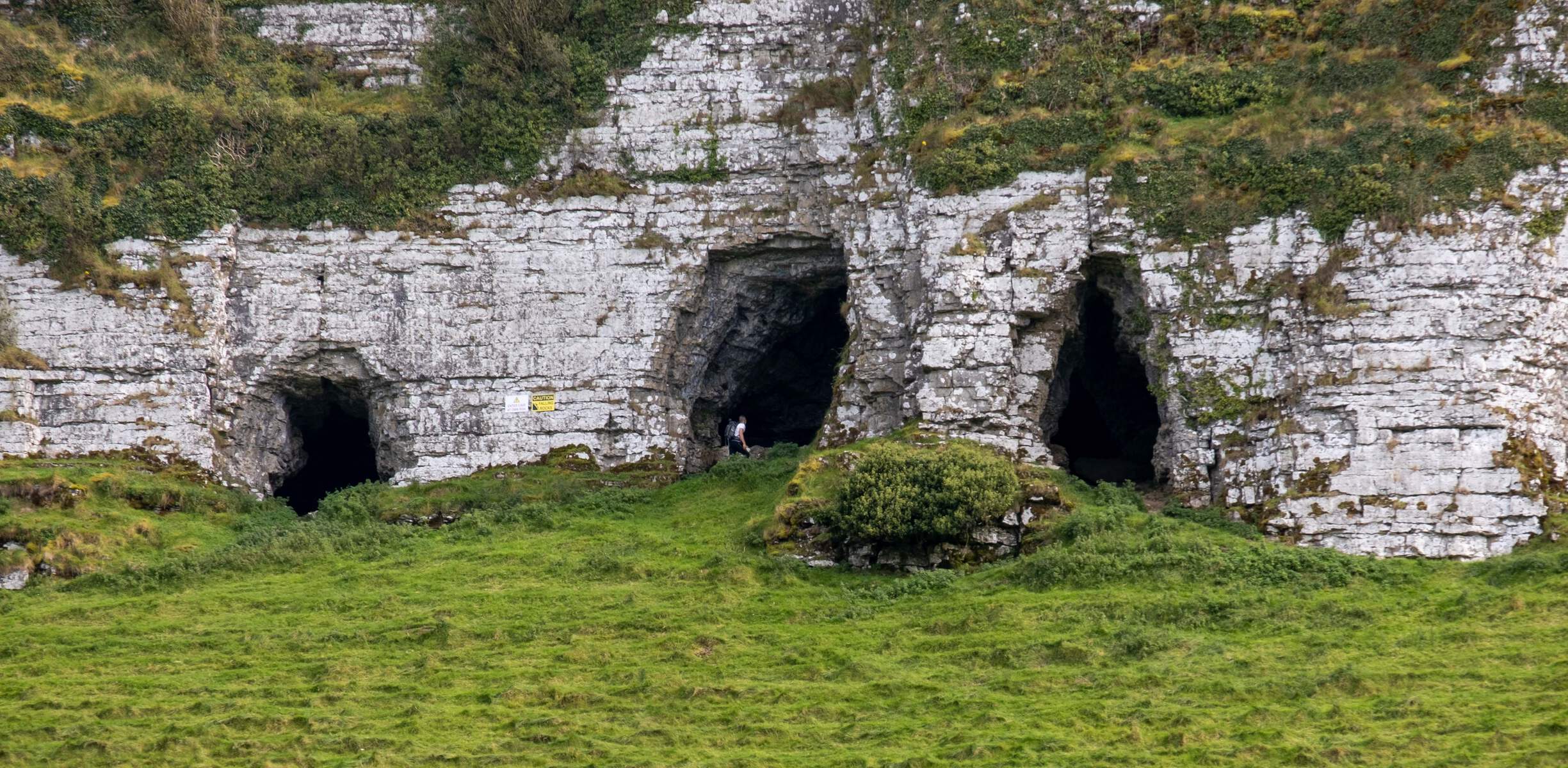
The name Gráinne is inseparable from one of Ireland’s most beloved legends. According to the myth, Gráinne, the beautiful daughter of the High King Conor Mac Airt, was betrothed to the great warrior Fionn Mac Cool. On the night before her wedding she fled with Diarmuid, one of Fionn’s most trusted warriors, sparking a legendary chase across the Irish countryside. The story culminates in the rugged terrain of the Gleniff Horseshoe, where the pair sought refuge in a natural cavern now known as Diarmuid and Gráinne’s cave. The river that runs nearby is traditionally linked to the couple’s flight, its gentle flow echoing the whispered secrets of their escape.
What to See & Do
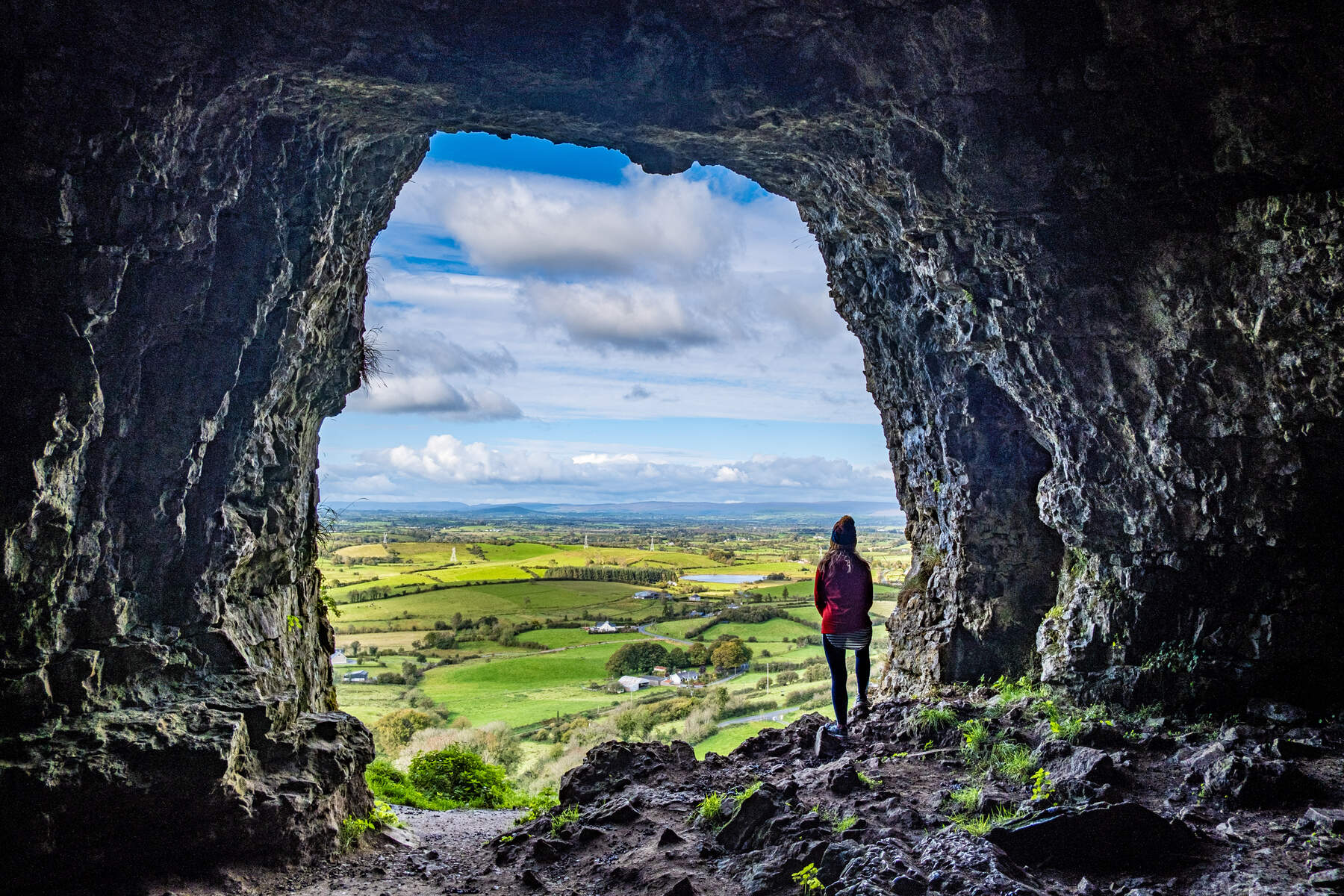
- Diarmuid and Gráinne’s Cave – Tucked behind the Gleniff Horseshoe, the cave forms part of the larger Caves of Kesh system, reputed to be the largest cave network in Ireland. The entrance is easily reached by a short walk from the old schoolhouse that once served the local community. Inside, the limestone walls reveal ancient stalactites and a sense of timelessness that brings the myth to life.
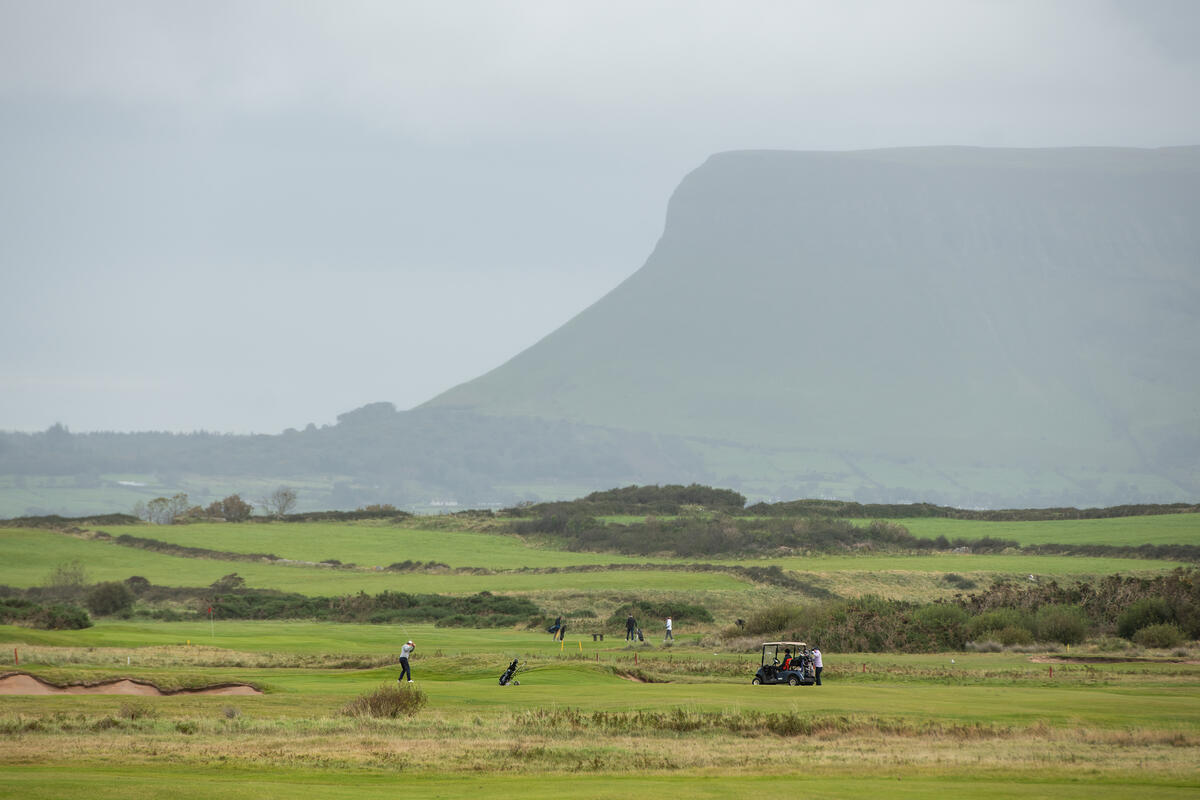
- Gleniff Horseshoe – The horseshoe‑shaped valley offers sweeping views of the surrounding mountains and the Atlantic coastline. The landscape is a favourite among hikers, photographers, and anyone seeking a taste of Ireland’s wild west.
- Lissadell House – A 20‑minute drive from the river brings you to this historic estate, celebrated for its connections to poet W.B. Yeats and revolutionary Countess Constance Markievicz. The house opens from June to August, Wednesday through Sunday, and offers guided tours that explore its Greek‑Revival architecture and beautiful gardens.
- Classiebawn Castle – Visible from many points along the horseshoe, this private castle adds a dramatic silhouette to the horizon. While the interior is not open to the public, the exterior can be admired from designated viewpoints.
- Cultural Walks – The area is dotted with ancient stone circles, ogham stones, and remnants of early Christian settlements. Walking the trails provides opportunities to spot these subtle historic markers.
Walking & Cycling
The Gleniff Horseshoe loop is a well‑marked trail that follows the riverbank, climbs gently onto the surrounding slopes and returns via the same path, making a satisfying round‑trip of roughly 7 km. Most of the route is on compacted limestone paths; a few sections are uneven, so sturdy walking shoes are advisable. The walk is suitable for families with older children and for reasonably fit walkers; it is not wheelchair‑accessible.
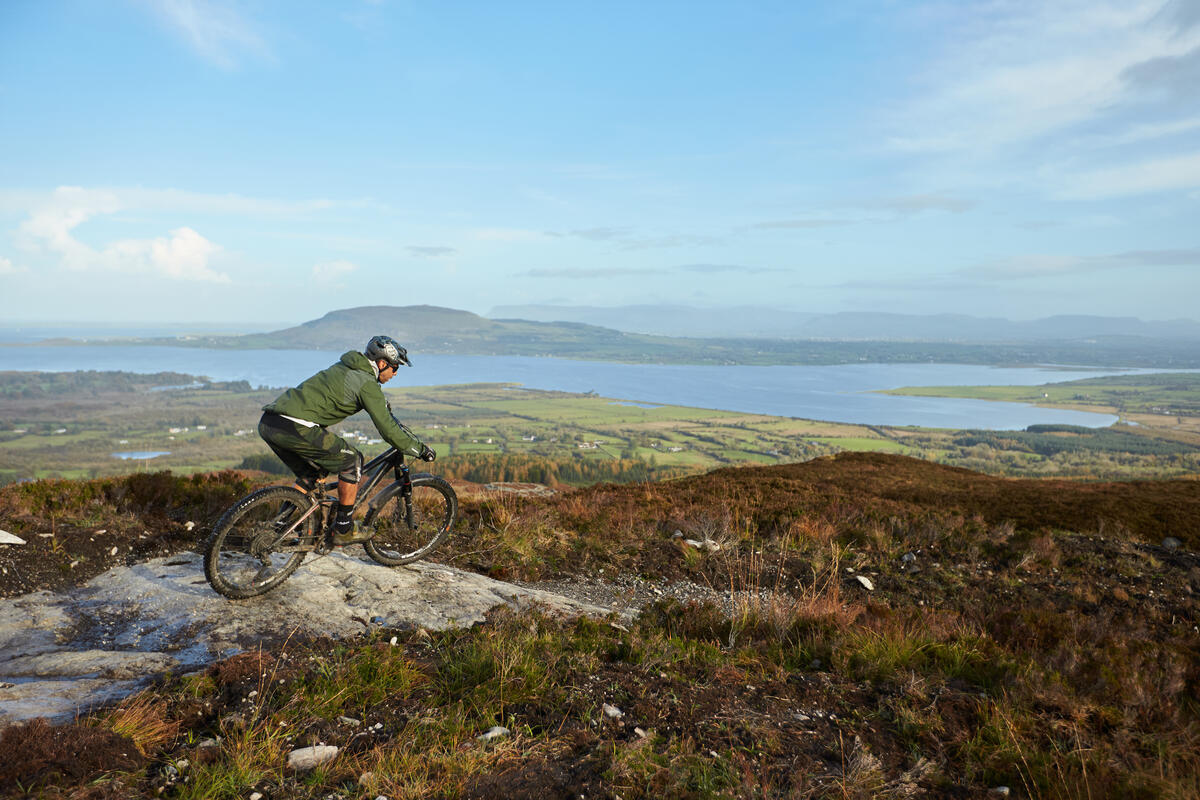
Cyclists favour the quiet country roads that skirt the valley. The roads are narrow and may be shared with livestock, so a sturdy hybrid or mountain bike and a cautious riding style are recommended. The route offers spectacular views and frequent opportunities to stop for photos.
Practical Information
River Gráinne and its surrounding attractions are best accessed by car. From Sligo town, follow the N15 north to the turn‑off for the Gleniff Horseshoe near the village of Cliffoney. Signage leads to a modest car park at the base of the horseshoe; parking is free and operates on a first‑come, first‑served basis. The site is open year‑round, and there is no admission fee for the river, the cave, or the surrounding walks.
The walk to Diarmuid and Gráinne’s cave is well‑marked and suitable for most fitness levels, though some sections involve uneven limestone ground. The path is not wheelchair‑accessible, but sturdy walking shoes are recommended. During the summer months, the area can become busier, especially when guided tours to the Caves of Kesh are scheduled. It is advisable to check the latest tour availability on the local tourism websites before planning a visit.
Public transport options are limited; the nearest bus stop is in Sligo town, from where a taxi or a hired car is the most convenient way to reach the river. For cyclists, the quiet country roads provide a scenic, low‑traffic route, though riders should be prepared for narrow passages and occasional livestock.
Nearby Amenities
While the immediate vicinity of River Gráinne is largely undeveloped, the village of Cliffoney offers a small selection of cafés and a local shop where visitors can purchase snacks and bottled water. For a more extensive range of services, the town of Sligo, located about 30 km to the south, provides restaurants, accommodation, and visitor information centres.
Nearby Attractions
- Benbulben – The iconic tabletop mountain dominates the skyline and offers several walking routes.
- Ballymote Castle – A well‑preserved medieval fortress a short drive from the Gleniff area.
- Carrowkeel Megalithic Complex – A cluster of ancient passage tombs set in the surrounding hills.
- Caves of Kesh – The larger cave system of which Diarmuid and Gráinne’s cave is a part.
Seasonal Highlights
- Spring – The valley bursts into colour with wildflowers and the river’s flow is at its peak after the winter rains.
- Summer – Longer daylight hours make it possible to explore the caves and the surrounding hills in comfort. Guided tours to the Caves of Kesh operate most frequently during this period.
- Autumn – The surrounding woodlands turn golden, offering spectacular photo opportunities along the riverbank.
- Winter – While the weather can be brisk, the river’s gentle sound against the stone creates a peaceful atmosphere for contemplative walks.
River Gráinne may not be as famous as the Liffey or the Shannon, but its connection to one of Ireland’s most enduring love stories, combined with the raw beauty of the Gleniff Horseshoe, makes it a compelling destination for travellers seeking myth, history, and unspoiled scenery in equal measure.