
Overview
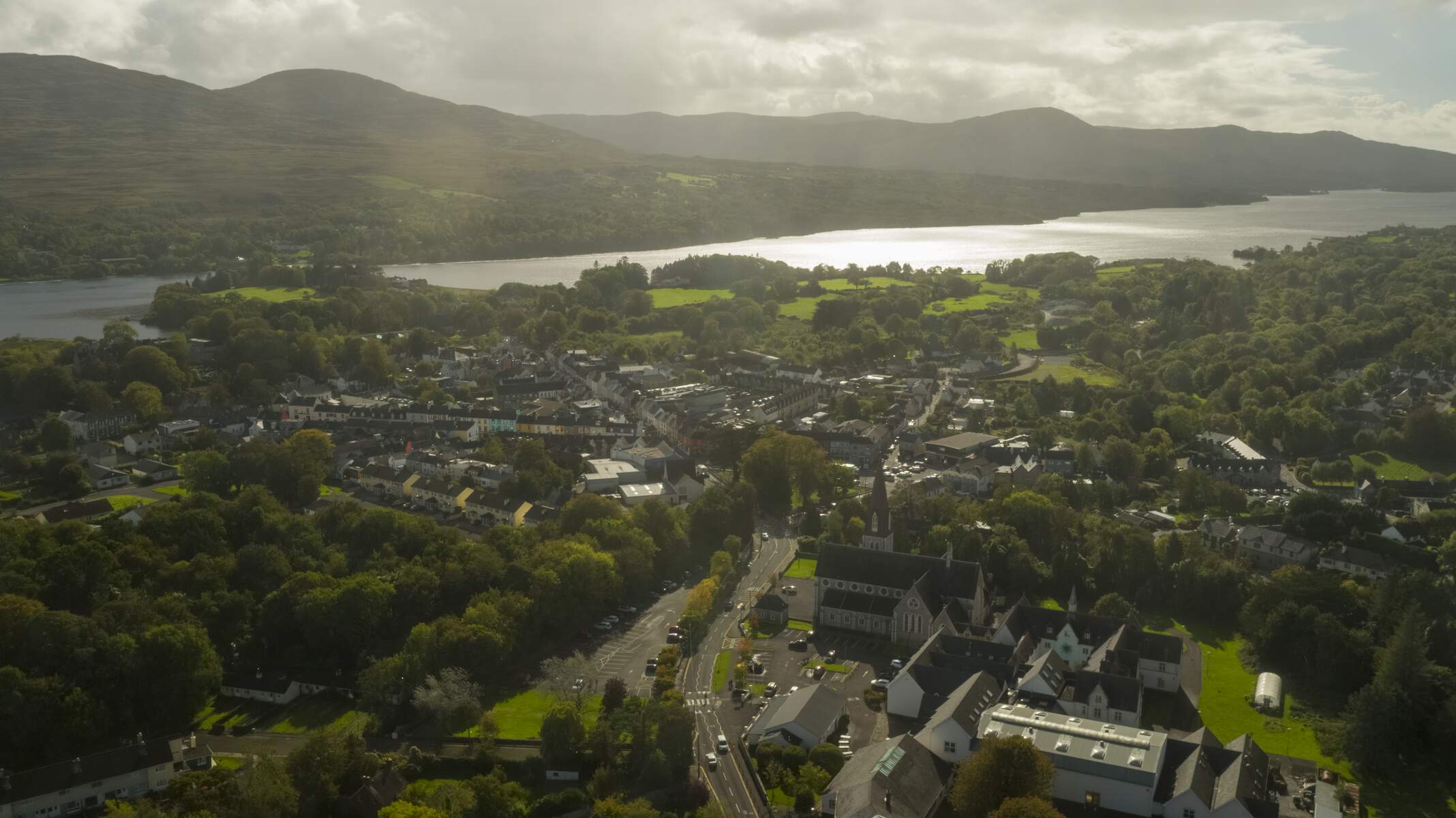
Rossdohan House sits on Rossdohan Island (Oileán Ros Dochan), a 132‑acre private estate just off the coast of Sneem in County Kerry. The island is linked to the mainland by a 19th‑century arched stone bridge, giving a short walk from the Rossdohan Walk on the Kerry Way. Today the island is a living museum of exotic trees – New Zealand gum, giant sequoia, eucalyptus, palms and rare silver‑tree ferns – set against the backdrop of Kenmare Bay and the Caha Mountains. The ruins of the original 1875 mansion and a later 20th‑century house dominate the eastern shoreline, their open windows still gazing out over the water.
History
| Year | Event |
|---|---|
| 1874 | Dr Samuel Thomas Heard, an Anglo‑Irish surgeon returning from India, purchases Rossdohan Island. |
| 1875 | A mansion is erected for Heard, designed by English architect John P. Seddon – the only building Seddon ever constructed in Ireland. |
| 1906 | The estate is valued at £27; Heard’s wife, Kate Bradley, sources exotic saplings from Australia, New Zealand, Africa and South America, creating a subtropical garden reminiscent of William Robinson’s English landscapes. |
| 1922 | During the Irish Civil War the house is set alight by the IRA and reduced to a shell. |
| 1950s | A later house, built on the same site, also succumbs to fire, leaving the hulking ruin that visitors see today. |
| 2021‑2024 | The Parknasilla Estate acquires the island and announces plans to restore the historic gardens. |
The original house was celebrated for its richly coloured woodwork and medieval‑inspired decorative panels. John P. Seddon himself described the interior in an 1881 article, noting a stained‑glass veranda that wrapped the front of the building, a marble‑faced fireplace with tiled mosaic hearth, and a coved boarded ceiling that rose two storeys high. The drawing‑room featured painted panels of varied, richly coloured woods, intricate carved arches and a wide marble fender. Seddon’s design combined Gothic principles with an exotic colour palette, intended to be painted in vivid hues that would have heightened the oriental ambience of the space.
After the 1922 conflagration, the family fled in a dramatic rescue by a passing British destroyer – a story recounted in Peter Somerville Large’s memoir An Irish Childhood.
Recent Ownership and Conservation
From 2021 the island has been owned by the Parknasilla Estate, a family‑run hospitality business based nearby. The new owners have publicly stated their intention to restore the historic gardens and, where possible, improve visitor access. While the house itself remains a ruin, the estate plans to stabilise the remaining stonework and to re‑plant lost specimens in the arboretum. Updates on the progress are posted on the Parknasilla Estate’s website and social media channels, so prospective visitors should check there before planning a trip.
Visitor Experiences
Recent accounts from walkers confirm that the island is still privately owned and that public access is limited to the Rossdohan Walk and occasional guided tours. Local guide Seamus Galvin regularly leads small groups from the Rossdohan Pier, offering insight into the garden’s exotic plantings and the house’s architectural details. Visitors are asked to arrange permission in advance through the Parknasilla Hotel; the guide’s contact details are normally supplied on request. A 2018 travel diary notes that the estate’s German owner rarely visits the island, and that the son of the previous owners lives in a modest bothy on the grounds, helping with occasional labeling of plant specimens.
Architectural Details
Although only the stone shell remains, several architectural features can still be discerned:
- Stained‑glass veranda – a nine‑foot‑wide glazed porch that once stretched the length of the façade, its coloured glass catching the sunrise over the bay.
- Marble fireplace – set in a wide recess, lined with tiles and bordered by rose‑coloured marble, complete with a marble fender and mosaic hearth.
- Coved boarded ceiling – the original drawing‑room ceiling rose to a lofty height, richly panelled and painted.
- Decorative woodwork – medieval‑style arches and panels crafted from a palette of coloured woods, originally intended to be painted in bright tones.
- Verandah arches – the broken arches that survive today hint at the original grandeur of the house’s front elevation.
These details give a sense of the eclectic vision that John P. Seddon brought to Ireland – a blend of Gothic structure, oriental colour, and a love of craftsmanship.
Garden Plant Highlights
The island’s garden is a botanist’s playground, with many species introduced by Kate Bradley in the early 20th century and still thriving today. Visitors frequently note the following highlights (many recorded by plant‑enthusiasts on the island):
- Pittosporum bicolor – striking pink‑white flowers in late spring.
- Myrica californica – a rare evergreen shrub with glossy foliage.
- Picea parviflora – dwarf spruce, still bearing cones despite limited seed set.
- Rhododendron sinogrande – arguably the best specimen on the Kerry coast, blooming profusely in summer.
- Acacia melanoxylon – a hardy Australian wattle that has formed a dense, suckering stand.
- Abies alba – European silver fir, adding a coniferous layer to the canopy.
- Olearia argyrophylla and Olearia arborescens – silver‑leaf shrubs that colour the understory.
- Cyathea dealbata and the record‑size Cyathea medullaris – tree ferns reaching up to 30 ft, a UK/Ireland record.
- Eucalyptus globulus – towering eucalypts that dominate the wind‑exposed sections.
- Drimys winteri – a southern‑hemisphere evergreen, now showing signs of Phytophthora ramorum infection.
- Fuchsia exorticatica, Pseudopanax ferox, Cephalotaxus harringtonia, Pinus montezumae, Pinus contorta, Nothofagus cunninghamii, Halocarpus bidwillii, and a host of other exotic conifers and broad‑leaved trees.
Scattered among the giants are camellias, rhododendrons, flax, and a carpet of purple loosestrife that blooms in summer. A hidden pond, overgrown with lily pads, offers a tranquil spot for quiet contemplation.
Wildlife
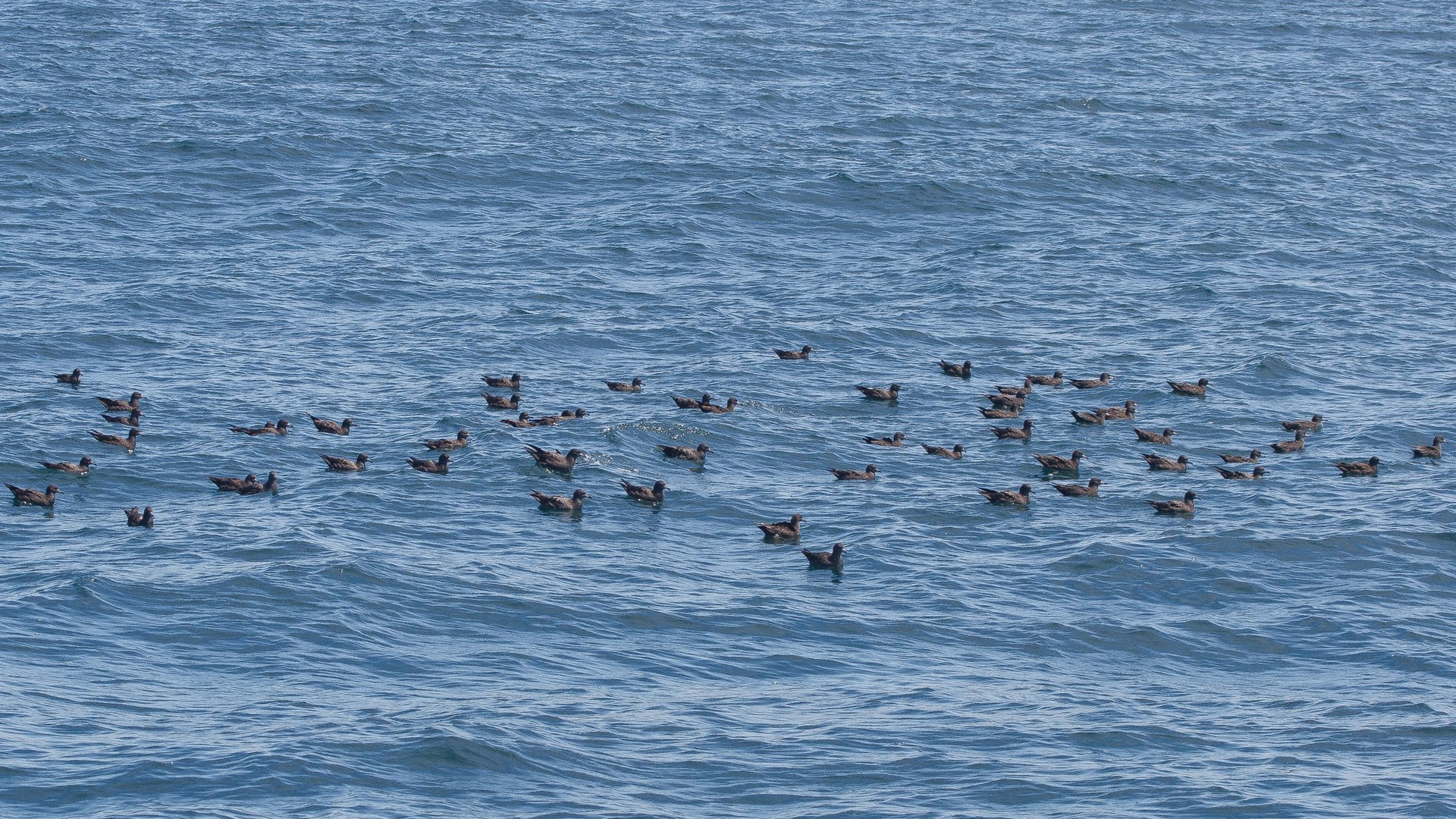
The humid micro‑climate supports a unique insect fauna, including a mosquito species first recorded on the island. Birdwatchers may spot swans gliding on the inlet near Rossdohan Pier, and the surrounding waters are frequented by small boats, occasional seals and shearwaters (see image below). The island’s woodland provides roosting sites for gulls and occasional visits from otters.
Walking Routes
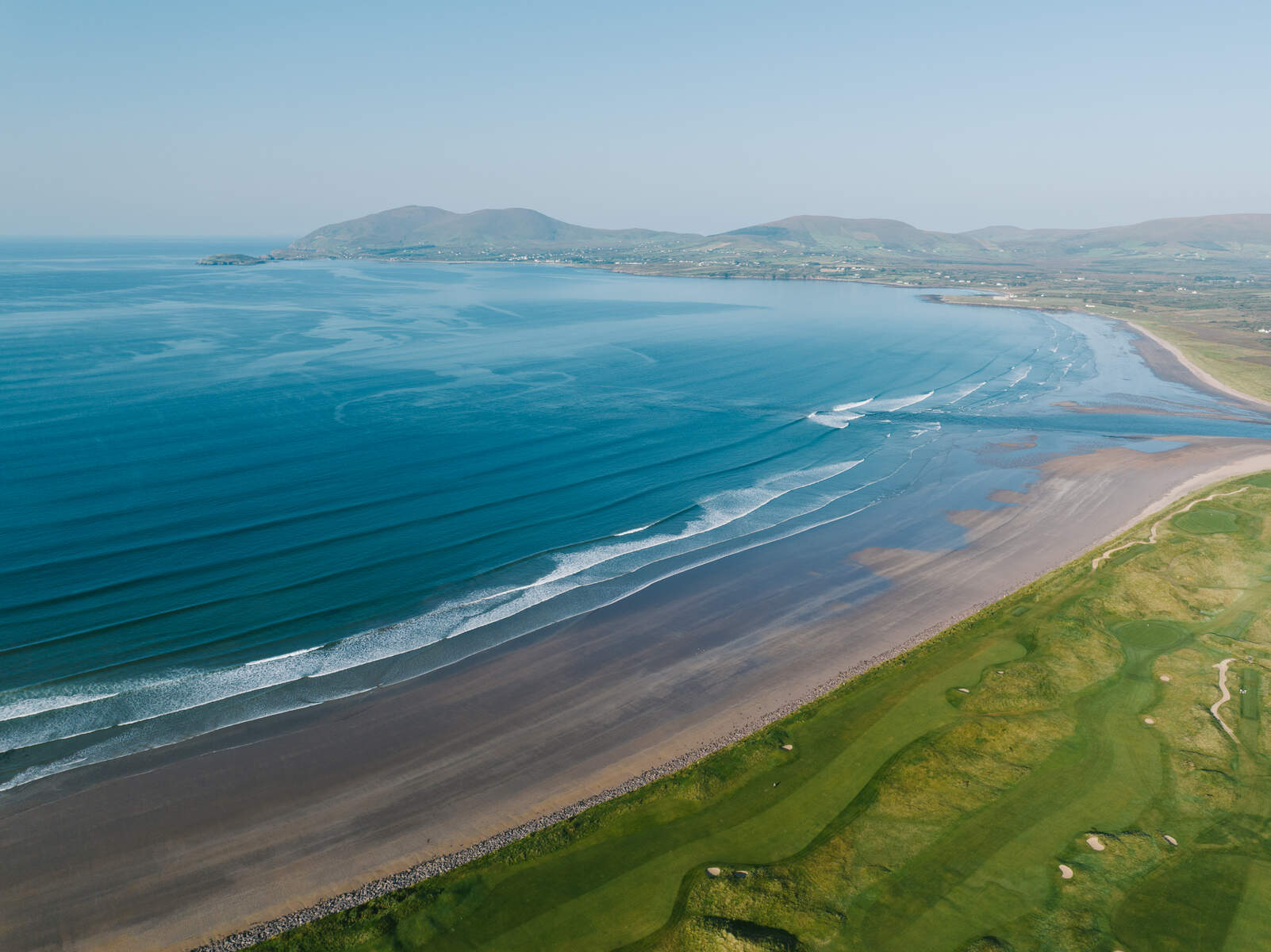
The Rossdohan Walk, part of the Kerry Way, begins at the N70 Ring of Kerry near Kenmare. After a short drive, walkers follow a quiet by‑road to Rossdohan Pier (a popular picnic spot) and can continue onto the island via the stone bridge. The route includes boardwalks over wet ground, ladder stiles and a timber walkway that leads past the ruin, through woodland, and along the shoreline. The entire walk is roughly 7 km (round‑trip) and takes about two hours, offering panoramic views of the Caha Mountains, Tooth Mountain and Hungry Hill on clear days. The path is uneven and not wheelchair‑accessible; sturdy footwear is advisable and visitors should be aware of grazing cattle in the garden.
Practical Information
Access – Rossdohan Island remains privately owned by the Parknasilla Estate. The public can view the island from the Rossdohan Walk and from boat trips that operate out of Sneem and Kenmare. To set foot on the island, visitors should arrange permission through the Parknasilla Hotel, which occasionally organises guided tours led by local guide Seamus Galvin. Advance booking is recommended, especially in the summer months.
Getting there – From the N70, turn onto the L4048 sign‑posted Rossdohan (approximately 3 km from the Kenmare‑Sneem junction). Parking is limited to a small roadside verge at the trailhead; arriving early in the day secures a space. The stone bridge provides a short, level crossing onto the island, but the bridge can be slippery when wet.
Facilities – No visitor facilities exist on the island itself. The nearest toilets and café are in Sneem, a short drive away. The walk is unpaved in sections; bring water, a map and be prepared for occasional cattle.
Seasonality – Exotic plantings are at their most spectacular in late spring and summer when ferns unfurl and lilies bloom. Autumn brings colourful foliage on the native oaks and birches that fringe the path. Early mornings give the best light for photographing the ruin and the sunrise over the bay.
Safety & Accessibility – Boardwalks can be slippery after rain; ladder stiles are steep. The route is not suitable for wheelchairs or pushchairs. Keep an eye on livestock and stay on marked paths.
Nearby island attractions – A short boat ride northwards brings you to Ahamore Abbey, another historic island site worth a glimpse.
Future plans – The new owners intend to restore the historic gardens, potentially reopening more of the estate to the public in the coming years. Keep an eye on the Parknasilla Estate website for updates.
Visiting Highlights
- Architectural curiosity – the only surviving work of John P. Seddon in Ireland, with a stained‑glass veranda and marble fireplace.
- Botanical wonder – a living collection of exotic trees and rare shrubs that rival a tropical arboretum.
- Scenic vistas – sweeping views of Kenmare Bay, the Caha Mountains and the Beara Peninsula.
- Historical intrigue – a mansion that survived colonial ambition, civil‑war fire and the passage of time.