
Overview
The Three Sisters (Irish: An Triúr Deirféar) comprise the River Barrow, the River Nore and the River Suir. Together they drain a catchment of over 9,200 km² across the south‑eastern half of the island, shaping the landscape of Counties Tipperary, Carlow, Kilkenny, Waterford, Wexford, Laois and Kildare. The Barrow, at 192 km, is the longest of the trio and the second‑longest river in Ireland after the Shannon. The Nore runs 140 km, rising on the Devil’s Bit Mountain, while the Suir stretches 185 km from the same mountain range. Their waters converge near Cheekpoint, forming the Waterford Harbour estuary that empties into the Celtic Sea.
History & Heritage
These waterways have been the lifeblood of the region for millennia. In early medieval times the Barrow marked the frontier between the kingdom of Laigin on the east bank and Osraige on the west, a division echoed in the 17th‑century proverb “whoso lives west of the Barrow, lives west of the law”. The name Barrow derives from the Proto‑Celtic boru (“boil, brew”), linking it to the Celtic spring‑god Borvo. Local legend tells of the healer Dian Cecht hurling three serpents into the river, causing it to boil – a myth that underscores the river’s deep roots in Irish folklore.
The three rivers also gave their name to the historic Kingdom of Ossory, whose boundaries were defined by the Suir and Barrow. Today the legacy lives on in the dioceses of both the Roman Catholic Church and the Church of Ireland.
What to See & Do
Inland Navigation & Locks
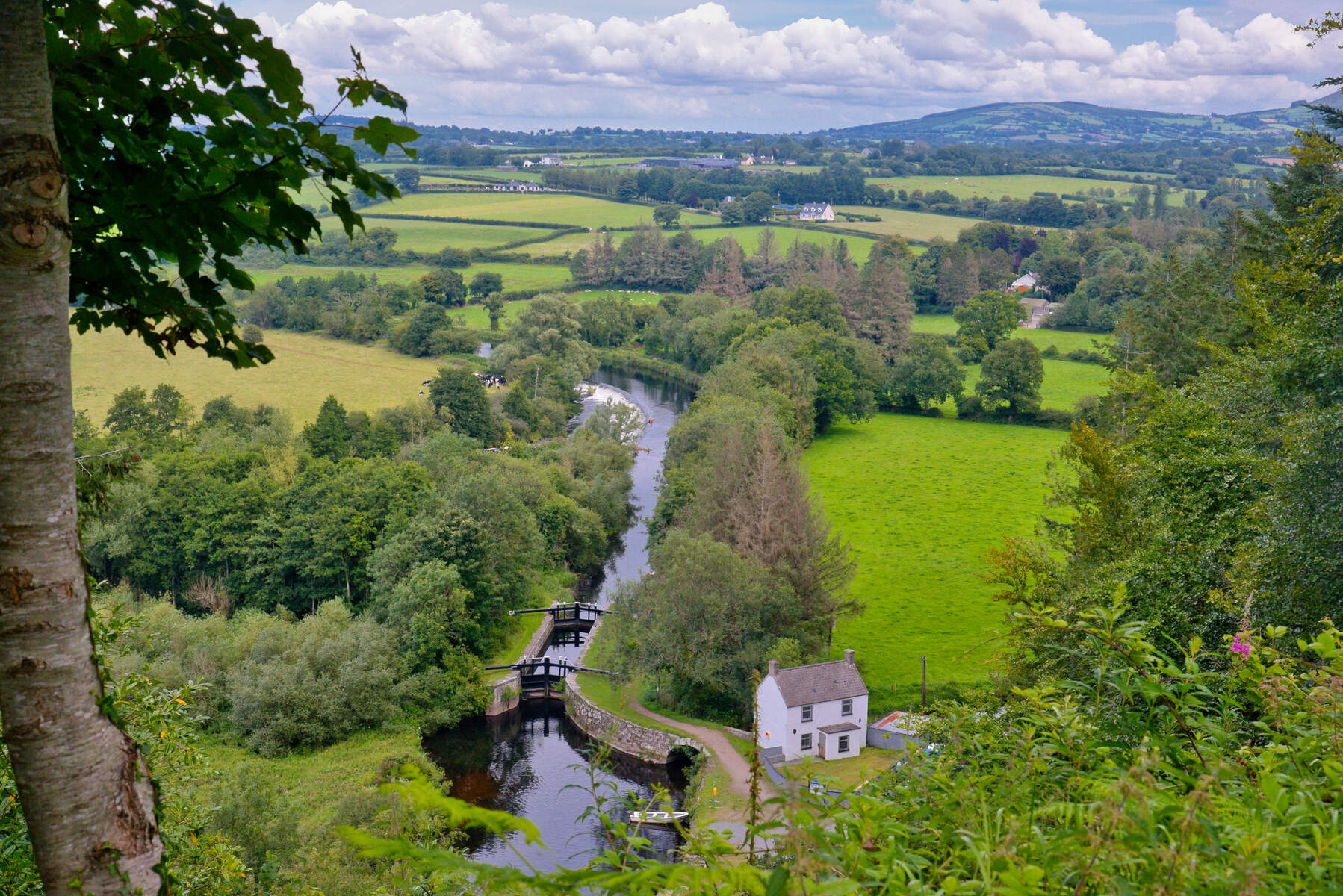
The Barrow is a cornerstone of Ireland’s inland‑waterway network. Its tidal stretch (88 km) merges with the Suir and Nore, while the non‑tidal section features 23 Victorian locks that guide pleasure craft from the tidal limit at St Mullin’s inland to Athy. A favourite stop is Clashganny Lock near Carlow, where visitors can watch the dramatic rise of water behind a massive wooden gate before navigating the ensuing rapids.
Canoeing & Kayaking
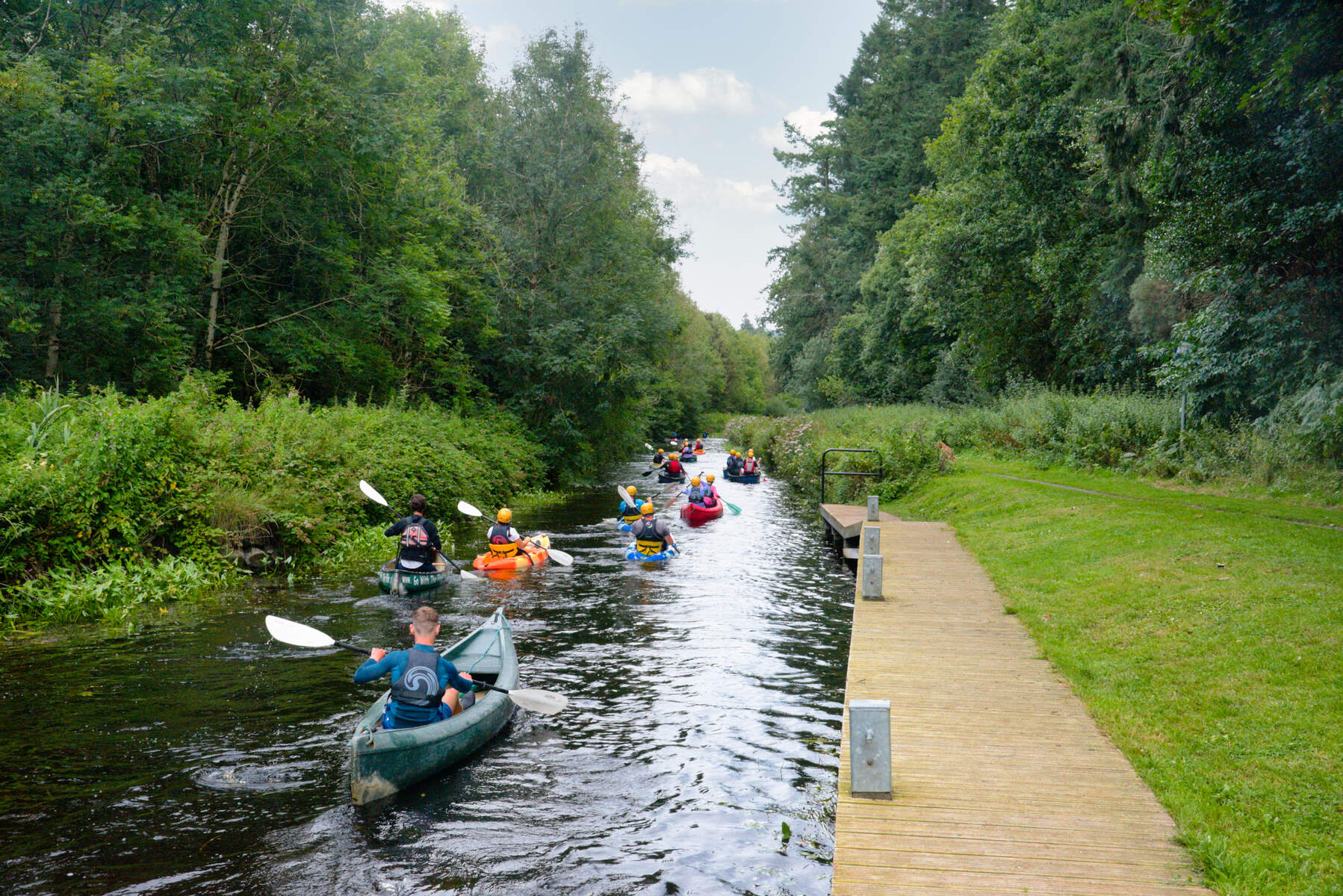
Guided canoe trips are offered by Go with the Flow River Adventures and Discover Ireland – Carlow. Their programmes include a lock‑waiting experience at Clashganny, a gentle paddle past historic tow‑paths, and a more adventurous run over the weir. Beginners are welcome; equipment and instruction are provided.
Walking the Barrow Way
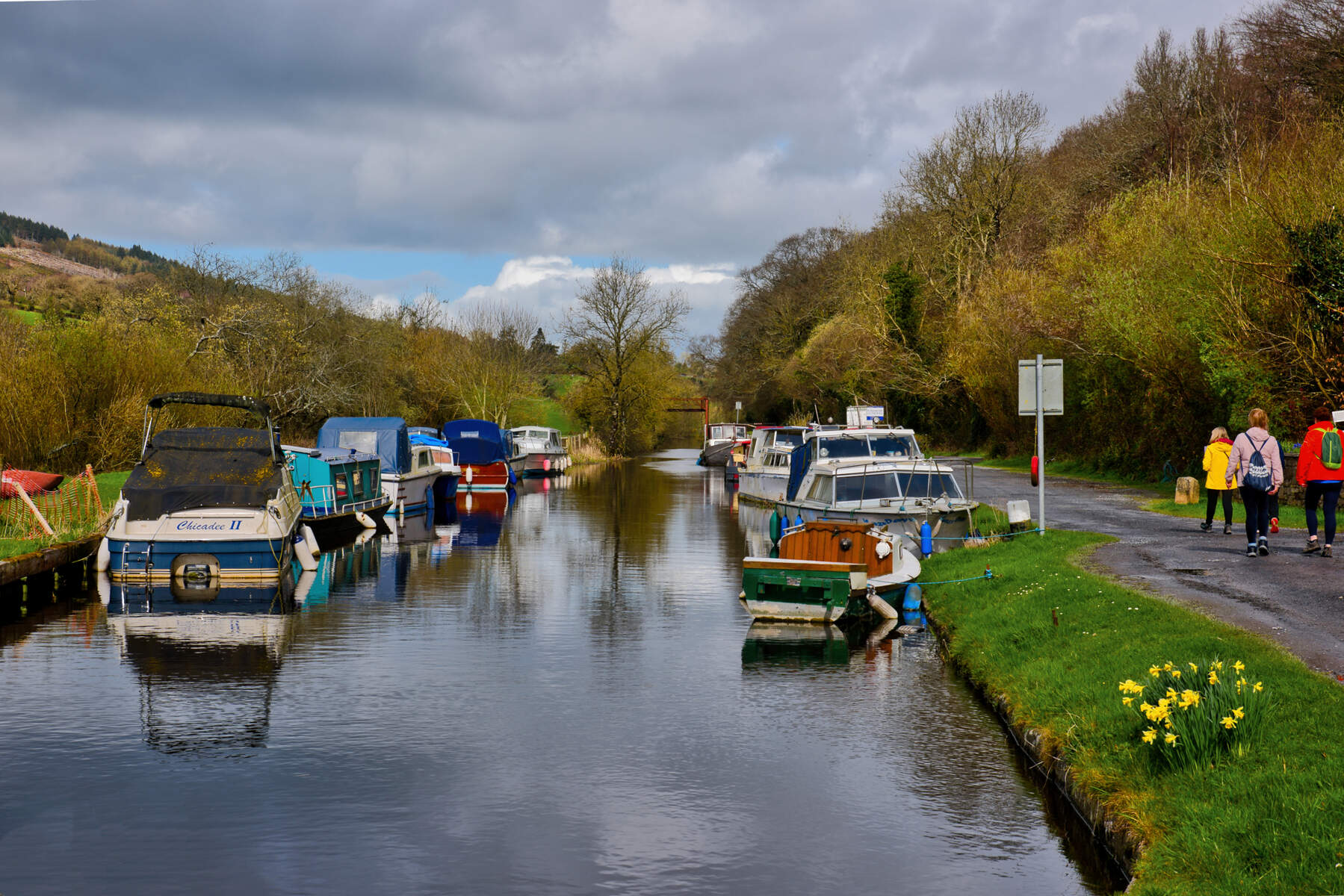
The Barrow Way is a 120‑km National Waymarked Trail that follows the river’s towpath from St Mullin’s to the Grand Canal at Lowtown. Walkers encounter Victorian lock houses, remnants of old mills and sweeping river vistas. The trail is largely flat and traffic‑free, making it suitable for families and casual hikers.
Fishing
The River Nore, especially the stretch owned by the Mount Juliet estate, is renowned for salmon and trout. Twelve named pools are available for catch‑and‑release fishing from March to September; licences are obtained directly from the estate.
Private Cruises & Wildlife Watching
For a relaxed perspective, book a private cruise with Boattrips.ie. Guides point out mute swans, otters and the occasional puffin that frequents the estuary in winter. The cruise can be tailored to two‑hour or full‑day durations.
Nearby Attractions & Accommodation
- Kilmokea Country Manor (Wexford) – Georgian manor on the Barrow’s banks with award‑winning dining and bird‑watching opportunities.
- The Woodford Dolmen Hotel (Carlow) – wheelchair‑accessible rooms, riverside bar and easy access to the Barrow Way.
- The Lord Bagenal Inn (Leighlinbridge) – family‑run 4‑star inn ideal for exploring the Ancient East.
- Brenda’s B&B (Borris) – cosy Georgian guesthouse close to canoe launch sites.
| Activity | Nearest Access Point | Typical Cost |
|---|---|---|
| Guided canoe (2‑hr) | Clashganny Lock, Carlow | €45 per person |
| Private river cruise (2‑hr) | St Mullin’s harbour | €70 per boat |
| Barrow Way day‑walk (section) | Various trailheads | Free |
| Lock‑fill experience (self‑guided) | Clashganny Lock | Free (no ticket) |
Cultural Highlights
The rivers have inspired poets for centuries. An excerpt from Edmund Spencer’s 16th‑century poem celebrates the three waters as “the goodly Barow… great heaps of Salmons in his deepe bosome”. Towns such as Graiguenamanagh, Inistioge, Bennettsbridge and New Ross retain medieval stone bridges and castle ruins that echo the rivers’ historic role as trade routes and defensive frontiers.
Tipperary Highlights Along the Three Sisters
County Tipperary is intersected by the Suir, offering several historic sites that complement a river‑focused itinerary:
- Cahir Castle – A striking 13th‑century fortress perched on a bend of the Suir, with guided tours and panoramic river views.
- Cahir town – A charming market town with riverside walks, craft shops and the historic Cahir Bridge.
- Devil’s Bit – The mountain that gives rise to the Nore; popular for hiking and offering vistas over the river valleys.
- Clashawley River – A tributary of the Suir, ideal for quiet fishing spots and scenic picnics.
These sites can be combined with a Barrow Way walk or a canoe trip for a full‑day adventure that showcases both natural beauty and medieval heritage.
Practical Information
The Barrow’s towpath stretches 113 km from Robertstown (Kildare) to St Mullin’s (Carlow), providing a mostly flat, traffic‑free route for walkers and cyclists. Most locks operate year‑round, but seasonal maintenance can affect opening times; always check the latest schedule on the IWAI – Barrow Navigation site before planning a boat trip.
Parking is free at most public launch sites and trailheads. Several larger car parks, including those at The Woodford Dolmen Hotel and St Mullin’s harbour, offer wheelchair‑accessible spaces. Guided canoe trips centred around Carlow often require advance booking during the summer months, especially for the popular lock‑fill experience.
Getting There
The river corridor is easily accessed via the M9 motorway (Athy–Carlow) and the N80 (Carlow–New Ross). Regular Bus Éireann services connect Carlow town and New Ross, and local taxis are available for short trips to launch points.
Seasonal Highlights
- Spring – Wildflowers line the towpath; the Barrow’s flow is gentle, perfect for leisurely paddles.
- Summer – Peak canoeing season; lock‑fill events are most frequent.
- Autumn – Golden foliage creates spectacular riverbank scenery, ideal for photography.
- Winter – Stronger flows attract experienced kayakers; walkers enjoy quiet solitude.
The Three Sisters offer a rare combination of natural beauty, historic intrigue and active adventure. Whether you drift past Victorian lock houses, trek the Barrow Way, or paddle through a lock‑filled channel, the rivers invite you to discover Ireland’s Ancient East from a uniquely immersive perspective.
Website: Visit Kilkenny – Three Sisters